HUB 05
Car Wax & Sealants
Carnauba glow, synthetic durability, or a ceramic spray in between — here's how the three actually differ, and how often you'll really be reapplying each one.
We earn a commission when you buy through our Amazon links, at no extra cost to you. It never affects our rankings, and we say so when the cheaper product is the better buy. How this works.
“Wax” is the catch-all word, but three genuinely different products live under this hub, and picking the right one comes down to one honest trade-off: how much glow do you want, and how many Saturdays are you willing to spend chasing it. Traditional carnauba wax gives the warmest, deepest look of the three and fades the fastest. Synthetic paint sealant trades a little of that warmth for a noticeably longer service life. A ceramic spray sits in between wax and a full ceramic coating — a thin SiO2 or graphene topper that adds beading a wax alone can’t match, without the multi-year commitment a real coating asks for.
Carnauba, synthetic, or a ceramic spray?
Carnauba wax is a natural palm-leaf wax, almost always blended with oils and a little synthetic polymer to make it workable, and it’s what gives paint the classic warm, syrupy depth people mean when they say a car “looks wet.” The trade-off is durability: a heavy-carnauba wax starts losing its beading in a matter of weeks, especially with regular washing, sun and rain. Synthetic paint sealant swaps most or all of that carnauba for cross-linking polymers instead. The look is crisper and a shade cooler, but the film bonds harder to the clear coat and survives months rather than weeks — often an entire season without a top-up. A ceramic spray is a different chemistry again: a thin SiO2 or graphene layer wiped on and buffed off in minutes, with no cure time and none of a full coating’s fumes or prep. It beads more aggressively than either wax or sealant and typically holds up for a few months, which is why we treat it as a maintenance layer between full applications rather than a replacement for either. See the full breakdown, cost math included, in car wax vs. sealant vs. coating.
Paste or liquid — does the format matter?
Application format is mostly a matter of taste, not protection. Paste wax, almost always a carnauba, goes on with more resistance and takes a bit more arm effort to spread and buff, but it’s the format most enthusiasts associate with a proper wax day — a thin coat, a short flash time, and a satisfying final buff. Liquid wax and liquid sealant spread thinner and faster, which matters most in warm weather, when a paste can flash before you’ve finished a single panel. Synthetic liquid sealants go a step further: several are formulated to be worked in direct sun, something no carnauba paste tolerates well. If you already own a machine polisher, a liquid also spreads more evenly under a foam applicator pad. Neither format changes what the chemistry underneath can do — pick paste for the ritual, liquid for speed. If carnauba is the look you are after, the best carnauba waxes are ranked across paste, liquid and spray on a single page.
How often should you actually wax?
Skip the “once a month” folklore and watch what the paint is doing instead: once water stops beading tightly and starts sheeting flat and slow, the layer underneath is spent. As a rough guide, expect a carnauba wax to hold that beading for six to eight weeks of regular washing, a synthetic sealant for four to six months, and a ceramic spray topper for one to three months depending on how often the car is washed. See our current wax and sealant picks across all three categories, chosen against exactly that yardstick.
The honest durability math
This is where the marketing gets slippery, so we did the arithmetic instead of repeating it. A wax cheap enough to buy on impulse — say fifteen dollars a bottle — sounds like the budget option next to a pricier synthetic sealant. But if that wax needs reapplying every six to eight weeks, you’re running the full wash-dry-apply-buff routine 6-8x/yr, against roughly 2x/yrfor a sealant applied in spring and fall. The bottle isn’t what’s expensive — your weekends are. Once you’re topping up more than once a month just to keep beading alive, that’s the signal to move up a tier rather than keep buying more wax.
The mistake that wastes a whole afternoon
The single most common way to waste a wax job: applying it straight over paint that hasn’t been washed and decontaminated first. Wax and sealant are transparent films — they lock in whatever texture is already on the clear coat, swirls, bonded grime and all, and often make light scratches more visible under the extra gloss. Worse, waxing over embedded contamination traps grit under the applicator and can add fresh marring on the way in. The fix is always the same order: wash, then clay or chemically decontaminate, then correct any swirls you can, and only then wax or seal. Start with a clay bar if it’s been more than a few months since the paint was last decontaminated — five minutes there saves the whole wax job. Once the paint is ready, pick by how long you want it to last: a synthetic paint sealant for months of protection, or a spray wax for a top-up you can finish in the time it takes to dry the car.
Match the wax to your paint and your parking
Two things narrow the field faster than any brand comparison. The first is color. Dark paint shows swirls and rewards depth, which is why the black-paint picks lean toward carnauba and cleaner waxes. Light paint hides swirls entirely but goes dull and slightly yellow instead, which is a cleaning problem rather than a correction one — see the white-paint picks. The second is where the car sleeps: a garaged car can wear whatever looks best, while a car that bakes in the sun all day needs the synthetic chemistry in the UV protection picks. If you are still deciding between the two families, carnauba vs synthetic wax settles it in one page.
Matching the product to the paint in front of you
The right wax depends less on the brand than on what the paint needs. Flawless factory paint wants pure protection and nothing abrasive at all — see best car wax for new cars. Tired, dull paint that has never been polished wants the opposite: a one-step that cleans as it protects, which is what best car wax and polish ranks. And if the difference between those two products is not obvious, car wax vs polish is the page that settles it in one line: polish removes, wax adds.
Two situations that change the answer entirely
The first is winter. Road salt and the liquid brines that have largely replaced it are the most aggressive thing your paint meets all year, and they arrive exactly when application conditions are at their worst — so durability and grime release matter far more than gloss for those months. Best car wax for winter ranks the field on that basis, and its most useful advice is about timing: apply in autumn, while it is still warm enough for a wax to bond.
The second is fresh paint. A brand-new car from a dealer can be waxed the day you collect it, because factory paint is oven-cured before delivery. A panel that has just come out of a body shop is a completely different case — it is still outgassing solvent, and sealing that in early can haze or soften the finish. How long to wait before waxing new paint explains which situation you are in and what to do during the wait.
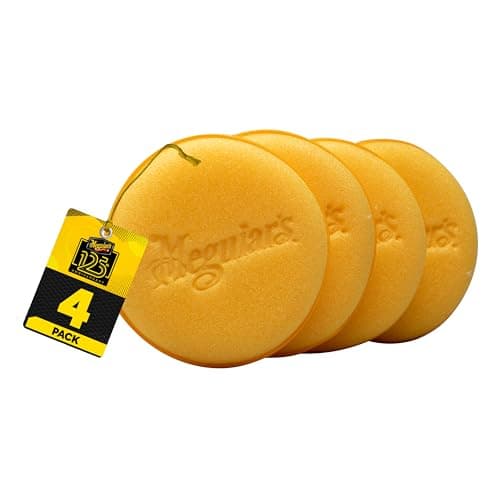
One unglamorous purchase decides how evenly any of this goes on. A wax can only be as thin and as uniform as the thing spreading it, and a folded towel puts down several times what a panel needs — the wax applicator pad picks rank the foam rounds, the thicker hand pads and the towel that takes the wax back off.
Start here
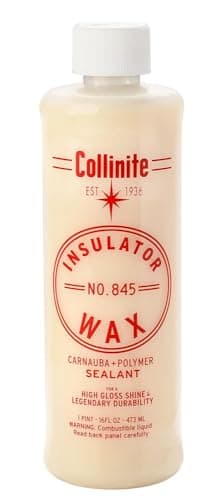
The Best Car Wax, Picked by Durability and Look
Six carnauba waxes, a synthetic sealant and a spray top-up, picked for real durability and honest cost per year.
Read it →
Everything in this hub
All car wax & sealants
Roundup
The Best Car Wax, Picked by Durability and Look
Six carnauba waxes, a synthetic sealant and a spray top-up, picked for real durability and honest cost per year.
Top pick: Collinite 845 Insulator Wax
#ad · price as of October 20, 2026 · 6 products · 6 priced
Roundup
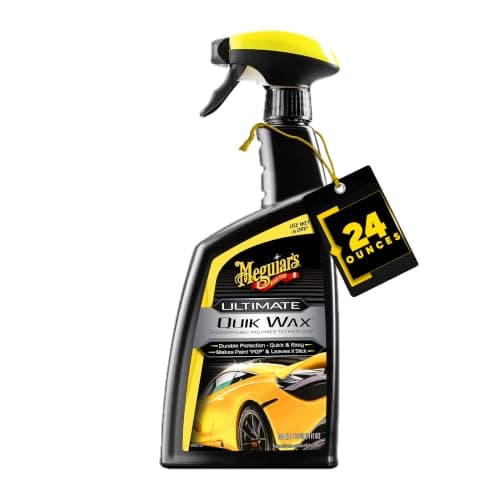
Best Spray Wax
Five spray waxes compared on durability, gloss and streak resistance — the fastest protection in car care.
Top pick: Meguiar's Ultimate Quik Wax
#ad · price as of October 20, 2026 · 5 products · 5 priced
Roundup
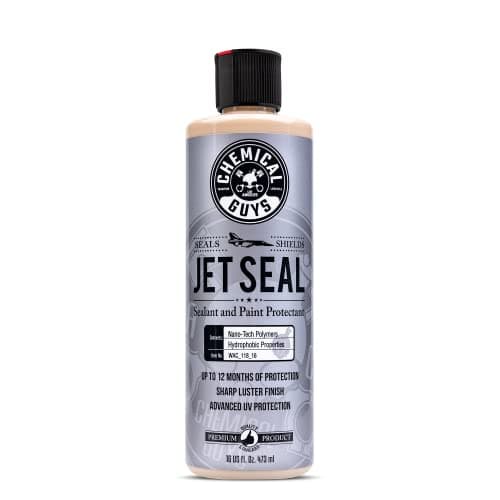
Best Paint Sealant
Five synthetic paint sealants compared on durability, appearance and application effort — the middle ground between wax and coating.
Top pick: Chemical Guys JetSeal Anti-Corrosion Paint Sealant
#ad · price as of October 20, 2026 · 5 products · 5 priced
Roundup
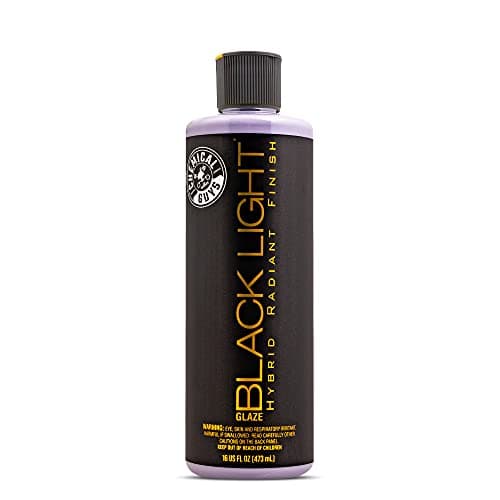
Best Car Wax for Black Cars
Five waxes and glazes for dark paint, ranked on depth and darkening rather than durability alone.
Top pick: Chemical Guys Black Light Hybrid Glaze & Sealant
#ad · price as of October 20, 2026 · 5 products · 5 priced
Roundup
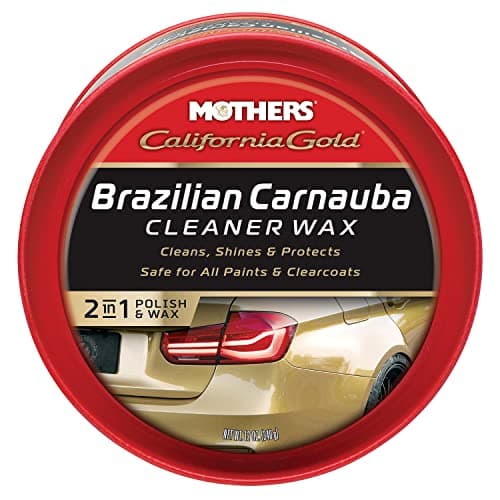
Best Car Wax for White Cars
Five waxes for white and light paint, ranked on cleaning ability and stain resistance rather than depth.
Top pick: Mothers California Gold Brazilian Carnauba Cleaner Wax
#ad · price as of October 20, 2026 · 5 products · 5 priced
Roundup
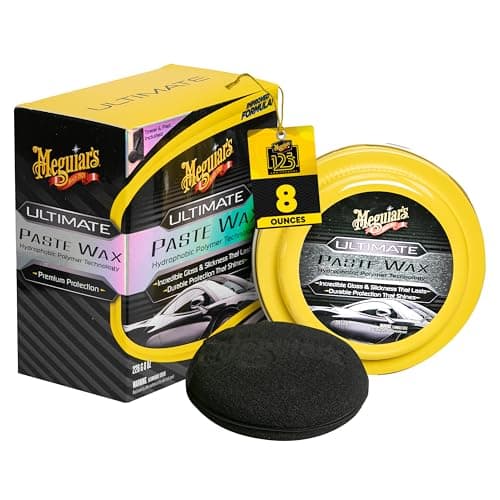
Best Car Wax for UV Protection
Five waxes and sealants for cars that live in the sun, ranked on durability and heat resistance over look.
Top pick: Meguiar's Ultimate Paste Wax
#ad · price as of October 20, 2026 · 5 products · 5 priced
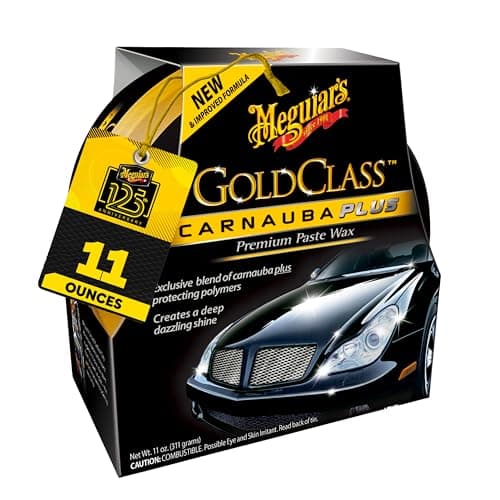
Head to head
Carnauba vs Synthetic Wax
Look, durability, heat tolerance and cost per year compared — plus the layering approach that gets both.
Top pick: Meguiar's Gold Class Carnauba Plus Paste Wax
#ad · price as of October 20, 2026 · 4 products · 4 priced
Review
Collinite 845 Insulator Wax Review
Why an industrial insulator wax beats most car waxes on durability, and the application quirks you have to accept.
Top pick: Collinite 845 Insulator Wax
#ad · price as of October 20, 2026 · 3 products · 3 priced
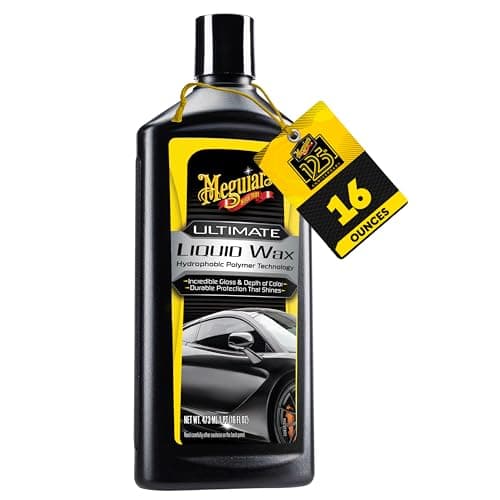
Roundup
Best Car Wax for New Cars
Five pure protection products with no cleaners or abrasives, ranked for fresh factory paint — plus when a new car should skip wax entirely.
Top pick: Meguiar's Ultimate Liquid Wax
#ad · price as of October 20, 2026 · 5 products · 5 priced
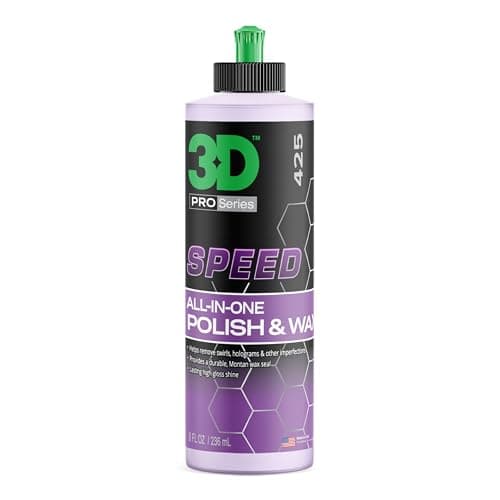
Roundup
Best Car Wax and Polish in One
Four one-step cleaner waxes and all-in-ones ranked on real cleaning ability, gloss and durability — and the honest limit of what one pass can do.
Top pick: 3D Speed All-In-One Polish & Wax (8 oz)
#ad · price as of October 20, 2026 · 4 products · 4 priced
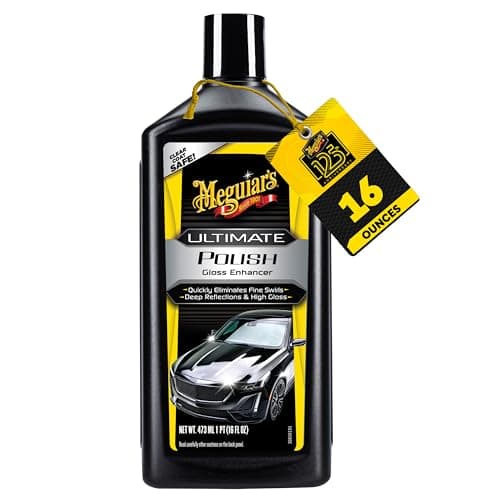
Head to head
Car Wax vs Polish
The one-line difference, the order they go in, and how to tell from the paint which one your car actually needs.
Top pick: Meguiar's Ultimate Polish
#ad · price as of October 20, 2026 · 3 products · 3 priced

Roundup
Best Carnauba Wax
Six carnauba waxes — paste, liquid, cleaner and spray — ranked on warmth, honest durability and buff-off effort. The carnauba side of the wax aisle, on its own.
Top pick: Collinite 476S Super Doublecoat Auto Wax
#ad · price as of October 20, 2026 · 6 products · 6 priced
Roundup
Best Car Wax for Winter
Ranked on durability through a salt season and on how workable each product is in a cold garage — from the carnauba-polymer hybrids that survive months to the sprays that top them up.
Top pick: Collinite 845 Insulator Wax
#ad · price as of October 20, 2026 · 6 products · 6 priced
Buyer's guide
How Long to Wait Before Waxing New Paint
Factory paint is fully cured before the car leaves the plant and can be waxed on day one. A body-shop repaint needs 30 to 90 days to outgas first — here is why, and how to protect it meanwhile.
Top pick: Meguiar's Gold Class Carnauba Plus Paste Wax
#ad · price as of October 20, 2026 · 4 products · 4 priced
Roundup
Best Wax Applicator Pads
Foam applicator rounds, thick hand pads and the towel that takes the wax back off — ranked for even application across a whole car.
Top pick: Meguiar's 4" Foam Applicator Pads (4 Pack)
#ad · price as of October 20, 2026 · 4 products · 4 priced
Roundup
Best Car Wax for Red Cars
Ranked for red paint on the thing that actually kills it — UV reaching the pigment. A durable paste carnauba leads, with a show wax for depth, a synthetic for screening power and a spray for upkeep.
Top pick: Collinite 476S Super Doublecoat Auto Wax
#ad · price as of October 20, 2026 · 6 products · 6 priced
Head to head
Collinite 845 vs 476S
Buy the 845 liquid unless you specifically want Collinite's longest-lasting product and will accept a hard paste that fights you on the wipe-off.
Top pick: Collinite 845 Insulator Wax
#ad · price as of October 20, 2026 · 4 products · 4 priced
Buyer's guide
Do You Wax After Polishing?
Polishing leaves bare clear coat with no protection at all. What to put down afterwards, how soon, and when a sealant or coating beats wax.
Top pick: Collinite 845 Insulator Wax
#ad · price as of October 20, 2026 · 4 products · 4 priced
Buyer's guide
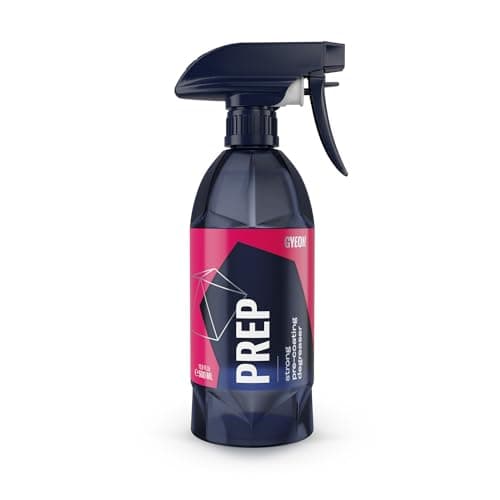
How to Remove Wax From Car Paint
The four-rung ladder for stripping old wax - soap, panel wipe, clay, polish - plus the fix for dried wax in textured plastic trim.
Top pick: GYEON Prep Paint Cleaner & Degreaser
#ad · price as of October 20, 2026 · 4 products · 4 priced