Brand loyalty in car care is mostly a shortcut for "I do not want to research every product individually." That is a completely reasonable position — assembling a kit from seven manufacturers means seven sets of instructions and no guarantee they play well together. But the honest answer is that no single brand is best at everything, and the differences between them are real and predictable.
So this page is not a ranking of brands in the abstract. It is a ranking of what each brand is genuinely strongest at, represented by the product from that brand that has actually won a category on this site. If you want to buy one brand across the board, the top of this list is the safest choice. If you want the best kit, mix.
What separates them
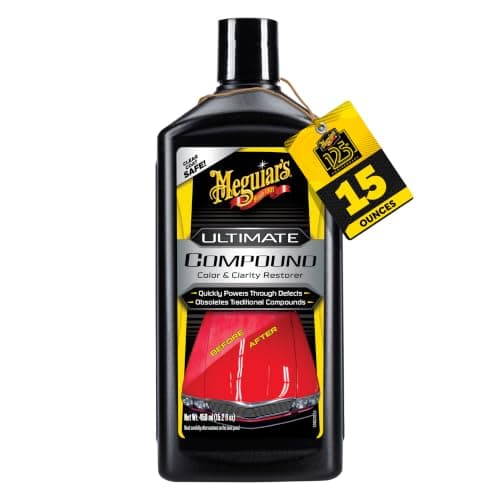
Meguiar's is the generalist, and the reason it leads here is availability plus consistency. It has a product for every step, they are all stocked in every parts store in the country, and none of them is bad. Its consumer compounds and polishes are genuinely good, its professional Mirror Glaze line is what a lot of shops run, and nothing in the range demands specialist knowledge. If you had to fit out a whole garage from one brand with no research, this is the answer.
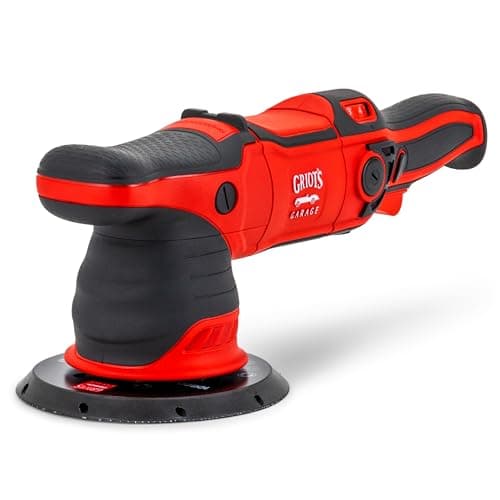
Griot's Garage is the tool brand. Its polishers are the ones most often recommended to beginners, the build quality is a step above the price, and the lifetime warranty is honored as written. Its chemicals are perfectly good; its machines are what people actually buy it for — see best car polisher for beginners.
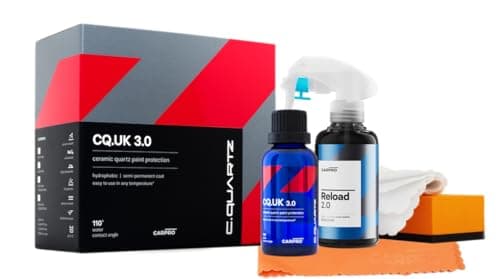
CarPro is the specialist. Its coatings and its iron remover are reference products in their categories, and the formulations assume you know what you are doing. Less forgiving, more capable, and not where a beginner should start — but the brand that turns up most often in professional detailers' own kit.
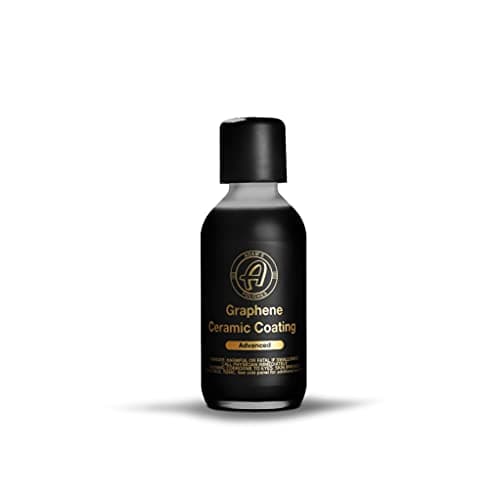
Adam's Polishes sits between CarPro and Meguiar's: enthusiast products with genuinely good chemistry, sold with beginner-survivable application windows and unusually good documentation. Its graphene coating is the one we would hand a first-time coater. The tighter comparison is in Griot's vs Adam's.
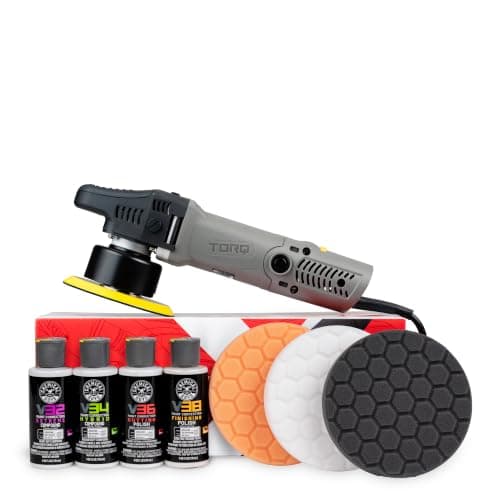
Chemical Guys is the breadth brand — an enormous catalog, aggressive marketing, a huge tutorial library, and a habit of selling complete kits that take the decision-making away. Quality across that catalog is more variable than the others here, but the beginner kits are genuinely convenient and the tutorial ecosystem has real value. See Meguiar's vs Chemical Guys.
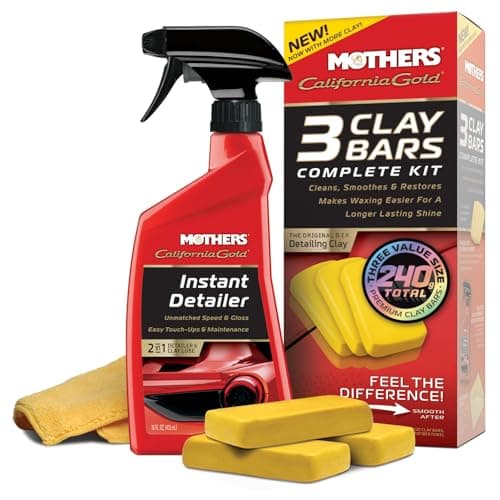
Mothers is the quiet, competent value brand. Its clay and its polishes punch above their price, the packaging makes no wild claims, and the products do exactly what the label says. It is under-recommended because it does not market as loudly as the others.
Turtle Wax is the supermarket brand, and it has spent the last decade getting substantially better. The Hybrid Solutions line brought real SiO2 chemistry to a price point nothing else reaches. Nothing in the range is the best in its category — but a lot of it is the best available for the money, and it is stocked everywhere.
Should you buy one brand across the board?
There is a genuine argument for it. Products from one line are designed to work in sequence, the instructions use consistent language, and you are not guessing whether a panel wipe from one manufacturer will interfere with a coating from another. For a first kit, sticking to one brand removes a whole class of uncertainty.
The argument against is simply that the differences are large. The best polisher and the best ceramic coating are not made by the same company, and buying both from whichever brand you started with costs you real performance. Our own correction kit picks mix brands for exactly that reason.
Where brand genuinely matters
- Machines. Motor quality, bearing life and warranty support vary enormously, and a polisher is the one purchase here you keep for a decade.
- Ceramic coatings. The chemistry and the application window differ substantially, and a coating is semi-permanent. This is not the category to experiment in.
- Pads. Foam density, construction and the foam-to-backing bond separate pads that last a season from pads that delaminate — see best polishing pads for a DA.
Where it matters much less
- Car shampoo. Any pH-neutral shampoo from a reputable brand washes a car properly. Technique dominates.
- Detail spray. Lubricity varies a little; the gap between the best and the merely fine is small.
- Microfiber towels. Construction and GSM matter more than the logo.
The general rule: spend on the things you keep and the things that are hard to undo. Save on the consumables you will replace anyway.
If you would rather ignore the brand question entirely and just be told what to order, best car detailing products picks one item per job across the whole exterior workflow — wash, decontamination, correction, protection and inspection — without caring which house it came from.
How to pick a brand
Start from the step, not the logo
Decide what job you are buying for — correction, protection, decontamination, tools — and then pick the brand that is strong there. Every category page on this site ranks across brands for exactly this reason.
Availability is a real feature
Running out of compound halfway through a bonnet is genuinely disruptive. Brands stocked in every parts store have a practical advantage that does not show up on a spec sheet.
Match the brand to your experience
- First kit — a generalist brand with wide availability and forgiving products.
- Confident, first coating — an enthusiast brand with a generous application window and good documentation.
- Experienced, chasing the best result — the specialists, and accept they are less forgiving.
- Tight budget — the supermarket brand's better lines genuinely outperform their price.
Ignore the marketing entirely
Every brand in this category makes claims that would be difficult to defend. Buy on published specification, on what the product is chemically, and on what it costs per use — which is how every ranking on this site is built. Our method is on how we research.