A car wash removes what is loose. Dust, road film, bird droppings, salt, the general layer of grime a car accumulates by existing outdoors. It is maintenance, it should happen every week or two, and a good one does its job in twenty minutes.
Detailing is a different activity that happens to start with a wash. It removes what has bonded to the paint — embedded iron particles, tar, industrial fallout, tree sap — and then addresses the condition of the paint itself: the swirls, the oxidation, the dullness. Then it protects the result. It is restoration and protection rather than cleaning, and it happens once or twice a year at most.
The clearest way to see the difference: a perfectly washed car with swirled, oxidized paint still looks tired. Washing cannot fix that, no matter how many times you do it, because the problem is not dirt.
The comparison
| | Car wash | Detailing |
|---|
| Removes | Loose dirt and road film | Bonded contamination, then paint defects |
| Fixes dull or swirled paint | No | Yes |
| Leaves protection behind | Only if a wash-and-wax product was used | Yes — wax, sealant or coating |
| Time | Twenty minutes to an hour | Half a day to a full weekend |
| How often | Every one to two weeks | Once or twice a year |
| Main risk | Installing swirl marks | Removing more clear coat than needed |
The four steps that turn a wash into a detail
If you already wash your car properly, detailing adds four things on top. This site is built around exactly these four.
- Chemical decontamination. An iron remover dissolves the ferrous particles from brake dust and rail dust that embed themselves in clear coat and washing cannot touch. Spray it on, watch it bleed purple as it reacts, rinse. See best iron remover for a car.
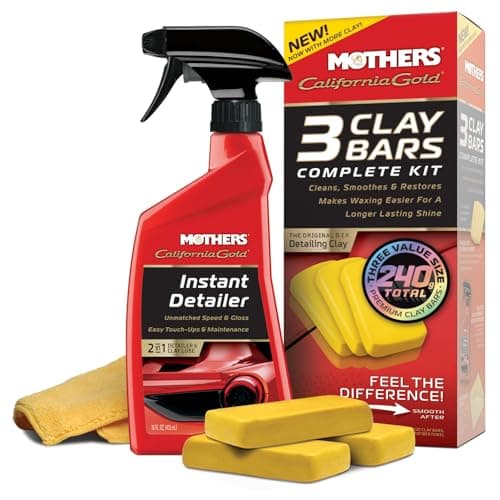
- Mechanical decontamination. A clay bar or mitt shears off the tar, sap and industrial fallout still bonded to the surface. The test is the plastic bag test — glassy is clean, gritty is not. See best clay bar for a car.
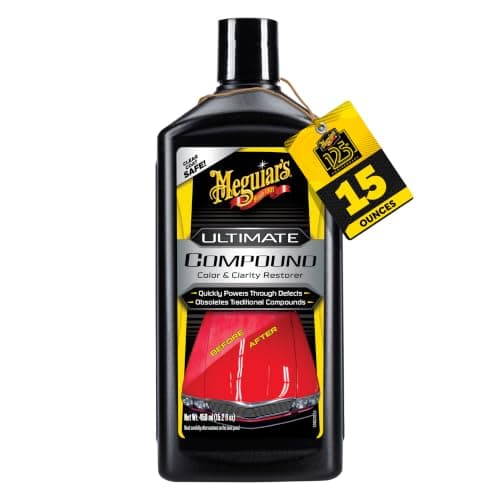
- Paint correction. Machine polishing to remove the swirls and oxidation that decontamination reveals. This is the step that actually changes how the car looks, and the one that takes the time. See paint correction for beginners.
- Protection. A wax, sealant or ceramic coating over the corrected paint. Freshly polished clear coat is bare, and leaving it bare wastes the work. See car wax vs sealant vs coating.
Where the terminology gets loose
"Detailing" is used commercially to mean anything from a thorough wash and vacuum to a multi-day paint restoration, and the price range reflects that. If you are buying the service, ask specifically whether paint correction is included and how many stages — that is the difference between a very good clean and a genuine detail.
Two other terms worth pinning down. A wash and wax is a wash with a spray protectant applied at the end; the protection is real but thin, and no decontamination or correction happened. Full detail normally implies interior work as well as exterior. This site covers exterior paint work specifically — the correction and protection half — which is where almost all of the visual difference lives.
Do it yourself or pay someone
The washing side is straightforward to do well at home and the equipment is cheap. The correction side is where the decision sits, because it needs a machine, pads, compound and a few hours you have not spent on it before.
The arithmetic tends to favor DIY if you plan to keep the car, because the tools are a one-time cost amortized across every future job, and because you will wash it far more carefully afterwards than any volume operation will. It favors paying a professional if the paint is genuinely bad and needs multi-stage correction, or if you would rather spend the money than the weekend. The numbers are worked through in DIY detailing cost vs a shop.
What matters more than either
How you wash. Detailing removes swirls; washing is what puts them there. A car that gets a full detail once a year and goes through a brush wash every fortnight will look worse than a car that is never detailed but is always washed with two buckets and a proper mitt.
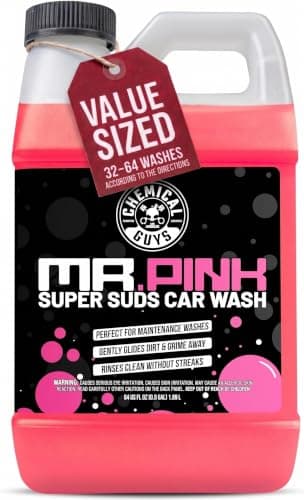
That is the least glamorous conclusion available and it is the one that actually determines how a car looks at five years old. The method is in best car wash soap for detailing, and the habit is worth more than any product on this site.