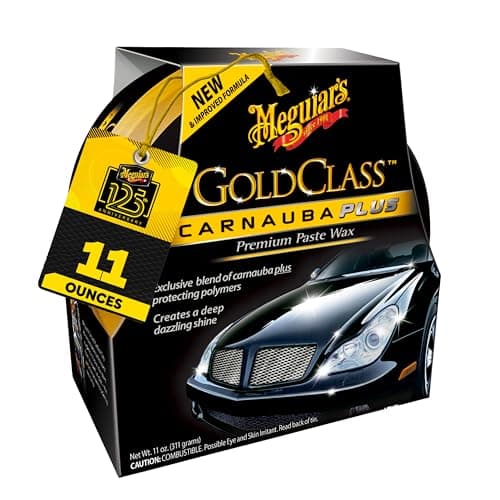
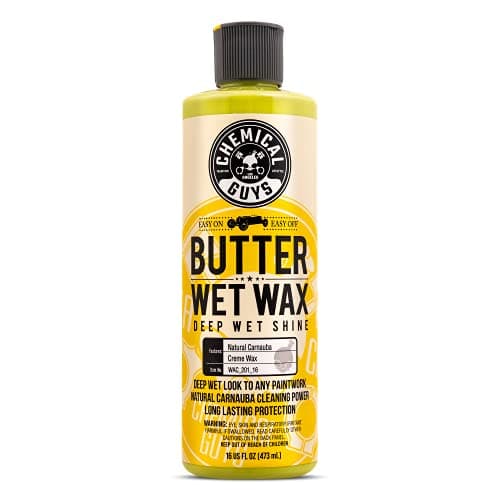
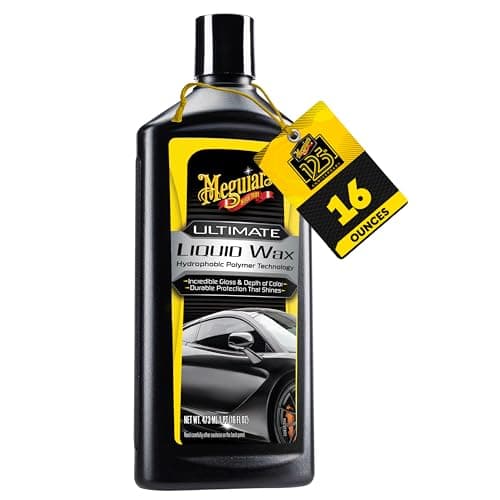
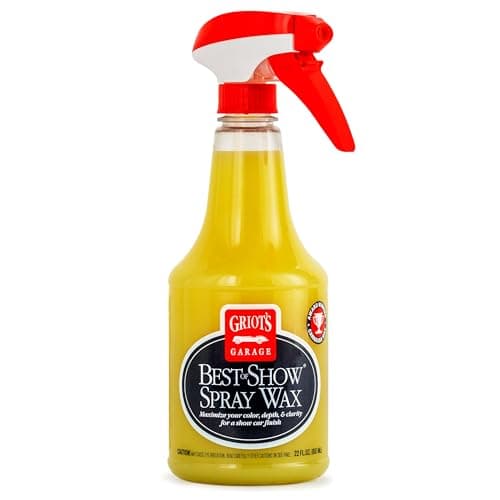
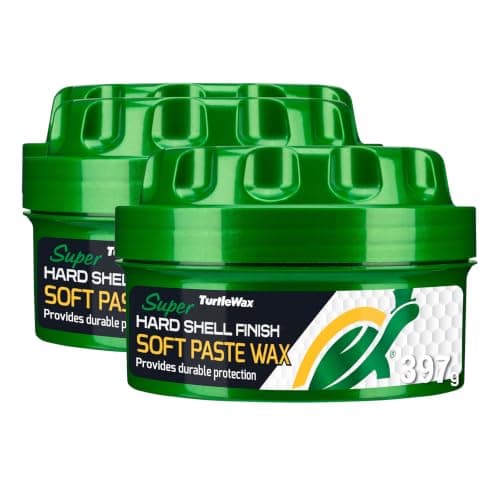
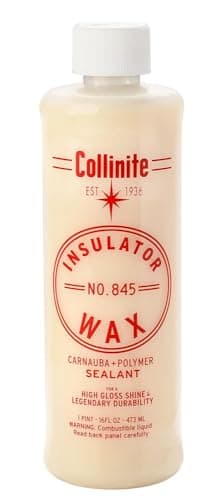
These six picks span the category on purpose: a durability king, the classic warm-glow paste, the easiest liquid carnauba to apply, a synthetic that behaves like a sealant, a fast spray top-up, and the cheapest real paste protection you can buy. None of them is the “best” for every car — each is the best answer to a different question, and the six together cover paste and liquid, carnauba and synthetic, and a full range of budgets. If you have just polished the car, the timing and the wipe-down step in between both matter — see do you wax after polishing.
They’re ranked by all-around durability against effort, not by price. If your priority is installing something once and forgetting it for months, look at the sealant-leaning picks; if you want the classic warm carnauba look and don’t mind reapplying more often, the paste picks deliver more of that glow per coat. For the full three-way case for wax versus a synthetic sealant versus stepping up to a coating, read car wax vs. sealant vs. coating.
Paste or liquid is mostly a question of how much time you want to spend on a given Saturday. If you’d rather spread and buff quickly and move on, lean toward the liquid picks; if the ritual of a proper paste application is half the appeal, the paste entries here still buff off easier than most classic carnaubas.
Wax only protects and shines what’s already underneath it. If the paint hasn’t been washed and clayed recently, do that first — see our clay bar picks — or you’re just waxing over swirls and bonded contamination.
And if durability above all else is the priority, even more than a sealant, a ceramic coating outlasts every wax on this list by a wide margin. See ceramic coating vs. wax before you commit to a wax routine you’ll be repeating all summer.
How to choose a car wax or sealant
Carnauba content vs. synthetic polymer
Almost no bottle on the shelf is pure carnauba — most blend real carnauba with oils and at least some synthetic polymer to make it easier to apply and remove. The higher the carnauba share, generally the warmer the look and the shorter the life; the more synthetic polymer, the crisper the look and the longer it survives washing, sun and rain. Neither is objectively better — it’s a look-versus-life trade-off, and the picks above are ordered to make that trade-off obvious. Manufacturer listings rarely spell out the exact ratio, so treat “carnauba” on the front label and “polymer sealant” or “paint protection” on the back as the more honest signal of which side of that trade-off a given bottle leans toward. If you have already decided on the carnauba side, best carnauba wax ranks it on its own.
The cost math beats the marketing
Say a wax and a sealant cost about the same per bottle. If the wax needs reapplying every six to eight weeks and the sealant only twice a year, the sealant works out to a fraction of the applications — 2x/yr against 6-8x/yr— for close to the same shelf price. The wax isn’t a worse product; it’s just asking for a lot more Saturdays to hold the same line of protection. Run the full breakdown in car wax vs. sealant vs. coating.
The mistake that undoes the whole job
Applying wax or sealant over paint that hasn’t been washed and decontaminated first. Both are clear films that lock in whatever’s already there — swirls, bonded grime, hazing — and can trap grit that scratches the paint on the way in. A wax applied over dirty or swirled paint can look glossy in the driveway and still be sealing in defects you’ll only notice in direct sun a week later. Wash and clay first (see our clay bar picks), then wax.
When to stop waxing and step up instead
If you find yourself reapplying more than once a month just to keep beading alive, that’s the signal to move to a synthetic sealant or, for the longest-lived option, a full ceramic coating — see ceramic coating vs. wax.