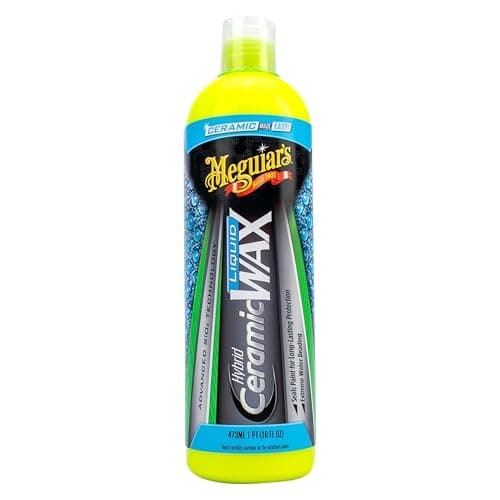
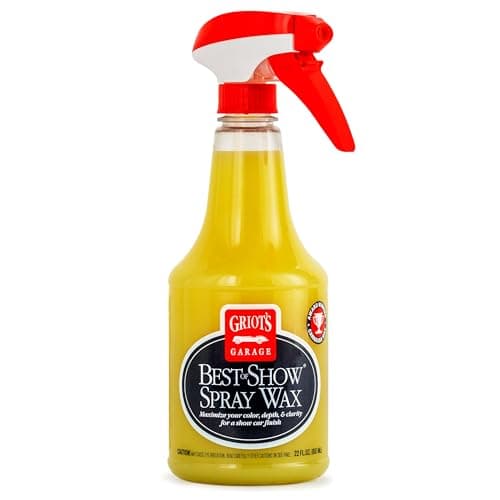
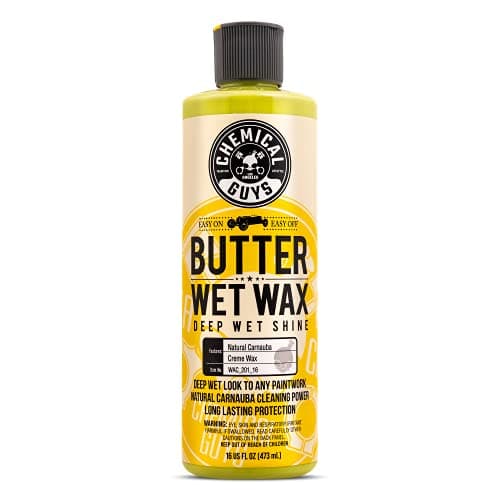
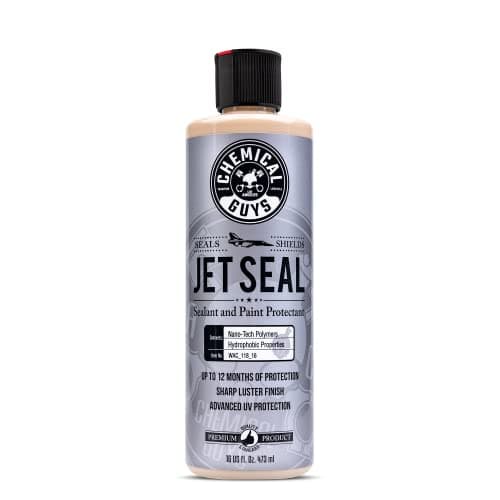
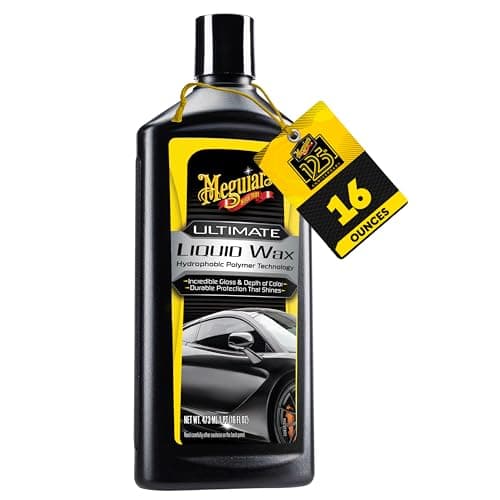
A new car is the only time in its life when the paint needs nothing removed. There are no swirls to correct, no oxidation to clean off, no embedded contamination to pull out. That changes what you should buy, because a large share of the wax aisle is made up of cleaner waxes — products with mild abrasives or chemical cleaners built in, designed to improve neglected paint before protecting it.
On a new car, those cleaners have nothing to do except very slightly abrade perfectly good clear coat. It is not a disaster and nobody has ever ruined a car this way, but it is entirely pointless, and the alternative — a pure, non-cleaning wax or sealant — is just as easy to apply and usually protects for longer.
What "new" actually means here
Two things worth clearing up before you buy anything.
Modern paint does not need to cure before waxing. The idea that fresh paint must be left to breathe for months comes from body shop work: paint applied by a shop does need weeks to fully outgas, and sealing it early can trap solvents. Factory paint is baked at high temperature on the production line and is fully cured before the car leaves the plant. A car off a dealer's lot can be protected today.
"New" does not always mean clean. Cars spend weeks on transporters, in rail yards and on dealer forecourts, and rail dust and industrial fallout embed in exactly that period. A brand-new car frequently has bonded contamination on it. Run a hand over the paint in a plastic bag — if it feels gritty rather than glassy, clay it before you protect it. See how to clay bar a car.
The dealer's own preparation is worth a skeptical look too. Machine-applied "protection packages" are frequently the source of the light swirls new-car owners find in the first week. Inspect under a strong light before you assume the paint is flawless.
Wax, sealant or coating on a new car
A carnauba wax gives the warmest, deepest look and lasts weeks to a couple of months. If you enjoy waxing, this is the enjoyable option.
A synthetic sealant lasts months rather than weeks, resists heat and detergent far better, and is what we would recommend for a car that lives outside. Most of the picks here sit in this category for exactly that reason.
A ceramic coating is the strongest argument of all on a new car, because the usual obstacle — needing to correct the paint first — does not apply. The paint is already in the condition you want locked in, which means the expensive, time-consuming part of a coating job disappears. If you are ever going to coat a car, the week you buy it is the cheapest time to do it. See best ceramic coating for cars and is ceramic coating worth it.
The full comparison of the three chemistries is in car wax vs sealant vs coating.
What to avoid on fresh paint
- Cleaner waxes and all-in-ones. Their cleaning action has no work to do, so it is pure downside. Save them for a car that needs them — best car wax and polish covers that case.
- Anything applied by machine on a cutting pad. There is nothing to cut. If you use a machine at all, use a soft finishing pad and a pure protection product.
- Dealer paint protection add-ons. Frequently a spray sealant applied in minutes and sold at a very high margin. Whatever they used, you can apply something better yourself in an afternoon.
- Automatic washes, from day one. The overwhelming majority of swirls on a two-year-old car were installed by brushes. Start the two-bucket habit immediately and the paint stays new-looking for years.
The routine that keeps it looking new
Protection is the easy part. What actually determines whether a car still looks new in three years is washing technique: a proper rinse before anything touches the paint, a pH-neutral shampoo, two buckets with grit guards, straight-line passes, and a plush drying towel or a blower. Every one of those steps exists to avoid putting in the fine scratches that a wax then has to hide.
Get that right and the wax choice becomes a matter of preference. Get it wrong and no product on this page will save you — you will be reading how to remove swirl marks within eighteen months. The full routine, step by step, is in how to wash a car without scratching it.
One clarification, because it is the most common confusion in this topic: everything above assumes a new car from a dealer, where the factory paint was oven-cured before the vehicle was delivered and can be waxed on day one. If your "new paint" came from a body shop instead, do not wax it yet — how long to wait before waxing new paint explains the outgassing window and what is safe to do during it.
How to choose protection for a new car
Read the label for the word "cleaner"
If a product describes itself as a cleaner wax, all-in-one, or as removing light oxidation and swirls, it contains abrasives or chemical cleaners. That is a virtue on neglected paint and a pointless liability on new paint. Look for products that describe themselves purely as protection.
Match durability to where the car lives
- Garaged, driven occasionally — a carnauba wax is a genuinely reasonable choice, and the finish is the nicest of the three.
- Outside, daily driven — a synthetic sealant or a hybrid ceramic liquid. Months of protection, far better heat and detergent resistance.
- Outside, and you would rather not think about it — a ceramic coating, applied now while no correction is needed.
Check the paint before you protect it
Bag test for bonded contamination, and inspect under a strong light for dealer-installed swirls. Protecting over either seals the problem in. Five minutes of checking is worth it — a swirl-finder light makes it a much more useful five minutes.
Do not over-apply
Thin, even coats. A thick layer of wax does not protect more; it just takes longer to remove and is more likely to streak. This applies to every product on this page.
Then leave it alone
A new car needs protection every few months and correction never. The most common way to damage new paint is enthusiasm — polishing a car that has nothing wrong with it spends clear coat for no benefit. Wash it well, protect it a few times a year, and let it be.