HUB 04
Ceramic Coatings
What a coating actually is, how it differs from a spray or a wax, and the prep and cost math that decide whether it's worth doing.
We earn a commission when you buy through our Amazon links, at no extra cost to you. It never affects our rankings, and we say so when the cheaper product is the better buy. How this works.
A ceramic coating is a liquid resin — built around silicon dioxide (SiO2), often blended with graphene now — that you wipe onto clear coat and let cross-link into a hard, glass-like layer bonded to the paint. That's the whole pitch: apply it once, correctly, and it doesn't wash off with the next rain the way a wax does. Manufacturers rate real coatings in years, not weeks, which is why this hub treats them as a different category from a spray or a wax rather than a fancier version of either.
Coating, spray, and wax are three different jobs
The word "ceramic" gets stretched to cover three genuinely different products, and mixing them up is the single most common way people end up disappointed.
- A ceramic coating is a semi-permanent resin that chemically bonds to clear coat and cures over 12-48+ hours. Done right, it's rated for one to several years and needs correction-level prep to look right (more on that below).
- A ceramic spray (sometimes called a "spray coating" or "quick coat") is a much thinner SiO2 or SiO2/graphene formula you wipe on and buff off in minutes, with no real cure window. It gives you a taste of coating-like beading and slickness, but manufacturers rate most sprays in months, not years.
- A wax (carnauba or a synthetic polymer sealant) is a sacrificial topcoat with no real bond to the clear coat at all. It looks warm and deep, it's the easiest of the three to apply, and it lasts weeks to a few months before it needs to go back on.
If you want the full side-by-side on durability, cost and look, that's exactly what ceramic coating vs. wax works through with a comparison table. If you're still deciding whether a coating is worth the extra step at all versus just waxing more often, start with is ceramic coating worth it.
Prep decides the result more than the bottle does
Here's the part every coating brand's marketing skips: the coating is the least important variable in how the finish turns out. What actually decides it is four steps done in order, before the coating ever touches the panel:
- Wash — a proper two-bucket wash to remove loose grit without adding new marring.
- Decontaminate — clay or an iron remover to strip bonded contamination (brake dust, rail dust, overspray) that washing alone won't touch.
- Polish — a machine correction pass to remove existing swirls and haze, because a coating does not fill or hide defects, it seals them under a hard, harder-to-remove layer.
- Panel-wipe — a solvent wipe-down to strip polishing oils so the coating bonds to bare clear coat instead of a film of glaze.
Skip any one of those and the coating still cures — it just locks in whatever was on the paint when you applied it. That's the single most common mistake in this category: coating over unprepped, swirled paint. The car beads water beautifully and the swirls are still there, now sealed under a layer that's meaningfully harder to polish out than bare clear coat was.
Realistic durability, and the actual cost math
Manufacturer durability claims for real coatings mostly land in the one-to-five-year range depending on the product tier, garage-vs-outdoor parking, and wash habits; the strongest consumer sprays claim roughly a few months to about two years; a wax realistically holds up six to ten weeks. Those are manufacturer numbers, not ours — we cite them on each product page rather than restate them here as fact.
The number that actually matters for a buying decision is cost per year, and it's simple arithmetic once you have a price and a rated life. Say a coating kit runs $60 and is rated for two years of protection: that's $30/yr in material cost, before you count the wash time you save because the surface sheds dirt instead of holding it. Compare that to keeping a car waxed on a ten-week cycle — roughly five applications a year — and even a cheap $15 wax adds up to $75/yr in product alone, on top of far more time spent applying it. The coating usually wins the cost-per-year math; what it doesn't do is forgive bad prep, which is the actual reason people come away disappointed and blame the bottle instead of the process.
Start with the picks in best ceramic coating for cars if you've decided a full coating is the right call, or the easier route in best ceramic coating spray if you want most of the beading with none of the cure-window risk. Still weighing the options? Two comparisons settle most of it: ceramic vs graphene on chemistry, and ceramic coating vs PPF on what each one actually protects against — and ceramic coating vs sealant if the real question is whether the extra effort is worth it over a bottle you already know how to use.
Two things people always ask before buying
The first is durability, and the honest answer is a range rather than a number — what actually decides it is prep, parking and wash habits, which is why how long does a ceramic coating last is its own page rather than a line in a spec table. The second is wheels. Wheels take the worst abuse on the car — brake dust bonded on by heat, and a surface nobody enjoys cleaning — and they are the single best return on a coating install, but a paint coating is not the right chemistry for a brake rotor's heat cycles. Our wheel coating picks cover the products built for that job.
Before you buy, and after it cures
Two questions come up before the coating does. What the whole job costs once prep is included is worked out in how much a ceramic coating costs, and whether you can shortcut the preparation is answered — bluntly — in can you apply ceramic coating over wax. On white and light paint the ranking changes, because staining rather than swirling is what you actually see, so best ceramic coating for white cars reorders the same field around that. Our pick for a first coating gets a full write-up in the Adam's graphene coating review. And if what you are really after is the coating a professional shop would use, the honest answer is that those are installer-only — so best professional ceramic coating you can actually buy ranks the retail siblings of those lines instead.
Once it is on, the coating's rated life assumes it is looked after — a pH-neutral shampoo, a proper two-bucket wash and an occasional topper are what separate a coating that reaches its rating from one that quietly fades in a year. How to maintain a ceramic coating is the routine, and it matters more than which bottle you bought. If what brought you here was an advert rather than a spec sheet, our Shine Armor Fortify review separates the 3-in-1 claim from the chemistry.
Getting one off again
The flip side of semi-permanent protection is that it is genuinely semi-permanent. A cured coating does not wash off, dissolve in a panel wipe or come off with clay — it is bonded to the clear coat, so removing it means polishing it off, which is a real correction with a real cost in clear coat. That matters most in two situations: a coating that has failed and needs replacing, and one that was installed with high spots or streaks that cured in place. How to remove a ceramic coating covers both, including the water test that proves the old layer is actually gone before you apply a new one.
Two questions come up more than any others once people start shopping here. The first is whether the cheap bottle does the same job as the expensive one — ceramic spray vs ceramic coating sets out exactly what the spray gives up, and what it saves you in prep. The second arrives a few months after a coating goes on: can you wax over a ceramic coating explains why a carnauba layer mutes the beading you paid for, and what to top a coating up with instead.
Graphene, and the surfaces that are not paint
Two things have changed the shape of this hub recently. The first is graphene: almost every brand now sells a graphene version of its coating or spray, usually at a premium, and the additive is real but much smaller than the marketing. The field on its own — four sprays, a wipe-on coating and one paste wax, each listed with the durability figure its maker actually publishes — is ranked in best graphene coating.
The second is that a car has more than one surface worth coating, and they want different chemistry. Wheels face brake heat and embedded iron, which is why wheel coatings are their own category. Glass faces two rubber blades under spring pressure thousands of times a year, which is why a paint coating must never go on a windshield and why windshield coatings are rated in wiper miles as well as months. Of everything in this hub, the glass is the one most people skip and the one you notice most, the first time it rains at night.
Exterior plastic is the fourth surface, and the one that dates a car fastest. Trim has no clear coat over it, so UV attacks the pigment directly until the surface goes chalky gray — which means a coating alone preserves the fade rather than fixing it. The order that works, and the three chemistries that claim to do this job, are set out in best trim restorer.
Start here
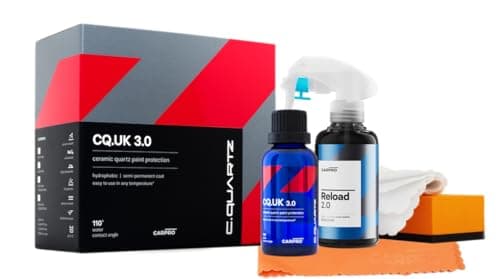
Best Ceramic Coating for Cars
Six ceramic coatings and sprays compared on durability, application risk, and cost per year of protection.
Read it →
Everything in this hub
All ceramic coatings
Roundup
Best Ceramic Coating for Cars
Six ceramic coatings and sprays compared on durability, application risk, and cost per year of protection.
Top pick: CarPro CQuartz UK 3.0 Ceramic Coating
#ad · price as of October 20, 2026 · 6 products · 6 priced
Roundup
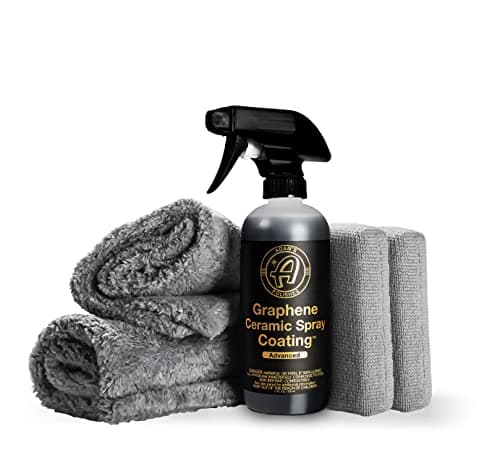
Best Ceramic Coating Spray
Six ceramic sprays compared on durability, ease of application, and cost per bottle.
Top pick: Adam's Advanced Graphene Ceramic Spray Coating
#ad · price as of October 20, 2026 · 6 products · 6 priced
Head to head
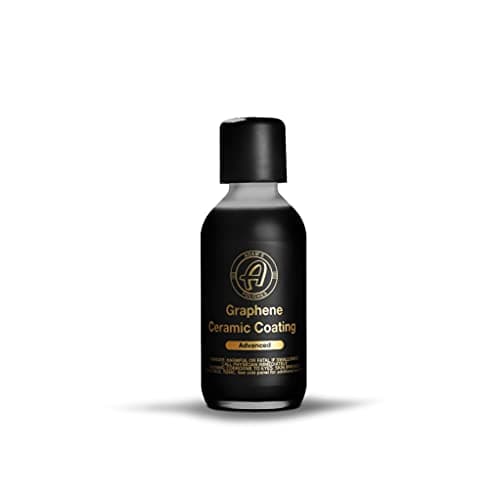
Ceramic Coating vs Graphene Coating
What graphene actually adds to an SiO2 coating, which claims hold up, and whether the price gap is worth paying.
Top pick: Adam's Advanced Graphene Ceramic Coating
#ad · price as of October 20, 2026 · 3 products · 3 priced
Roundup
Best Ceramic Coating for Black Cars
Five coatings for dark paint, ranked on gloss depth, water spot resistance and how forgiving the application is.
Top pick: Adam's Advanced Graphene Ceramic Coating
#ad · price as of October 20, 2026 · 5 products · 5 priced
Roundup
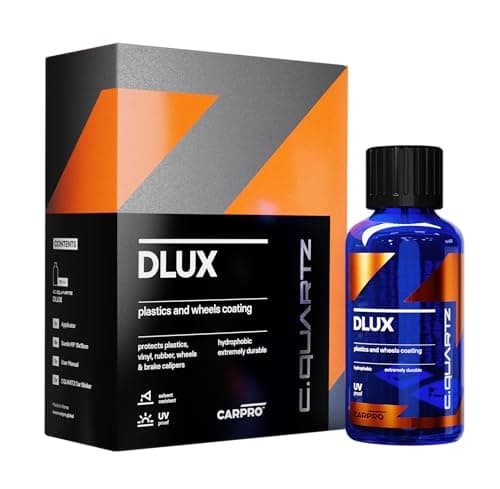
Best Ceramic Coating for Wheels
Five wheel coatings from a two-minute spray sealant to a professional-tier quartz coating, ranked on heat and prep.
Top pick: CarPro CQuartz DLUX Wheel & Trim Coating
#ad · price as of October 20, 2026 · 5 products · 5 priced
Head to head
Ceramic Coating vs Sealant
Durability, cost per year, effort and failure modes compared — plus the case for using both together.
Top pick: CarPro CQuartz UK 3.0 Ceramic Coating
#ad · price as of October 20, 2026 · 4 products · 4 priced
Review
CarPro CQuartz UK 3.0 Review
What CQuartz UK 3.0's longer working time actually buys a first-time installer, and the two alternatives worth considering.
Top pick: CarPro CQuartz UK 3.0 Ceramic Coating
#ad · price as of October 20, 2026 · 3 products · 3 priced
Review
Adam's Advanced Graphene Ceramic Coating Review
What graphene chemistry actually changes, why the wipe-off window matters more than the durability claim, and the two alternatives worth considering.
Top pick: Adam's Advanced Graphene Ceramic Coating
#ad · price as of October 20, 2026 · 3 products · 3 priced
Buyer's guide
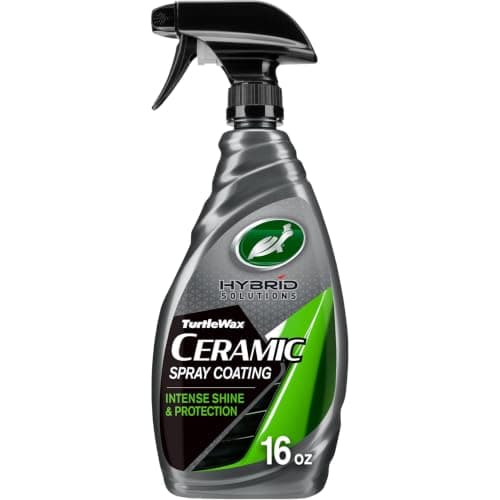
How Much Does a Ceramic Coating Cost?
The real cost of coating a car yourself once prep is included, how a professional quote is built, and the cost-per-year comparison that settles it.
Top pick: Turtle Wax Hybrid Solutions Ceramic Spray Coating
#ad · price as of October 20, 2026 · 3 products · 3 priced
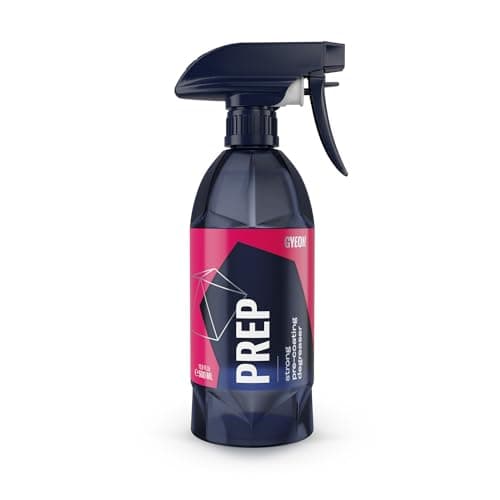
Buyer's guide
Can You Apply Ceramic Coating Over Wax?
Why a coating over wax bonds to the wrong layer, how to strip old protection properly, and the water test that proves the paint is bare.
Top pick: GYEON Prep Paint Cleaner & Degreaser
#ad · price as of October 20, 2026 · 3 products · 3 priced
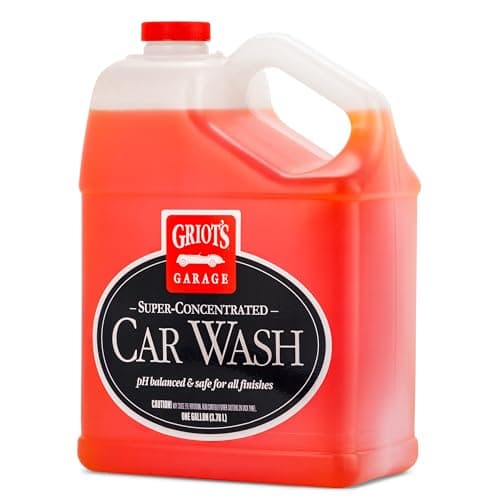
Buyer's guide
How to Maintain a Ceramic Coating
The wash routine, soap and towel choices, topping schedule and decontamination interval that decide whether a coating reaches its rating.
Top pick: Griot's Garage Super-Concentrated Car Wash (1 Gallon)
#ad · price as of October 20, 2026 · 3 products · 3 priced
Roundup
Best Ceramic Coating for White Cars
Five coatings ranked for white paint — chemical resistance, water spotting and staining rather than the gloss metrics dark paint is judged on.
Top pick: CarPro CQuartz UK 3.0 Ceramic Coating
#ad · price as of October 20, 2026 · 5 products · 5 priced
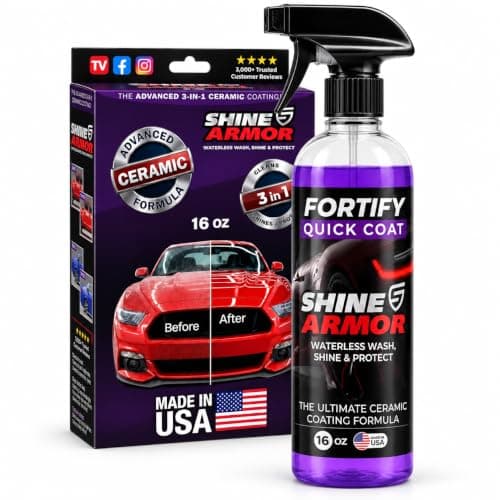
Review
Shine Armor Fortify Quick Coat Review
What the 3-in-1 claim really means, where the product genuinely performs, and the plainer SiO2 sprays that do the same job for less.
Top pick: Shine Armor Fortify Quick Coat
#ad · price as of October 20, 2026 · 3 products · 3 priced
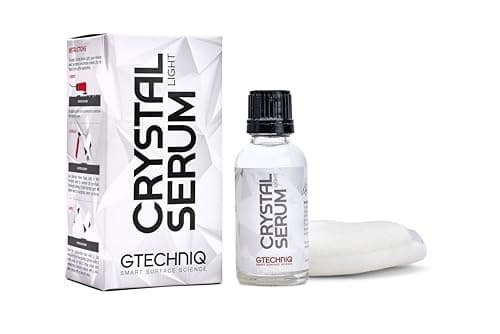
Roundup
Best Professional Ceramic Coating (That You Can Actually Buy)
Six professional-grade ceramic coatings sold retail — the over-the-counter siblings of Gtechniq, Gyeon, CarPro and Optimum's installer-only lines — ranked on rated durability, wipe-off window and cost per year.
Top pick: Gtechniq Crystal Serum Light (30 mL)
#ad · price as of October 20, 2026 · 6 products · 6 priced
Buyer's guide
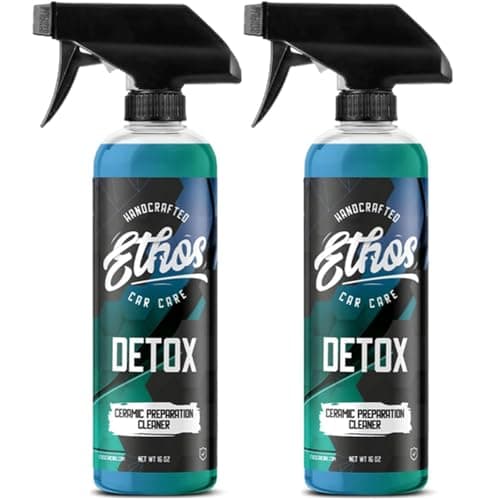
How to Remove a Ceramic Coating
Why a cured coating only comes off by abrasion, the chemical route that helps with a failing one, the polish sequence that does the work, and the wipe-down test that proves it is gone.
Top pick: Ethos DETOX Coating Prep & Panel Wipe
#ad · price as of October 20, 2026 · 4 products · 4 priced
Head to head
Ceramic Spray vs Ceramic Coating
SiO2 spray against a true cure-on-paint coating: durability, prep demands, application risk, cost per year and which one suits a given car.
Top pick: CarPro CQuartz UK 3.0 Ceramic Coating
#ad · price as of October 20, 2026 · 5 products · 5 priced
Buyer's guide
Can You Wax Over a Ceramic Coating?
Why a carnauba layer over a cured coating mutes beading rather than adding protection, what to top up with instead, and the one scenario where waxing a coated car is reasonable.
Top pick: Adam's Advanced Graphene Ceramic Spray Coating
#ad · price as of October 20, 2026 · 4 products · 4 priced
Roundup
Best Graphene Coating for Cars
Graphene coatings, sprays and one paste wax, ranked on published durability, prep demands and real cost per application — with the limits each maker does not advertise.
Top pick: Adam's Advanced Graphene Ceramic Coating
#ad · price as of October 20, 2026 · 6 products · 6 priced
Roundup
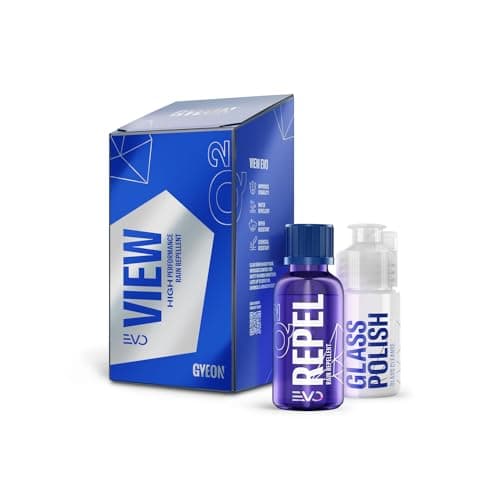
Best Windshield Coating
Ceramic glass coatings, a graphene option and the classic repellents — ranked on published durability, wiper wear and how much prep each one assumes.
Top pick: Gyeon View EVO Ceramic Windshield Coating
#ad · price as of October 20, 2026 · 6 products · 6 priced
Roundup
Best Ceramic Coating for a Daily Driver
Ranked on the things that decide whether a driveway coating actually works: cure temperature, leveling window, tolerance of imperfect prep, and whether the maintenance plan is one you will keep.
Top pick: CarPro CQuartz UK 3.0 Ceramic Coating
#ad · price as of October 20, 2026 · 6 products · 6 priced
Roundup
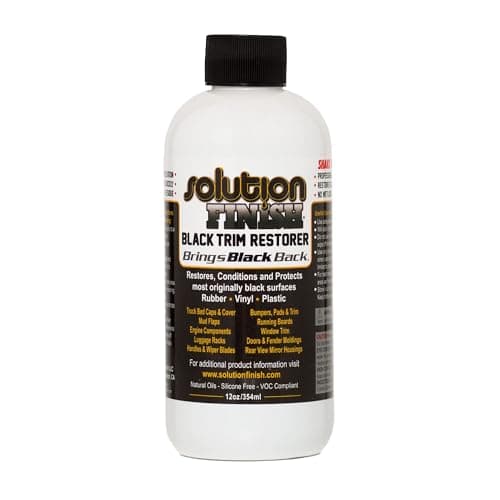
Best Trim Restorer for Faded Black Plastic
Six trim restorers ranked by chemistry — dressing, dye and bonded coating — with every durability figure attributed to the maker.
Top pick: Solution Finish Black Trim Restorer (12 fl oz)
#ad · price as of October 20, 2026 · 6 products · 6 priced