UV is the reason paint dies. Not scratches, not bird droppings, not the automatic car wash — sunlight. Ultraviolet radiation breaks down the polymer chains in a clear coat over years, and the result is the chalky, faded, oxidized surface that no amount of washing brings back. A protective layer over the top absorbs and reflects some of that energy, and it is genuinely the cheapest paint insurance available.
The catch is that the wax has to still be there. A beautiful carnauba that has evaporated off a hot hood by July protects nothing in August, which is exactly when it is needed most. So this page ranks on durability under heat, not on how a panel looks the afternoon you apply it.
Why synthetics win this specific argument
Natural carnauba wax has a melting point low enough that a dark hood on a hot day genuinely approaches it. That is not a marketing scare story — it is why carnauba durability is quoted in weeks while synthetic sealants are quoted in months, and the gap widens the hotter the climate.
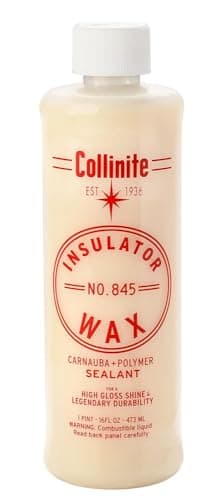
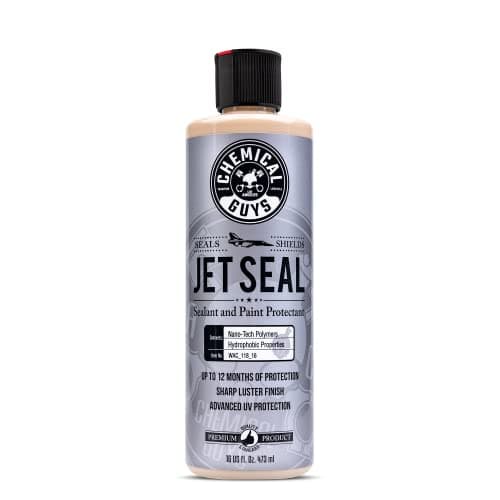
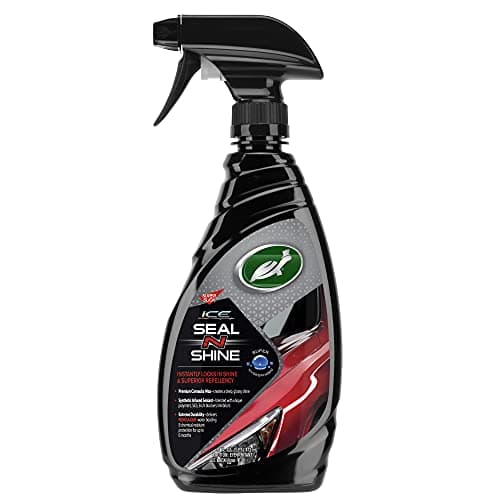
Synthetic polymer waxes and paint sealants are engineered around exactly this. They bond more tenaciously, tolerate far more heat, and many include dedicated UV absorbers rather than relying on the film itself. The trade-off is the look — a cooler, glassier reflection instead of carnauba's warmth — which matters on show cars and matters much less on a daily driver that lives on a driveway. The full comparison is in carnauba vs synthetic wax.
What "UV protection" on a label actually means
Two different things, and manufacturers rarely distinguish them.
The first is sacrificial coverage — any film on top of the clear coat takes some of the UV hit before the paint does. Every wax does this while it is present, which is why durability matters more than any additive.
The second is dedicated UV absorbers — ingredients that specifically convert UV energy into low-level heat rather than letting it break polymer bonds. Many synthetic sealants include them. We report what manufacturers publish rather than measuring it ourselves, and we say so on how we research. What we can say confidently is that coverage duration is the variable you control, and it dominates.
Where a coating changes the math
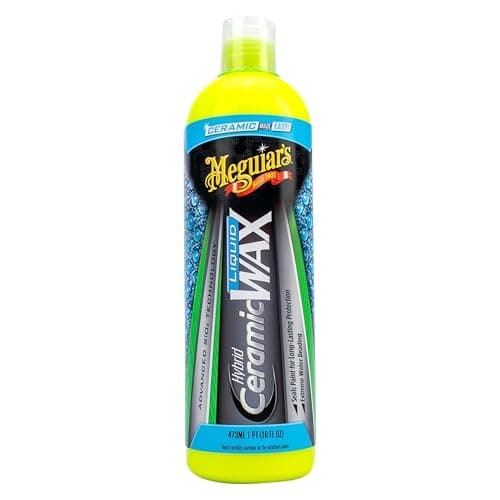
If the car lives outdoors permanently, the honest recommendation may not be a wax at all. A ceramic coating is measured in years rather than months, which means it is present through every summer instead of most of one — and the whole argument here is about being present. The cost-per-year arithmetic and the effort trade-off are in ceramic coating vs sealant and is ceramic coating worth it.
A wax remains the right answer if you cannot correct the paint first, cannot guarantee a dry cure window, or simply prefer a product you re-apply on a Saturday to one that commits you for years.
Protection is only half of sun damage
Where the car parks does more than any product. Shade, a carport or a cover beats every wax on this page, and covering a car that already has a good sealant on it is close to a complete solution. If the paint is already dulling, protection alone will not reverse it — the dead layer has to come off first, which is what our compound picks for oxidized paint are for. Correct first, then protect, or you are sealing in the damage.
Colour changes the stakes here more than most people expect. UV degrades pigment as well as clear coat, and the reds used on cars are frequently organic pigments whose molecular bonds ultraviolet light is energetic enough to break — which is why a red car fades to pink while the silver parked next to it does not. Best car wax for red cars ranks the field for that specific problem, and a coating on a daily driver is the stronger purchase if the car has to live outside.
How to choose for UV protection
Rank durability first, heat tolerance second, ease of application third — because a product you re-apply reliably beats a better one you apply once a year — and look last.
Work out your real exposure
- Garaged, driven daily — exposure is limited to driving hours. Almost any wax is adequate; choose on look.
- Driveway, partial shade — a synthetic wax or a hybrid. Re-apply seasonally.
- Full sun, all day, hot climate — a paint sealant or a coating. A traditional carnauba is not the right tool here regardless of how good it looks.
Layering, done properly
The classic approach is a durable synthetic sealant as the base layer, then a carnauba on top for the look if you want it. The sealant does the protective work; the carnauba is cosmetic and can be refreshed whenever it fades without touching the base. Allow the sealant to cure before layering, and do not apply a cleaner wax over a sealant — the abrasives strip the layer you just laid down.
Do the trim and the plastics too
UV destroys unprotected black plastic trim and headlight lenses faster than it dulls paint, and faded trim makes a car look older than dull paint does. If you are protecting against sun, protect the trim in the same session — several wheel-and-trim coatings in our wheel coating picks are rated for exactly that.
Re-application timing
Do not go by the calendar; go by the water. When beading gets lazy and water clings rather than sheeting, the layer is thinning regardless of how long ago you applied it — and in hot sun that comes sooner than any label suggests. How often to wax a car covers the test in detail.
The mistake to avoid
Applying wax to a hot panel in direct sun. It flashes before it can be spread evenly, bonds badly, and streaks on removal — so the layer meant to protect against sun is compromised by being applied in it. Work in shade, on cool paint, early or late in the day.