HUB 01
Machine Polishers
Everything to know before buying your first dual-action polisher, from orbit size to the pads and compound it needs to actually work.
We earn a commission when you buy through our Amazon links, at no extra cost to you. It never affects our rankings, and we say so when the cheaper product is the better buy. How this works.
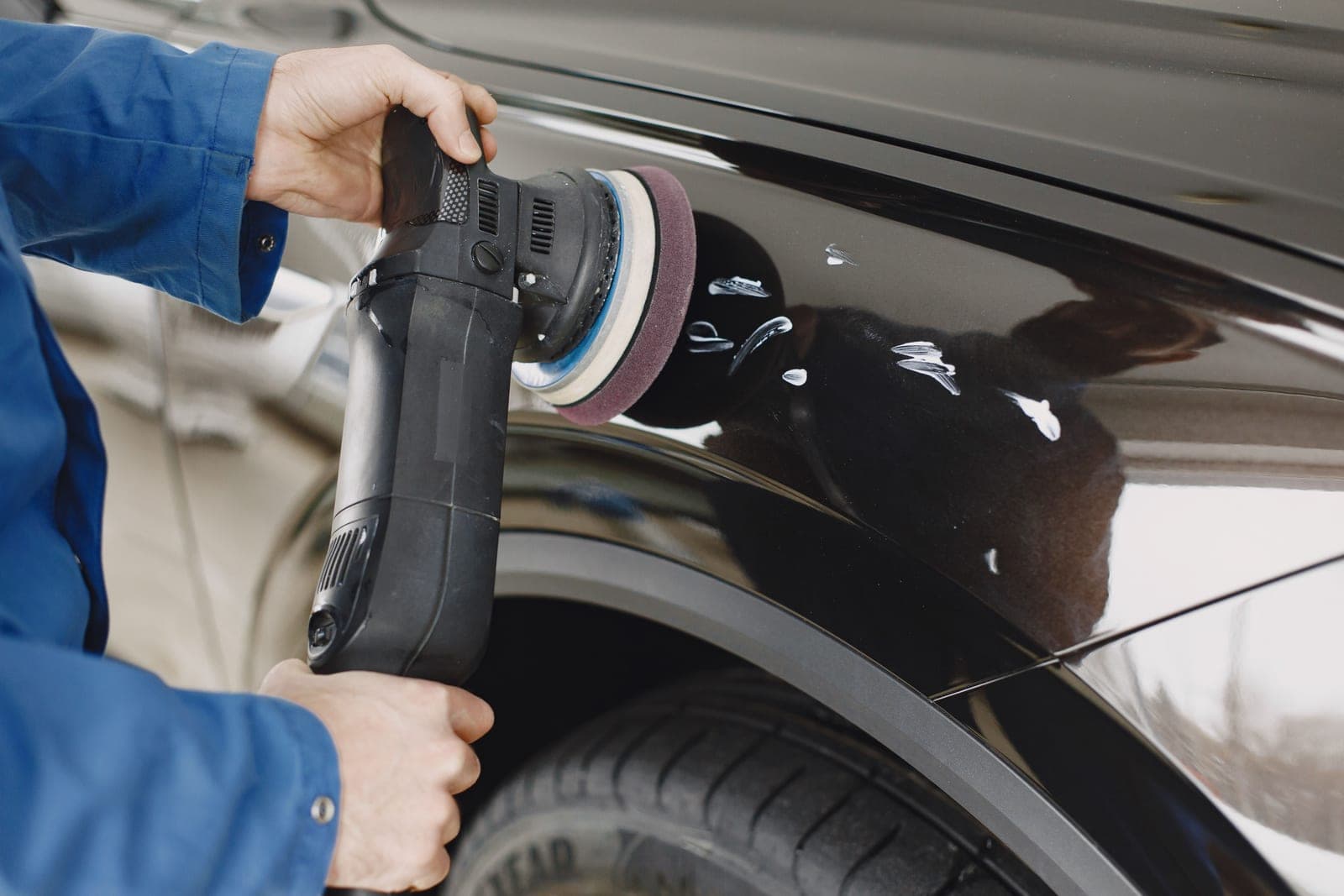
A machine polisher is the tool that turns dull, swirled clear coat into the kind of deep gloss you otherwise only see right off a dealer lot. It spins — and on a dual-action (DA) machine, also oscillates — a foam or microfiber pad loaded with compound or polish against the paint, leveling out the fine scratches that a hand wax can only ever hide under a layer of shine. If you have never run one before, the reassuring part is that the modern DA polisher was engineered specifically to make this safe to learn in a driveway. You do not need a body-shop background to get a real result.
Dual-action first, always
Every polisher we recommend on this hub is a dual-action, and that is deliberate. A DA pad both spins and jiggles through a small random pattern, so if you linger too long over one spot the pad mostly just stops turning instead of grinding through the clear coat underneath it. A rotary polisher spins on a single fixed axis with none of that built-in stall — it corrects faster in a trained hand, but it will burn paint in an untrained one, especially along body lines and high points where the pad naturally presses harder. For a first machine that trade-off is not close. Start with our beginner-safe picks, every one of them a DA, and only think about a rotary once you understand how a panel actually corrects. When you reach that point, the two rotaries still worth buying are in best rotary polisher.
What orbit and throw actually mean
Every DA spec sheet lists an orbit, sometimes called throw, measured in millimeters. It is the diameter of the small circle the pad traces as it spins, and it is the single spec that predicts how the tool will actually feel in your hand more than anything else on the box.
Short throw (8 mm)
An 8 mm orbit is the traditional beginner spec, and for good reason. The throw is small enough that keeping the pad flat and moving evenly is easy, and it is genuinely difficult to build enough heat to damage a panel with one. It is also the more nimble choice around curved bumpers, mirrors and anywhere trim narrows your working space. The trade-off is speed: an 8 mm tool clears heavier defects more slowly, in more passes.
Long throw (15/21 mm)
Long-throw DAs move the pad through a much wider circle, so they clear moderate defects across a whole panel in noticeably fewer passes — the tool you reach for once you are correcting a full car rather than touching up a single spot. They are still dual-action, so the stall safety net is intact, but the bigger throw is a little less nimble on tight, contoured panels and a little more tiring to hold flat for long stretches. The orbit decision is worked through on its own in long throw vs short throw polisher, and the full range is compared, short-throw and long, in our dual-action polisher roundup.
Corded or cordless
A corded polisher never runs low on power mid-panel, which is why it is still the default for a full, serious correction. A cordless DA trades some torque and runtime for the freedom to work anywhere without dragging a cable across paint you already corrected — genuinely useful for spot fixes, coating application, and awkward angles a cord fights you on the whole time. Treat cordless as the second polisher you add to the garage, not the first one you buy to correct a neglected car end to end. If it has to be the first, our cordless polisher picks separate the machines that genuinely correct from the ones that only spread wax — and if your budget is the real constraint, the car buffer roundup covers every tier from a thirty-dollar orbital waxer upward, and best car polisher for the money ranks the same field purely on correction per dollar.
The panels a full-size pad cannot reach
Whatever machine you choose, a 5.5-inch pad needs a reasonably flat area to sit on. Mirror caps, A-pillars, bumper returns and the face of a door handle are not that, and no amount of technique makes a full-size pad work there — only its edge ever touches the paint. That is what a 2- or 3-inch machine is for, and it is a second polisher rather than a first one. Our mini polisher picks cover the small-pad field, including who should skip the category entirely.
The polisher is only half the system
A polisher on its own removes nothing — it is just the motor. The pad and the compound or polish loaded onto it do the actual cutting, and mismatching either one is the most common reason a perfectly good polisher produces a disappointing result. A cutting compound loaded onto a soft finishing pad corrects almost nothing; a firm cutting pad paired with a finishing polish leaves haze a follow-up step then has to fix. Budget for pads and compound at the same time as the tool, not after a disappointing first attempt — start with pads built for a DA, and walk through how to polish a car step by step before your first pass so the whole sequence is dialed in, not just the tool.
The mistake that ruins a first polisher
The single most common mistake is buying the cheapest, most underpowered unit available to "just try it out," then judging the entire category by how it performs. An underpowered motor bogs down the moment you apply real working pressure — the pad slows, the orbit stalls, and correction basically stops, which reads to a beginner as "this does not work" when the real problem is a motor that cannot hold speed under load. Every polisher we recommend keeps turning under pressure, so the result you get reflects your technique, not a tool that gave up on the first hood.
The parts and habits around the machine
A polisher is only ever half the purchase. The pad has to reach the paint through a backing plate, and a worn or wrongly threaded plate produces a hopping pad and a hazy finish that people spend weeks blaming on their compound — our backing plate picks cover the thread sizes and the flex trade-off. If you have gone past what a dual-action can clear and bought a rotary, how to use a rotary polisher is the technique page to read before it touches paint. And if you are correcting whole cars rather than single panels, the long-throw case is made in full in our Adam's Swirl Killer 15 review. At the other end of the price range, the machine that taught most of this hobby to polish is still in the catalog and still worth understanding — our PORTER-CABLE 7424XP review explains why the lowest-risk way to learn is also one of the cheapest.
Not every job wants a full-size machine
A 5.5-inch pad cannot sit flat on a mirror cap, an A-pillar or a headlight lens, and trying anyway is how people catch a pad edge on a bumper ridge. Compact orbitals running 3-inch pads exist for exactly those panels — the field is ranked in our mini polisher picks. The most common reason people buy one is not paint at all but yellowed headlights, which are oxidized polycarbonate and respond to the same abrasives as clear coat; best polisher for headlight restoration covers the machines, the compounds and the re-sealing step almost every restoration kit leaves out.
Buying a polisher as a gift, or waiting for a sale
A first dual-action is the gift that changes this hobby for someone, and it is also the purchase most often made by a relative who does not know the hobby at all. Our gift guide for car detailers explains which machine suits which person and what to check before buying. If you are deciding whether to wait for November, the Black Friday deals hub has the sourced history: bundled polisher kits have discounted, bare premium machines mostly have not.
Owning the machine and running it well are different things. If you have just bought a dual-action, how to use a dual-action polisher covers the speed settings, arm speed and section technique that decide whether it corrects anything. And if you are still weighing whether you need one at all, the usual shortcut is worth reading about first — can you polish a car with a drill explains what the missing orbit actually costs your paint.
Start here
Best Car Polisher for Beginners
Five DA polishers picked for how forgiving and capable they are on a first car.
Read it →
Everything in this hub
All machine polishers
Roundup
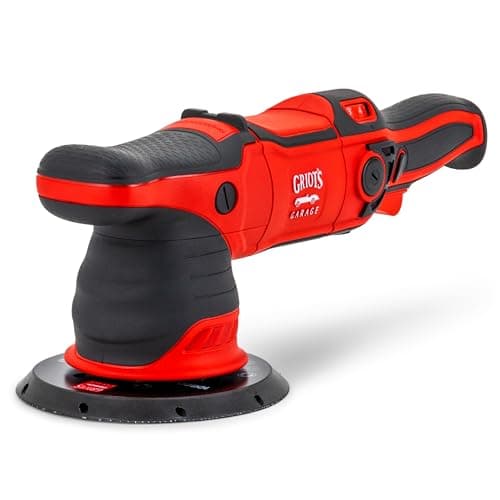
Best Car Polisher for Beginners
Five DA polishers picked for how forgiving and capable they are on a first car.
Top pick: Griot's Garage G9 Random Orbital Polisher
#ad · price as of October 20, 2026 · 5 products · 5 priced
Roundup
Best Dual-Action Polisher
Five dual-action polishers ranked from safest beginner tool to fastest full-car corrector.
Top pick: Griot's Garage G9 Random Orbital Polisher
#ad · price as of October 20, 2026 · 5 products · 5 priced
Roundup
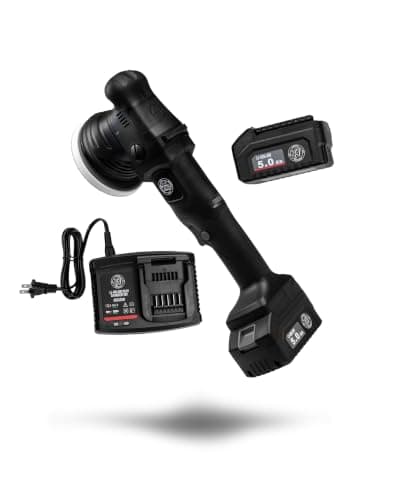
Best Cordless Polisher
Five cordless polishers ranked by what they can actually correct, not by battery voltage on the box.
Top pick: Adam's Cordless 15 mm Swirl Killer Polisher
#ad · price as of October 20, 2026 · 5 products · 5 priced
Roundup
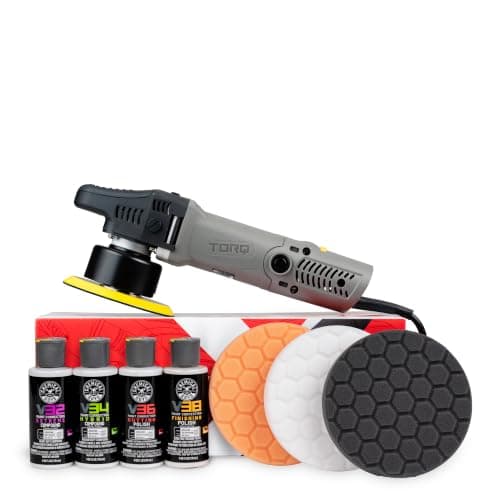
Best Car Buffer
Five car buffers from a thirty-dollar orbital waxer to a complete DA correction kit, split by what each can actually do.
Top pick: Chemical Guys TORQX Random Orbital Polisher Kit
#ad · price as of October 20, 2026 · 5 products · 5 priced
Review
Griot's Garage G9 Review
What the G9's orbit, motor and lifetime warranty actually buy — and the two cheaper tools worth considering instead.
Top pick: Griot's Garage G9 Random Orbital Polisher
#ad · price as of October 20, 2026 · 3 products · 3 priced
Roundup
Best Car Polisher for the Money
Five polishers ranked on correction per dollar, from a $30 orbital waxer to the DA worth saving up for.
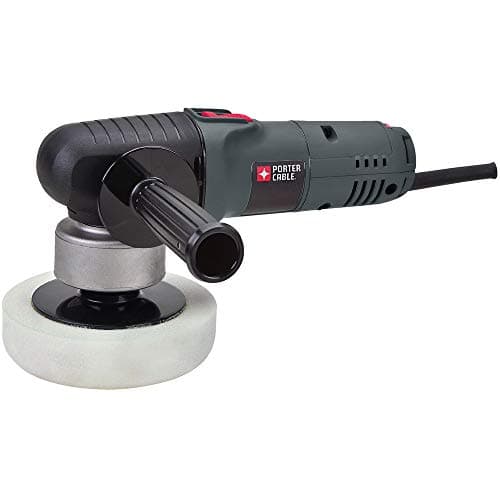
Top pick: PORTER-CABLE 7424XP Variable-Speed Polisher
#ad · price as of October 20, 2026 · 5 products · 5 priced
Roundup
Best Mini Polisher
Five 2- and 3-inch polishers for mirror caps, pillars and bumper returns, plus who should skip the category.
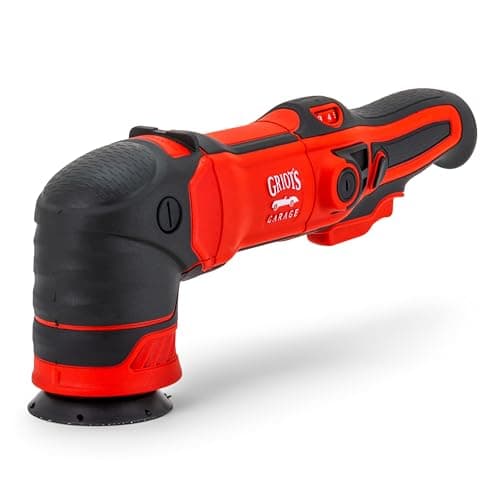
Top pick: Griot's Garage G8 Orbital Polisher
#ad · price as of October 20, 2026 · 5 products · 5 priced
Review
PORTER-CABLE 7424XP Review
What the 7424XP's orbit, speed range and enormous tutorial library actually buy — and when to spend more.
Top pick: PORTER-CABLE 7424XP Variable-Speed Polisher
#ad · price as of October 20, 2026 · 3 products · 3 priced
Review
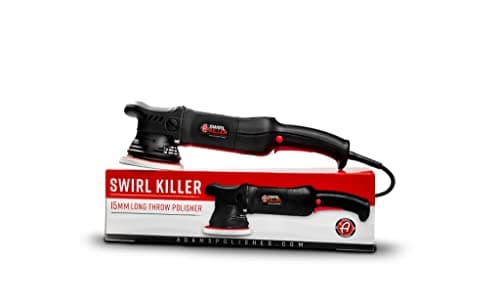
Adam's Swirl Killer 15 Review
What a 15 mm orbit actually changes on a full correction, and the two short-throw machines worth cross-shopping.
Top pick: Adam's Swirl Killer 15 mm Polisher
#ad · price as of October 20, 2026 · 3 products · 3 priced
Roundup
Best Backing Plate for a Polisher
Five DA and rotary backing plates ranked on flex, thread fitment and heat, with the sizing rule that prevents a wobbling pad.
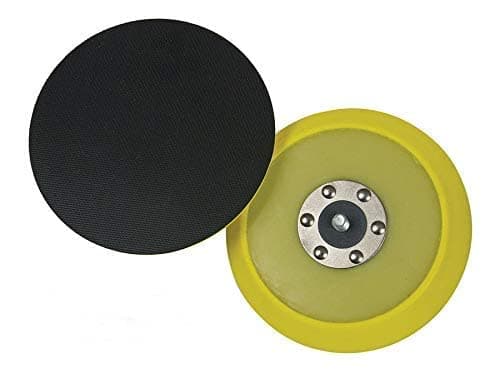
Top pick: Lake Country 5" Dual-Action Backing Plate
#ad · price as of October 20, 2026 · 5 products · 5 priced
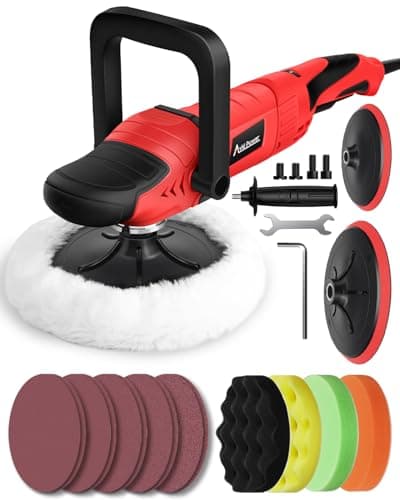
Buyer's guide
How to Use a Rotary Polisher
Speed, pressure, pad choice and the panel areas that burn first — plus the foam pass a rotary always has to finish with.
Top pick: AVID POWER 1200 W Rotary Buffer/Polisher
#ad · price as of October 20, 2026 · 3 products · 3 priced
Head to head
Long Throw vs Short Throw Polisher
What an 8 mm, 15 mm or 21 mm orbit actually changes in the hand and on the clock, and which throw belongs on a first machine.
Top pick: Griot's Garage G9 Random Orbital Polisher
#ad · price as of October 20, 2026 · 5 products · 5 priced
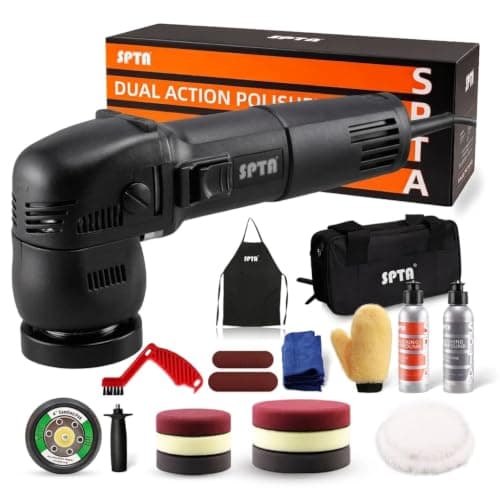
Roundup
Best Polisher for Headlight Restoration
Compact polishers and compounds ranked for headlight lenses — pad size, orbit and speed that suit curved polycarbonate, and why polishing alone buys you months, not years.
Top pick: SPTA 3-Inch Mini Orbital Polisher
#ad · price as of October 20, 2026 · 5 products · 5 priced
Buyer's guide
How to Use a Dual-Action Polisher
How a dual-action actually cuts, the speed and pressure settings that matter, section-pass technique, and the four mistakes that waste a whole afternoon.
Top pick: Griot's Garage G9 Random Orbital Polisher
#ad · price as of October 20, 2026 · 4 products · 4 priced
Buyer's guide
Can You Polish a Car With a Drill?
Why a drill-mounted pad is not a substitute for a dual-action polisher, the jobs it genuinely can do, and the cheapest machines that replace it.
Top pick: PORTER-CABLE 7424XP Variable-Speed Polisher
#ad · price as of October 20, 2026 · 4 products · 4 priced
Head to head
Dual-Action Polisher vs Random Orbital
Why dual-action and random orbital describe the same free-spinning polisher in car care, what forced rotation actually changes, and how both differ from a rotary.
Top pick: Griot's Garage G9 Random Orbital Polisher
#ad · price as of October 20, 2026 · 4 products · 4 priced
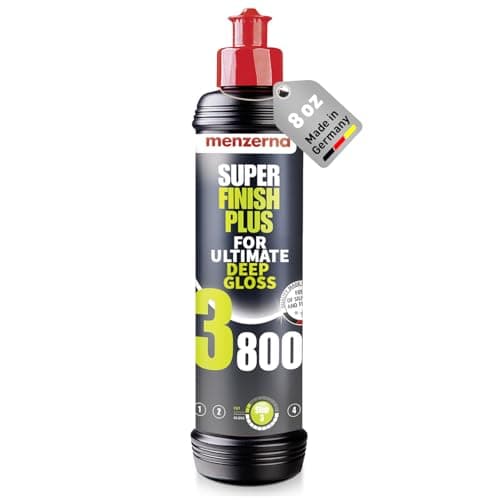
Buyer's guide
How to Remove Buffer Trails
Holograms explained: why rotary polishing leaves directional micro-marring, why wax only hides it, and the dual-action, fine-polish and soft-pad combination that removes it.
Top pick: Menzerna Super Finish Plus 3800
#ad · price as of October 20, 2026 · 4 products · 4 priced
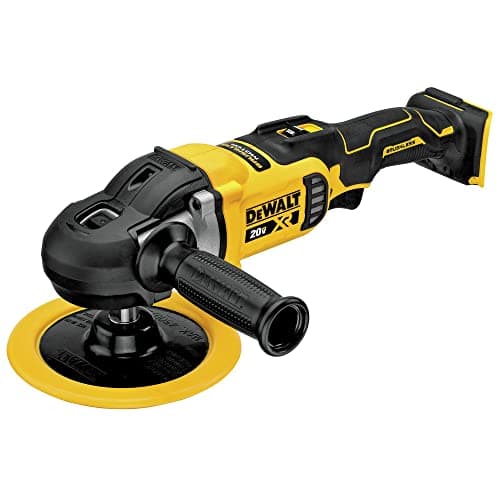
Roundup
Best Rotary Polisher for Cars
Two live consumer rotaries, the wool and foam they need, and an honest look at the long-throw dual-action that has replaced rotaries for most people.
Top pick: DEWALT DCM849B 20V MAX XR Cordless Rotary Polisher
#ad · price as of October 20, 2026 · 6 products · 6 priced
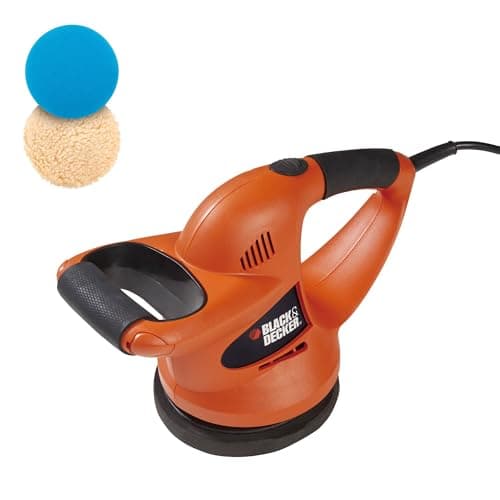
Buyer's guide
How to Wax a Car With a Polisher
Lowest speed, softest pad, no pressure, four drops of product. How to apply wax by machine without streaking, slinging or burning anything.
Top pick: BLACK+DECKER WP900 6-Inch Orbital Buffer/Polisher
#ad · price as of October 20, 2026 · 4 products · 4 priced