HUB 03
Compounds & Polishes
The products that actually remove and refine paint defects — and how to tell how much cut your car really needs.
We earn a commission when you buy through our Amazon links, at no extra cost to you. It never affects our rankings, and we say so when the cheaper product is the better buy. How this works.
Every product in this hub does one of two jobs: cutting away damaged clear coat to remove a defect, or refining what's left so it reflects light cleanly. A compound is the cutter. A polish is the refiner. Confusing the two — or reaching for whichever bottle happens to be in front of you — is how a lot of home paint correction goes sideways, so this hub starts with that distinction before it gets anywhere near a specific bottle.
Compound vs. polish: two different jobs
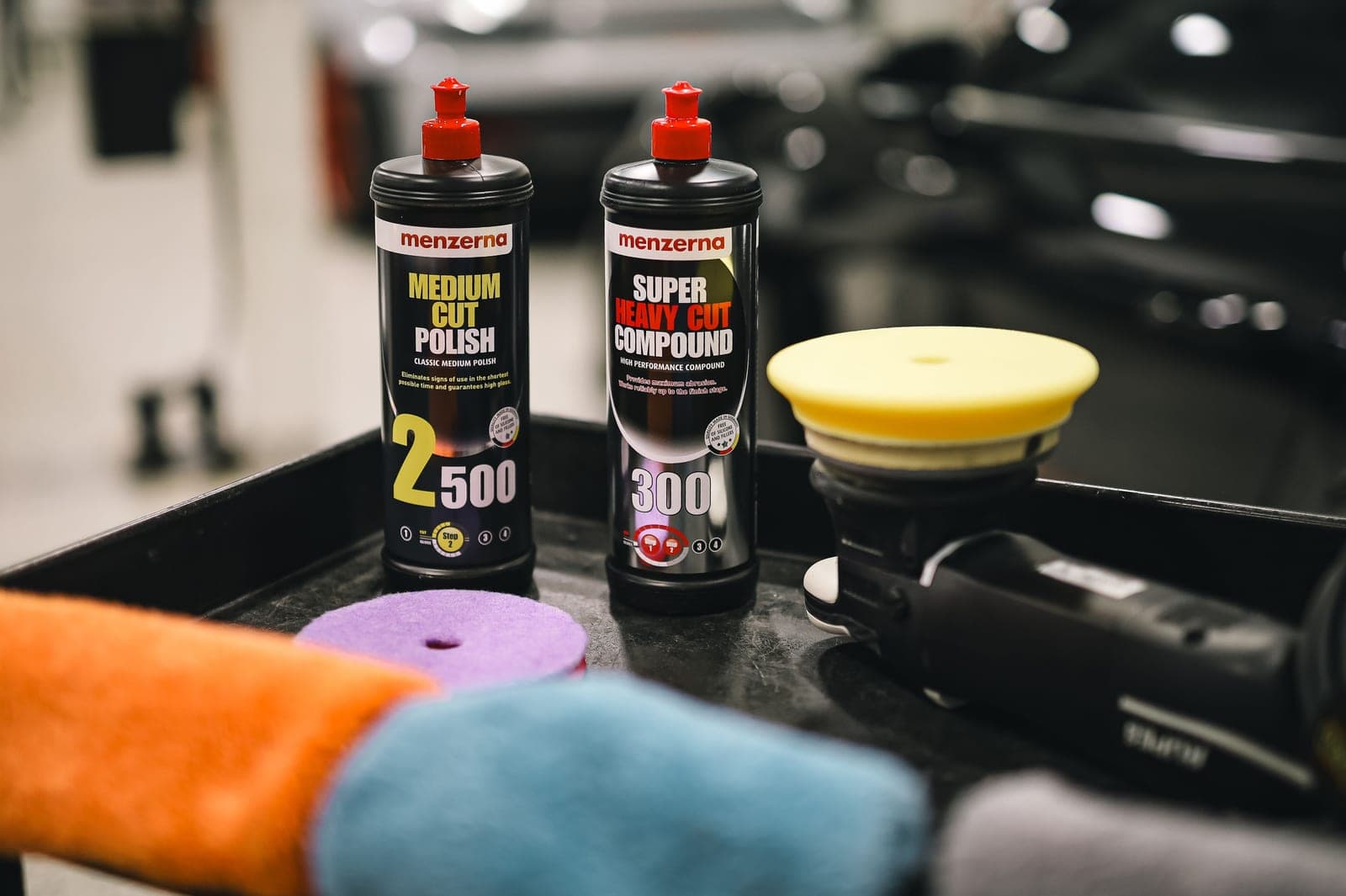
A compound (often labeled a rubbing compound or cutting compound) carries a heavier abrasive load. Its job is to physically remove a thin layer of clear coat — enough to level out swirl marks, light scratches, water spots and oxidation that sit at the surface. A polish carries a much finer abrasive, sometimes almost none at all. It doesn't remove material in any meaningful sense; it refines the micro-marring a compound leaves behind and brings out maximum clarity and gloss. Think of a compound as leveling a defect, and a polish as the last few passes that make the surface reflect light without haze.
One-step "all-in-one" vs. a dedicated two-step
Most defects on a normal daily driver — light swirls, minor oxidation, wash-induced marring — don't need the full two-step treatment. A one-step "all-in-one" blends a moderate abrasive with finishing polymers so a single product and a single pass both cuts and finishes, leaving usable gloss without a follow-up step. A dedicated two-step correction — a real compound pass followed by a separate finishing polish — removes more and finishes glossier, but it's roughly double the time and double the products. Save the two-step for paint that's genuinely neglected or headed for a ceramic coating, where the extra clarity actually shows. Our rubbing compound roundup and the compound vs. polish comparison both walk through which situation calls for which approach. If the two-step job itself is the unfamiliar part — what each stage does to the paint, what it can and cannot fix, how long it takes and what a shop is quoting you for — what is a cut and polish explains the whole process before you buy a bottle for either stage.
SMAT vs. DAT abrasives, in plain terms
Compound labels increasingly mention their abrasive technology, and the two you'll see most are SMAT and DAT. DAT (diminishing abrasive technology) is the traditional approach: the abrasive particles start coarse and physically break down as you buff, so the same pass gets less aggressive and glossier the longer you work it. That's the classic "cut-then-finish" feel of an old-school rubbing compound. SMAT (micro-abrasive technology) uses closer-to-uniform particle sizes that don't break down the same way, so the cut stays consistent and predictable from the first pass to the last — useful for repeatable defect removal, but it usually means the abrasive won't finish down to a full gloss on its own, and a separate polish is expected afterward. Neither is objectively better: DAT rewards a bit more technique and finishes in fewer steps, while SMAT is more predictable and is the choice for serious defect removal where you plan to polish afterward anyway.
A compound is only as good as the pad and machine underneath it
The single biggest reason a "great" compound underperforms at home has nothing to do with the bottle. Cut is a product of chemistry, pad and machine working together — a heavy-cutting compound on a soft finishing pad, or run on a polisher that can't hold speed under pressure, will barely touch a real defect. Match the pad to the compound's intended cut level and make sure the machine has enough torque to keep the pad spinning once you lean on it; see our pad picks and which dual-action polisher actually has the power to back a cutting pad up.
Test-spot before you commit to a panel
Paint hardness varies by manufacturer, color and whether a panel has been repainted, so the same compound-and-pad combination that corrects one car in two passes might need four on another, or might be too aggressive for a soft repaint. Work a small, low-visibility section first, wipe it down, and check the result under bright light before committing that combination to an entire panel or the whole car.
The common mistake: reaching for more cut than you need
The most common error isn't picking the wrong brand — it's picking too much compound. Faced with ordinary swirls, a lot of first-timers grab the heaviest cutting compound they can find "to be safe." That's backwards: a heavier compound removes more clear coat than the defect requires, adds heat and marring risk, and usually still needs a separate polish afterward to finish down the haze it leaves. A moderate one-step fixes typical daily-driver paint with one product and one pass, sacrificing far less clear coat in the process. Start with the least aggressive product that could realistically do the job, and only step up to a dedicated cutting compound once you've confirmed a one-step can't get there. When it genuinely can't, our cutting compound picks are ranked on cut and finishing ability together — and if the car is black or a dark metallic, start instead with the dark-paint shortlist, where finishing quality matters more than cut. The two ends of the range have their own pages too: oxidized, chalky paint needs more cut than any one-step carries, and a finishing polish is what turns a corrected panel into a glossy one. If you are unsure which bottle to open first, polish or compound first settles the order in one page.
How much cut you can actually afford
Every compounding pass spends clear coat permanently, so the useful question is not "what cuts hardest" but "what is the least aggressive thing that will work." Will rubbing compound damage clear coat puts honest numbers around that, and it is worth reading before you buy the heaviest bottle on the shelf. If the problem is one visible mark rather than general dullness, start instead with best compound for car scratches, which sorts the field by scratch depth and tells you plainly when a scratch has gone too far to compound at all.
The variable nobody tells you to check: how hard your paint is
Two cars in the same color can need completely different products, because clear coat hardness varies enormously between manufacturers and between a factory panel and a repaint. Hard, ceramic-reinforced clears resist correcting as stubbornly as they resist scratching, and a compound that levels ordinary paint in three passes can slide straight over them. Hard paint vs soft paint is the twenty-minute test that tells you which car you own before you spend anything, and best compound for hard paint is the shopping list — compounds and cutting pads together — for when the answer comes back hard. If you have never machine-polished before, read how to use rubbing compound first: the technique decides the result at least as much as the bottle does.
The stage above a compound, and when it is the only option
A few defects are not reachable by any bottle in this hub. Orange peel is the shape of the cured clear coat rather than something sitting in it, so a compound follows the texture and polishes it; a paint run or a dust nib stands proud of the panel and needs to come down to the level of the paint around it. Those are wet-sanding jobs, and sanding is a genuinely different risk level — it removes clear coat quickly and much less selectively than any compound. Best sandpaper for wet sanding a car covers which grades are graded tightly enough to be safe on clear coat, the ladder that keeps a wet sand recoverable, and the defects that should never be sanded at all — because every wet sand still ends with a compound and a polish from this hub.
One brand accounts for most of the confusion in this category, because Meguiar's sells a consumer compound and a professional one that sound like the same product at different strengths and are not — Ultimate Compound vs M105 sets out which one finishes clean, which one needs a polish after it, and which belongs in a home garage.
The same ladder, on plastic
Everything above applies to clear coat, but the logic is not specific to paint. A yellowed headlight is oxidized polycarbonate with the factory UV hard coat worn off it, and clearing one is the same sequence in miniature: cut the dead layer away with an abrasive, refine the pattern out with progressively finer grades, then protect what you exposed. The boxed kits that bundle all three steps are ranked in best headlight restoration kit — sorted on the one thing most of them get wrong, which is the protective step at the end rather than the abrasive at the start.
Knowing when to stop
Every bottle in this hub works by removing clear coat, and clear coat is the one thing on a car that cannot be replaced without a respray. That makes measurement the other half of the skill: before an aggressive compound goes anywhere near a used car, it is worth knowing whether a panel has been resprayed, whether there is filler under it, and whether a previous owner has already cut it thin. A thickness gauge answers all three in about five minutes, and best paint thickness gauge ranks the ones currently worth buying — including an honest account of what a reading does not tell you.
Start here
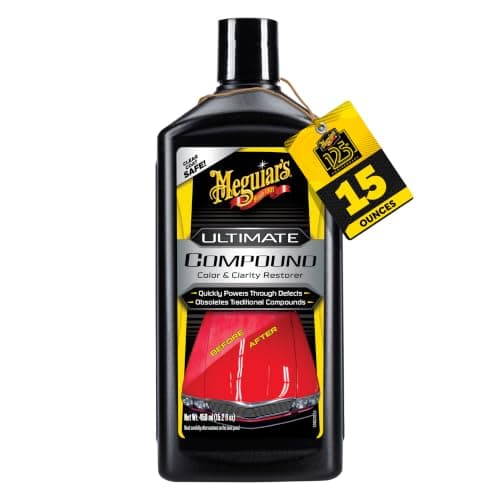
Best Rubbing Compound for Cars
Six rubbing compounds compared on cut level, finish quality and how forgiving each is for a first-timer.
Read it →
Everything in this hub
All compounds & polishes
Roundup
Best Rubbing Compound for Cars
Six rubbing compounds compared on cut level, finish quality and how forgiving each is for a first-timer.
Top pick: Meguiar's Ultimate Compound
#ad · price as of October 20, 2026 · 6 products · 6 priced
Roundup
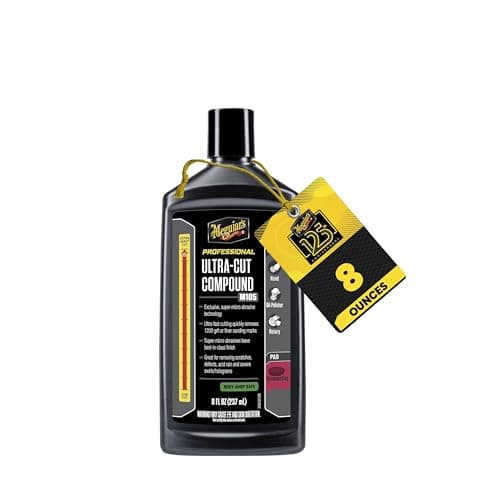
Best Cutting Compound for Paint Correction
Five cutting compounds compared on cut level, finishing ability and how many follow-up steps each one costs you.
Top pick: Meguiar's Mirror Glaze M105 Ultra-Cut Compound
#ad · price as of October 20, 2026 · 5 products · 5 priced
Roundup
Best Cutting Compound for Black Cars
Five compounds and polishes for dark paint, ranked on finishing ability rather than raw cutting power.
Top pick: Meguiar's Ultimate Compound
#ad · price as of October 20, 2026 · 5 products · 5 priced
Review
Meguiar's Ultimate Compound Review
What Ultimate Compound's diminishing abrasives really do, the defects it will not touch, and two alternatives worth knowing.
Top pick: Meguiar's Ultimate Compound
#ad · price as of October 20, 2026 · 3 products · 3 priced
Roundup
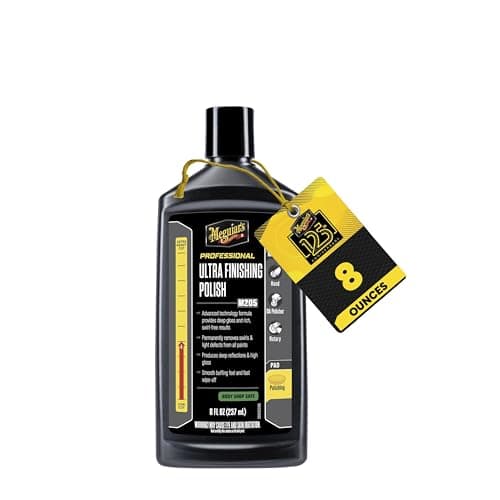
Best Polishing Compound for Cars
Five finishing polishes for the gloss pass after correction, from a professional benchmark to a one-step that skips a step.
Top pick: Meguiar's Professional M205 Ultra Finishing Polish
#ad · price as of October 20, 2026 · 5 products · 5 priced
Roundup
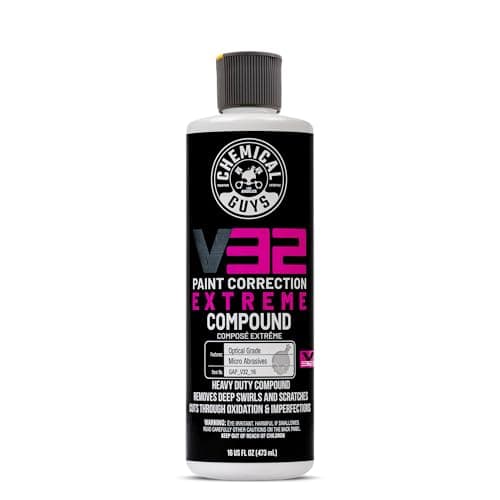
Best Compound for Oxidized Paint
Five heavy-cut compounds for chalky, faded paint, plus the towel test that tells you whether correction will work.
Top pick: Chemical Guys V32 Optical Grade Extreme Cutting Compound
#ad · price as of October 20, 2026 · 5 products · 5 priced
Roundup
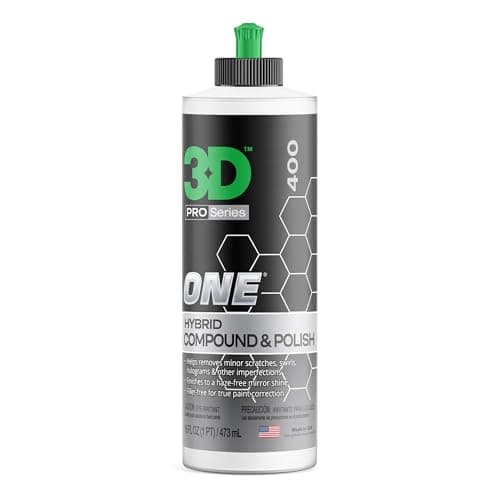
Best Compound for Car Scratches
Five scratch-removal compounds ranked by cut, with the fingernail test that decides which one you actually need.
Top pick: 3D One Scratch & Swirl Remover
#ad · price as of October 20, 2026 · 5 products · 5 priced
Buyer's guide
Will Rubbing Compound Damage Clear Coat?
What a compounding pass actually costs in clear coat, how many a car has in it, and the four mistakes that cause burn-through.
Top pick: Meguiar's Ultimate Compound
#ad · price as of October 20, 2026 · 3 products · 3 priced
Buyer's guide
What Is a Cut and Polish?
The two-stage process explained end to end — what cutting and polishing each do, the defects they fix and the ones they cannot, and the liquids you need for each stage.
Top pick: Meguiar's Ultimate Compound
#ad · price as of October 20, 2026 · 5 products · 5 priced
Roundup
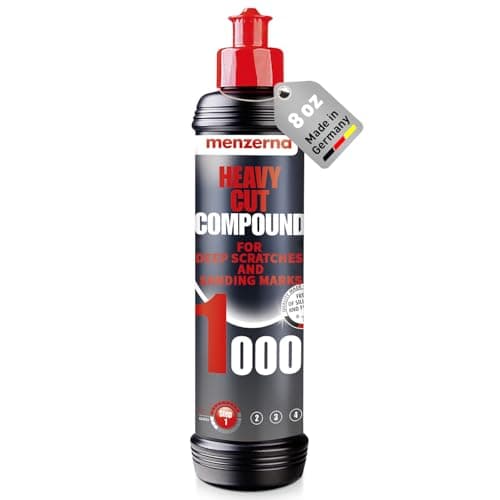
Best Compound for Hard Paint
Ranked for ceramic-reinforced German clear coats: heavy-cut compounds paired with the microfiber and wool pads that let them work, plus the test that tells you whether your paint is actually hard.
Top pick: Menzerna Heavy Cut Compound 1000
#ad · price as of October 20, 2026 · 5 products · 5 priced
Head to head
Hard Paint vs Soft Paint
How to tell whether your clear coat is hard or soft, why the badge on the trunk is not the answer, and the two very different shopping lists each one calls for.
Top pick: Meguiar's Mirror Glaze M105 Ultra-Cut Compound
#ad · price as of October 20, 2026 · 5 products · 5 priced
Roundup
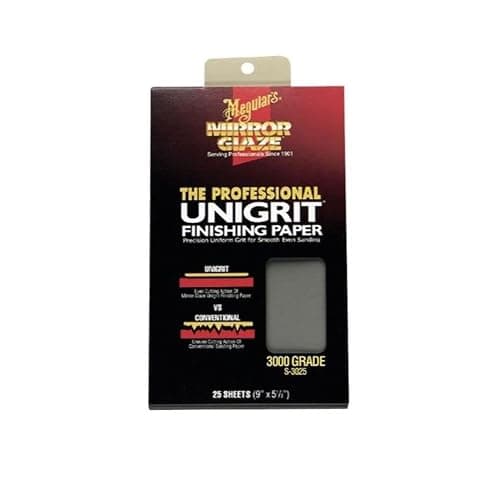
Best Sandpaper for Wet Sanding a Car
Six wet-sanding abrasives ranked on grading uniformity, grit ladder and backing — plus the fingernail test that tells you whether to sand at all.
Top pick: Meguiar's Professional Unigrit Finishing Paper, 3000 Grit (S3025)
#ad · price as of October 20, 2026 · 6 products · 6 priced
Head to head
Meguiar's Ultimate Compound vs M105
Meguiar's consumer compound against the professional Mirror Glaze cutter: cut level, finish quality, machine requirements and which one a DIYer should actually buy.
Top pick: Meguiar's Ultimate Compound
#ad · price as of October 20, 2026 · 4 products · 4 priced
Roundup
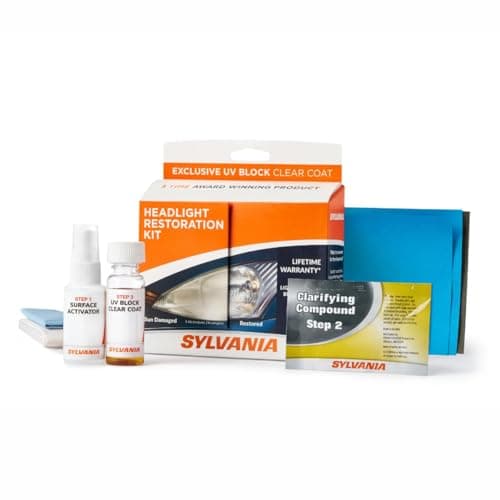
Best Headlight Restoration Kit
Headlight restoration kits ranked on abrasive ladder and final protective step, from a drill-driven 500-grit system to a three-wipe ceramic kit, with every pack list cited.
Top pick: Sylvania Headlight Restoration Kit
#ad · price as of October 20, 2026 · 6 products · 6 priced
Roundup
Best Compound for Single-Stage Paint
Ranked for pigmented single-stage finishes, where there is no clear coat to spend: mild SMAT cut, an all-in-one route, a heavy option for chalked paint, and the carnauba that porous single-stage needs afterward.
Top pick: Meguiar's Ultimate Compound
#ad · price as of October 20, 2026 · 6 products · 6 priced
Roundup
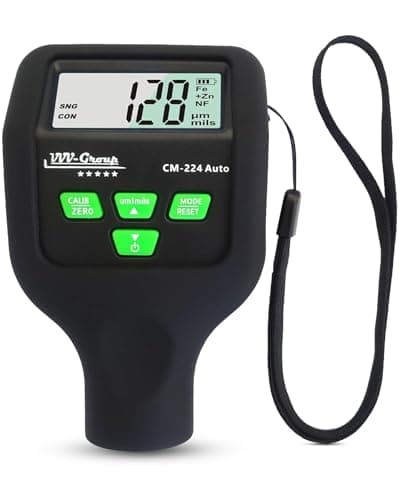
Best Paint Thickness Gauge for Cars
Six paint thickness gauges by budget, ranked on substrate coverage and published resolution — plus what a reading can and cannot tell you.
Top pick: CM-224 Auto Digital Paint Thickness Gauge
#ad · price as of October 20, 2026 · 6 products · 6 priced
Head to head
Meguiar's Ultimate Compound vs Ultimate Polish
If you only buy one, buy Ultimate Compound. Ultimate Polish is the gloss step after it, not a gentler version of it.
Top pick: Meguiar's Ultimate Compound
#ad · price as of October 20, 2026 · 4 products · 4 priced