You can, but you should not — and the reason is not that the sun ruins paint. It is that four separate things go wrong at once on a hot panel: the product dries before it has finished working, the abrasive behaves differently, friction heat stacks on top of solar heat, and the glare hides the defects you are trying to grade. The result is more effort for a worse finish, and a real risk of adding marring. If you have no choice but to work outdoors, the rest of this page is how to do it without those four things ruining the job.
The four things that go wrong
1. The product flashes before it has done its work
A compound or polish works while it is wet. The carrier fluid keeps the abrasive mobile so it can break down, roll and shear against the clear coat for as long as you keep working the section. On a panel at 120°F or more in direct sun, that fluid evaporates in a fraction of the time, and what is left is dry abrasive being dragged across paint by a pad. Dry abrasive does not refine — it scours. This is the single biggest reason a correction done in the sun looks hazier than the same work done in shade.
2. Residue bakes on and is hard to remove
Flashed product does not just stop working; it hardens onto the surface. Removing baked polish residue means more wiping with more pressure, which is itself an abrasive process on a surface you have just refined. On dark paint this is where a lot of the "I polished it and now it has fine scratches" reports come from.
3. Heat stacks
Polishing generates heat by friction — that is unavoidable and normally harmless, because a dual-action pad never stays in one place and the panel is at ambient temperature. Start from a panel that is already very hot and you remove the entire thermal headroom. Clear coat softens as it warms, which changes how it responds to abrasive, and on a hot panel a dual-action can produce marring it would never leave on a cool one. On a rotary the risk is considerably higher — see how to use a rotary polisher.
4. You cannot see what you are doing
This one gets underestimated. Harsh overhead sunlight washes out fine defects and floods the panel with reflected glare, so the swirls you came to remove are invisible at exactly the moment you need to grade your progress. People in this situation reliably do one of two things: stop too early because the paint looks perfect in the sun, or keep cutting because they cannot tell whether anything has changed. Both waste clear coat. A focused inspection light is the fix, and it works outdoors in shade.
What to check before you start: the panel, not the forecast
Air temperature is the wrong measurement. A dark panel in direct sun on a 75°F day can be well over 120°F, while a light panel in deep shade on a 95°F day can be cool to the touch. What matters is the surface you are about to polish.
The test is your hand. Put your palm flat on the panel and hold it there. If you want to take it off, the panel is too hot to polish. If you can leave it there comfortably, you are fine. That is the whole test, and it is more reliable than any thermometer reading you will bother to take.
| Panel condition | Verdict | What to do |
|---|
| Cool or barely warm to a flat palm | Polish normally | Nothing special required |
| Warm but comfortable to hold | Workable | Smaller sections, less product, work faster |
| Uncomfortably hot within a couple of seconds | Stop | Move to shade or cool the panel and wait |
| Too hot to keep a hand on | Do not polish | Work a different panel, or a different time of day |
How to work outdoors anyway
Most people polishing a car do not have a garage, and "work in a climate-controlled bay" is not useful advice. These are the adjustments that actually make an outdoor correction work.
- Chase the shade around the car. Do the panels that are currently in shadow and come back for the others as the sun moves. A full correction takes hours anyway — see how long paint correction takes — so you have time to work with the sun rather than against it.
- Start early or finish late. The first two hours after sunrise are the best polishing conditions most people have access to: cool panels, low ambient temperature, and raking low-angle light that shows defects beautifully.
- Cool the panel, then dry it completely. A rinse with cool water drops panel temperature fast. Dry it thoroughly before the pad touches it, because water in a pad dilutes the abrasive and confuses everything.
- Shrink the working section. A one-foot square instead of two. You have less time before flash-off, so give yourself less area to cover in it.
- Use less product, not more. The instinct is to add product to fight drying. It makes it worse — a heavy wet film flashes to a thick crust. Four small drops and a properly primed pad is the answer; pad priming matters more in heat than anywhere else.
- Pick a long-working-time product. SMAT-style, water-based compounds hold their working window far better in heat than oil-heavy diminishing-abrasive polishes. That is what the picks below are selected on.
- Wipe residue off while it is still fresh. Do not finish the panel and then go back for the wipe-down. Section, wipe, section, wipe.
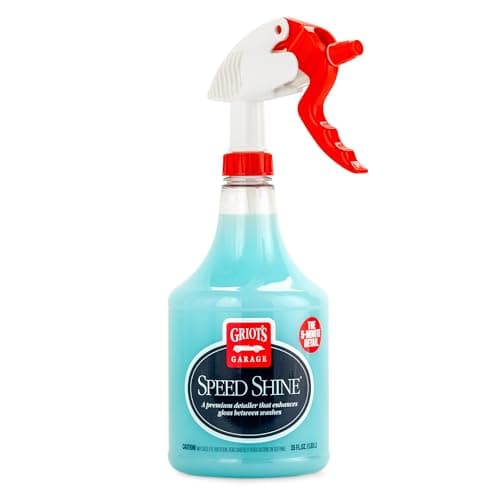
- Keep a detail spray in hand. A light mist helps release residue that has started to set and doubles as your wipe-down lubricant.
The same rule applies to everything else you put on paint
Heat and sun are a problem for most of the detailing workflow, not just polishing. Wax applied to a hot panel smears and becomes very hard to remove. Ceramic coatings flash almost instantly and leave high spots you then have to polish off — one of the reasons coating a daily driver is a shade-and-forecast job. Iron removers can stain if they dry on a hot surface, which is covered on iron remover vs clay bar. Even washing in direct sun causes water spotting, because the water evaporates and leaves its mineral content etched into the surface — removing water spots is the cleanup for that mistake.
The general rule for the whole hobby: cool panel, shade, and no product allowed to dry on paint. The full order of operations is on how to polish a car step by step.
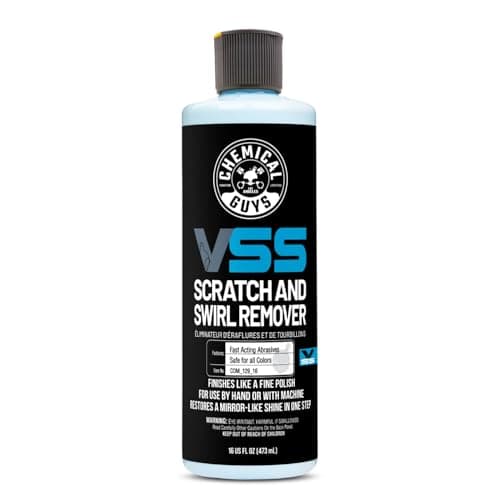
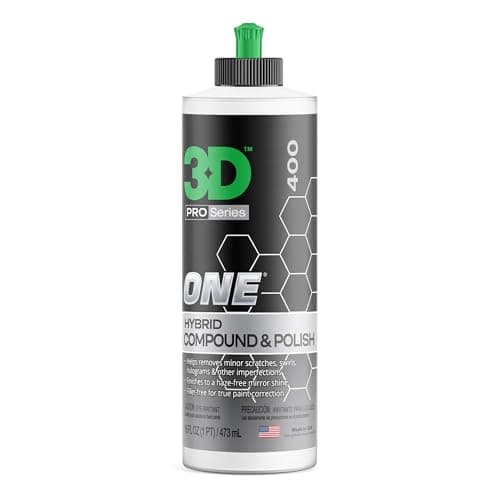
The three picks below are the products that hold up best when you cannot avoid working warm — two long-working-time compounds and the detail spray that helps you get residue off before it sets. Prices are read live from the retailer and stamped with the date we verified them.