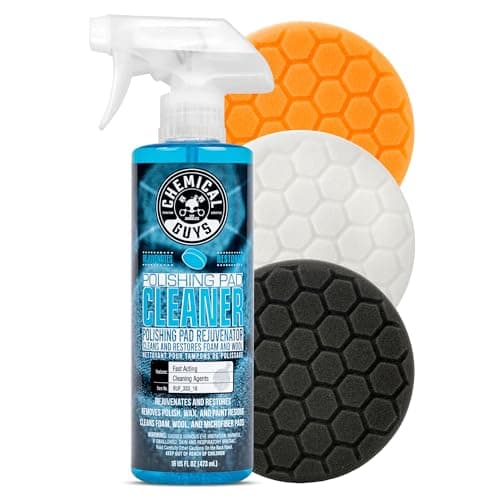
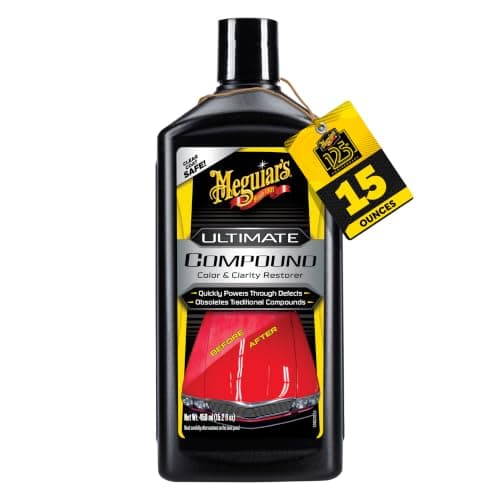
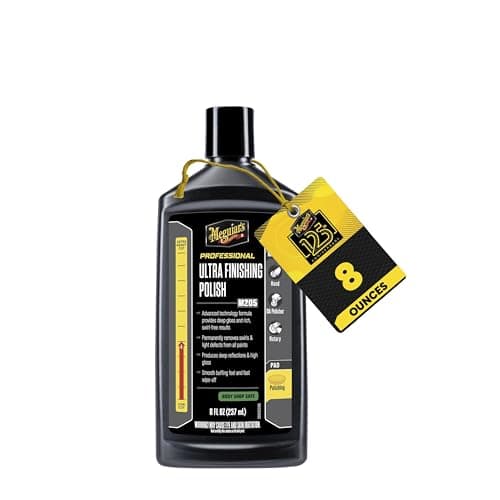
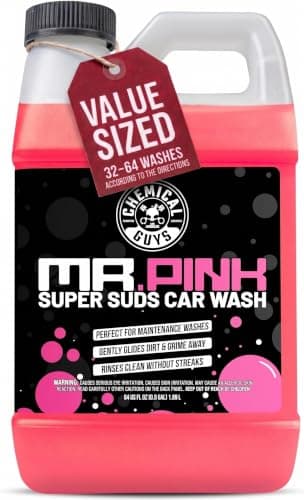
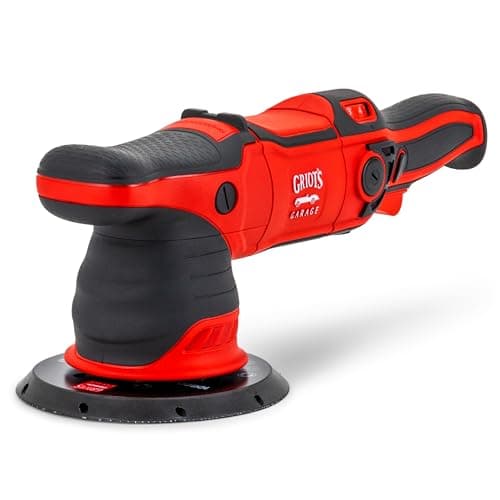
If you buy one thing from this page, buy the Griot's Garage G9 polisher — it is the single product that changes what is possible on your paint, and everything else on this list is a consumable that works with it. This page is for the person who has decided to look after their own car properly and wants to know what to actually order: ten products, one per job, in the order you use them, with no duplicates and nothing bought to fill a slot.
Scope, stated up front: this is an exterior paint care list. We cover washing, decontamination, correction, protection and inspection, because that is the work this site researches. Interior products, vacuums, pressure washers and upholstery tools are deliberately absent — we have no basis to rank them and we are not going to pretend otherwise. If what you want is a wheels-and-interior kit, this is not the page.
Prices are read live from the retailer and stamped with the date we verified them. Where we have no verified price we show none rather than an old one.
The ten jobs, and why each one needs its own product
Detailing looks like a wall of bottles because the retail shelf is organized by brand rather than by task. Organized by task it is short, and almost nothing on it is optional.
| # | Job | What happens if you skip it |
|---|
| 1 | Machine polisher | You can clean and protect paint but you cannot correct it; swirls stay |
| 2 | Polishing pads | The machine has nothing to work through; cut comes from the pad as much as the liquid |
| 3 | Compound | No defect removal — gloss products only hide what is still there |
| 4 | Finishing polish | The compound's own haze stays on the paint and reads as dullness |
| 5 | pH-neutral shampoo | Dish soap and strong cleaners strip the protection you just applied |
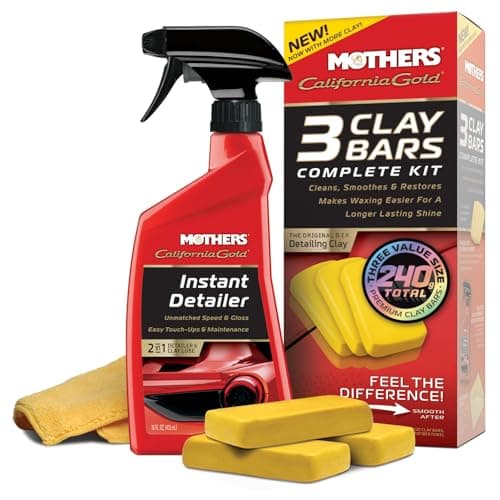
| 6 | Clay | Bonded grit stays on the paint and gets dragged by your pad |
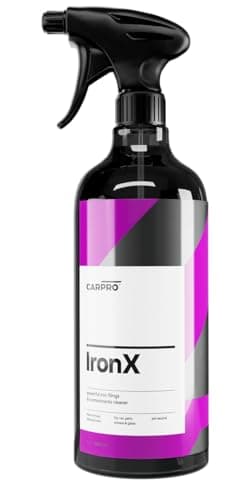
| 7 | Iron remover | Embedded brake dust keeps rusting under wax or coating |
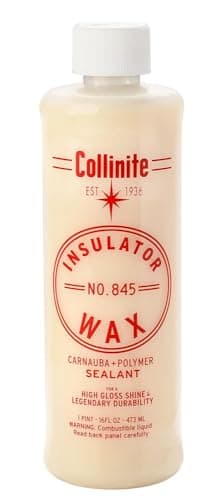
| 8 | Wax or sealant | Corrected paint sits unprotected and starts over within weeks |
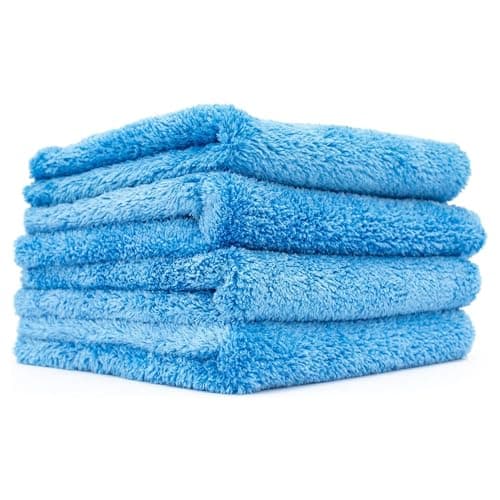
| 9 | Drying towels | You put swirls back in during the five minutes after the wash |
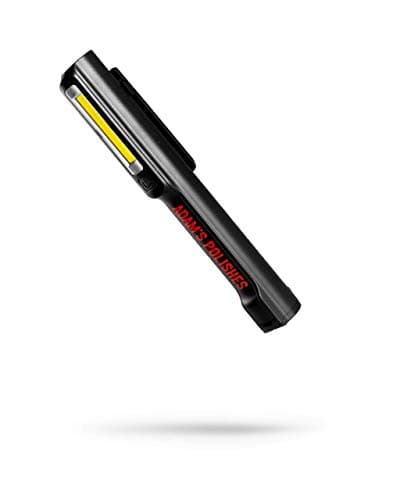
| 10 | Inspection light | You cannot see what you fixed, so you either stop early or keep cutting |
The order in that table is deliberately not the order you use them. On the car the sequence is wash, decontaminate, correct, refine, protect — the machine and the pads just happen to be the purchases that matter most. Our step-by-step polishing guide walks the actual running order, and paint correction for beginners is the gentler introduction if this is your first time.
What we left out, and why
A ten-item list is a set of decisions, so here are the ones worth defending.
No ceramic coating. A coating is a better long-term protection choice than a wax for many cars, but it adds a panel wipe, a curing window and a maintenance regime to a list aimed at someone assembling their first kit. Buy the wax now; read the daily-driver coating page when you have done one correction and know you want to keep going.
No all-in-one. An AIO that cuts, polishes and protects in one pass is a genuinely good product and a bad teacher — it hides which step did what, which is the one thing a first kit should not do. There is a case for it on an older car, and it is made on our wax-and-polish page.
No separate wash mitt or bucket. They matter enormously and they are commodity purchases — any clean microfiber or chenille mitt and two buckets with grit guards will do. The method is what matters: how to wash a car without scratching it.
No second compound. Most first corrections do not need a heavy cutting compound, and buying one before you have tested a section is how people remove clear coat they did not need to. If your test section shows the mild compound is not moving the defects, step up deliberately rather than pre-emptively.
Where the money should go
If the whole list is more than you want to spend at once, the order of priority is clear and it is not the order of price.
- The polisher and the pads. Nothing else on the list produces a result you could not get by hand. A dual-action machine does. Our value polisher picks cover cheaper entry points if the one here is out of range.
- The compound and the polish. Together they are the cheapest large visual improvement available to a car.
- The shampoo and the drying towels. This is the pair that stops you undoing the correction. Nearly every swirl on a well-kept car was installed during washing or drying.
- The wax. Protection, and the thing that makes the next wash easier.
- The clay and the iron remover. Needed before protection and before polishing, but a car that has been washed regularly may only need them once a year — which of the two you need depends on what is actually on the paint.
- The inspection light. Last to buy, first thing people wish they had bought. A handheld swirl finder is cheap and it is the difference between guessing and knowing.
One more honest note on brands. Every product here is from a mainstream manufacturer with published data sheets and a long retail history, because a first kit is the wrong place to experiment. If you would rather buy a whole line from one house, our brand comparison ranks the major names on range, documentation and value, and the kit page covers the boxed alternatives to assembling this yourself.
How to buy a detailing kit without wasting money
Buy for the job in front of you, not the hobby you might take up
The most expensive mistake in detailing is buying breadth before depth: five compounds and one pad, three waxes and no inspection light. One product per job, used properly, produces a better car than a shelf of alternatives used once each. Depth comes later, and it comes from finding out what your specific paint responds to.
Buy consumables in sizes you will finish
Compounds and polishes have a working life once opened, and a gallon of anything bought to save money per ounce is usually a gallon with a skin on top two years later. Pint and 16-ounce bottles are the right size for a car or two a year. Pads are the exception — buy more than you think, because a saturated pad stops cutting and that is the most common cause of a stalled correction. The arithmetic is on how many polishing pads you need.
Match the pad size to the backing plate you own
Pads are sold in 5 inch and 6 inch faces, and they are not interchangeable without the matching plate. A 6 inch pad on a 5 inch plate flexes at the edge and loses rotation under pressure. Five inch vs six inch explains which to standardize on, and the backing plate page covers the part that connects them.
Do not buy a rotary as a first machine
A rotary cuts faster and burns paint faster, and there is no beginner reason to accept the second half of that bargain. Start with a dual-action; the differences are set out in dual-action vs random orbital and dual-action vs rotary.
Count the real cost before you compare it to a shop
A full kit is a real sum of money, and it is also reusable across years and cars while a professional correction is a single transaction. Our DIY versus shop cost comparison does the arithmetic honestly, including the value of your own weekend, and how long paint correction takes tells you how many of those weekends you are committing.