Skip to content
Pad & Polish

GUIDES · Guides

How Long Does Paint Correction Take?

The polishing is not the slow part. Here is how the hours actually divide across a one-step and a two-step, and what genuinely shortens them.

By Stephen V.Updated How we research
#ad

We earn a commission when you buy through our Amazon links, at no extra cost to you. It never affects our rankings, and we say so when the cheaper product is the better buy. How this works.

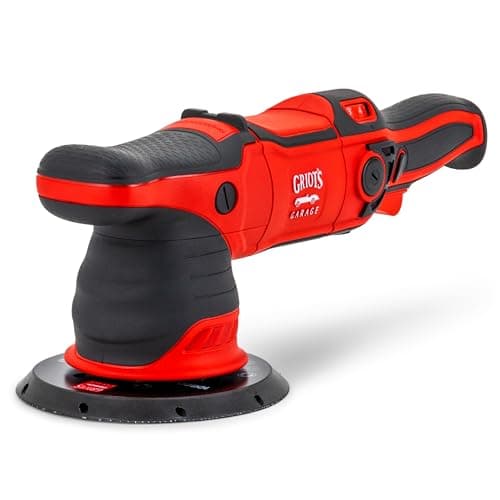
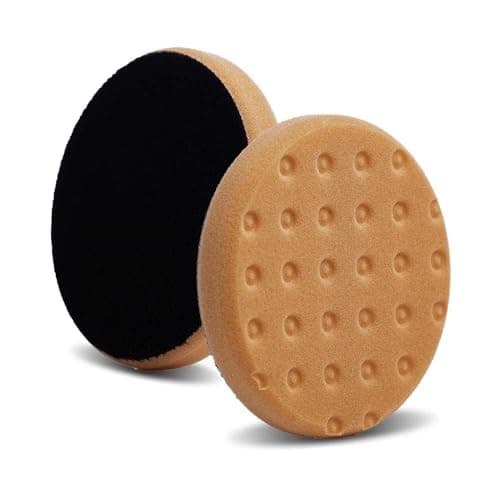
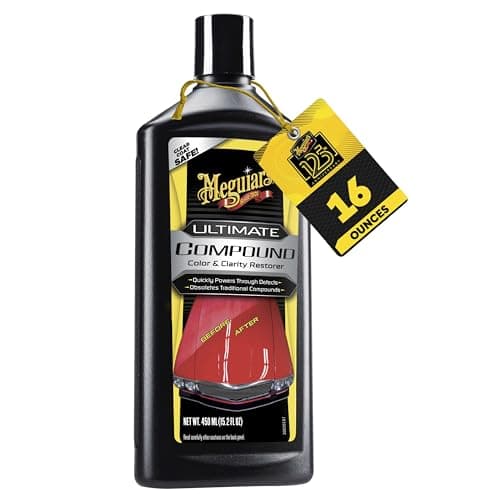
For a first-timer on an average sedan, budget a full day for a one-step and a full weekend for a two-step. Experienced hands cut that substantially, but not by polishing faster — they cut it by not stopping. The machine you use barely moves the number; a long-throw polisher covers a panel in fewer passes but the prep, the pad changes and the inspection do not shrink. If you are assembling a first setup, the Griot's Garage G9 with Lake Country CCS pads and Meguiar's Ultimate Compound is the combination that spends the least time fighting you.

The reason estimates vary so wildly online is that people quote different jobs under the same name. "Paint correction" covers everything from a single polishing pass that takes an afternoon to a multi-stage job with wet sanding that takes a professional several days. The numbers below are divided by what is actually being done.

Where the hours go

StageOne-stepTwo-step
Wash and dry45-60 min45-60 min
Iron removal and clay60-90 min60-90 min
Tape-up and test section30 min30-45 min
Cutting pass—4-6 hrs
Polishing / refining pass3-5 hrs3-5 hrs
Panel wipe and inspection45 min60 min
Protection (wax, sealant or coating)30-90 min30-90 min

Those polishing figures come from the arithmetic of the job rather than from a stopwatch we ran: a sedan divides into roughly 25 to 35 workable two-foot sections, each section takes four to six overlapping passes, and each pass is worked at about an inch per second. Multiply it out and a single stage lands in the three-to-five-hour range before you have cleaned a pad or moved the car. Larger vehicles scale with surface area, not with effort per panel.

Prep is half the job, and it is not optional

Notice that the first three rows add up to two to three hours before any correction starts. That is the part people leave out of their estimates and then run out of daylight on. Polishing over bonded contamination drags it across the paint and marks the panel you are trying to fix, which is why the decontamination steps in do you need to clay bar before polishing come first every time.

The tape-up and test section feel like the most skippable thirty minutes on the list and are the most valuable. A test section tells you whether your pad and compound combination is actually clearing the defects before you commit the whole car to it — and discovering that on the roof after six hours is how a weekend becomes two.

Why a two-step costs so much more than double

A two-step is not two one-steps. Each cutting pass has to be followed by a refining pass on the same panel, which means twice the pad changes, twice the buff-offs, and an inspection between stages rather than only at the end. Pads also saturate faster during cutting, so you spend real time cleaning or swapping them — the reason having spare pads is a time purchase as much as a quality one.

The decision between the two is a condition question rather than a budget one, and it is worked through in what is a cut and polish. If a one-step clears the defects on your test section, there is no reason to do a two-step at all.

What actually makes it faster

  • Spare pads. The single biggest time saver. Stopping to wash and dry a pad mid-job costs twenty minutes every time, and you will do it three or four times without spares.
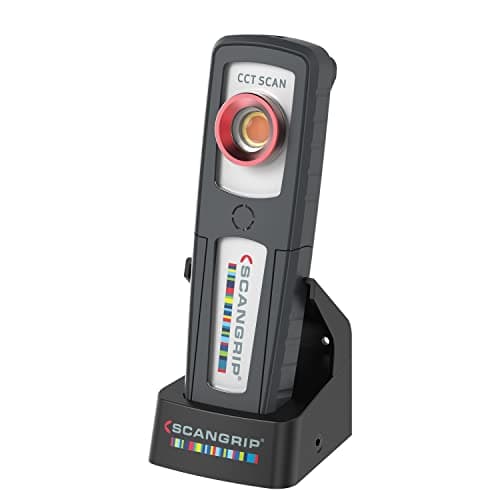
  • A proper inspection light. Not a time saver on paper and a huge one in practice: you stop re-polishing sections you already finished because you could not tell under a garage fluorescent whether they were done.
  • A larger orbit. A 15 mm or 21 mm machine covers a panel in fewer passes than an 8 mm one. It is a real gain, and a smaller one than people expect, because the prep hours do not change — long throw vs short throw puts numbers on the trade.
  • Doing less correction. The fastest correction is the one you stop at 90 percent. The last few percent of defect removal costs the most clear coat and the most hours, and on a daily driver it is rarely the right call.

What does not make it faster: a more aggressive compound (it adds a refining pass), more pressure (it stalls the machine), or working in direct sun (the product flashes before you can work it).

What a shop's timeline means

A detailer quoting "two days" is usually quoting shop days rather than labor hours, and the gap is deliberate — coating cure time, overnight dwell, and the fact that your car is one of several in the bay. A one-step with a sealant is often a same-day job. A two-step with a coating is a car you leave overnight, because the coating needs undisturbed cure time after the last polish. How that converts into money is covered in DIY detailing cost vs a shop.

The short answer

Quick picks

#ProductBest forScorePrice
01
Griot's Garage Griot's Garage G9 Random Orbital Polisher
Griot's Garage G9 Random Orbital Polisher

The dual-action most enthusiasts would tell a beginner to buy: a smooth 9 mm orbit, a strong motor and a lifetime warranty, so it corrects real defects without the wobble cheaper units get under pressure.

A first polisher you won't outgrow
8.8
$179.99Amazon
02
Lake Country Lake Country CCS 5.5" Foam Pads
Lake Country CCS 5.5" Foam Pads

The reference foam pad detailers reach for by default: the CCS dimple pattern meters product and reduces sling, and colors run a consistent, well-documented cut-to-finish scale.

The safe default foam pad on any DA
8.5
$26.76Amazon
03
Meguiar's Meguiar's Ultimate Compound
Meguiar's Ultimate Compound

The compound to start with: clear-coat safe, works by hand or machine, and removes moderate swirls and oxidation while leaving a finish glossy enough that many people skip a follow-up polish.

Most swirl and oxidation removal, by hand or machine
8.6
$13.97Amazon
04
SCANGRIP SCANGRIP SUNMATCH 4 Rechargeable Detailing Light
SCANGRIP SUNMATCH 4 Rechargeable Detailing Light

The light correction shops actually buy: a 500-lumen handheld with switchable color temperatures, so defects that hide under one light source show up under another.

Anyone correcting paint for other people
8.6
$168.41Amazon

#ad · Live prices from the Amazon Product API, as of October 5, 2026. Where we have no verified live price, we show none — we would rather leave a gap than print a number that has rotted.

In detail

The picks, in full

01
Griot's Garage Griot's Garage G9 Random Orbital Polisher

A first polisher you won't outgrow

Griot's Garage G9 Random Orbital Polisher

9 mm orbit1000 W motor6-speed dialLifetime warranty
8.8/10

The dual-action most enthusiasts would tell a beginner to buy: a smooth 9 mm orbit, a strong motor and a lifetime warranty, so it corrects real defects without the wobble cheaper units get under pressure.

Ergonomics
8.8
Correction power
8.6
Beginner-safe
9.2
Value
8.4

Pros

  • Enough torque to hold speed under pad pressure, where budget DAs bog down
  • Longer 9 mm orbit corrects faster than the old 5 mm entry tools
  • Griot's lifetime warranty is genuinely lifetime

Cons

  • Heavier than a bare-bones DA
  • Pads and compounds sold separately

Don't buy this if…

…you only ever want to apply a spray coating — a cheaper spot polisher is plenty.

$179.99View on Amazon

Price as of October 5, 2026. Prices change — Amazon's is the one that counts.

#ad · we may earn a commission from this link to Griot's Garage G9 Random Orbital Polisher

02
Lake Country Lake Country CCS 5.5" Foam Pads

The safe default foam pad on any DA

Lake Country CCS 5.5" Foam Pads

5.5 inCCS dimpled foamColor-coded cutDA/rotary
8.5/10

The reference foam pad detailers reach for by default: the CCS dimple pattern meters product and reduces sling, and colors run a consistent, well-documented cut-to-finish scale.

Cut range
8.6
Durability
8.2
Finish quality
8.8
Value
8.2

Pros

  • CCS dimples hold product and cut sling and hopping
  • Color-to-aggressiveness scale is consistent and documented
  • Widely available in every cut level

Cons

  • Sold per-pair, so a full set adds up
  • Foam wears faster than microfiber on heavy cut

Don't buy this if…

…you want maximum cut in one pass — a microfiber cutting pad removes more, faster.

$26.76View on Amazon

Price as of October 5, 2026. Prices change — Amazon's is the one that counts.

#ad · we may earn a commission from this link to Lake Country CCS 5.5" Foam Pads

03
Meguiar's Meguiar's Ultimate Compound

Most swirl and oxidation removal, by hand or machine

Meguiar's Ultimate Compound

Clear-coat safeHand or machineNo fillers15.2 oz
8.6/10

The compound to start with: clear-coat safe, works by hand or machine, and removes moderate swirls and oxidation while leaving a finish glossy enough that many people skip a follow-up polish.

Cutting power
7.6
Finishing ability
8.6
Ease of use
9
Value
9

Pros

  • Genuinely clear-coat safe and beginner-forgiving
  • Corrects moderate defects yet finishes down glossy
  • Works by hand when you don't have a machine

Cons

  • Not aggressive enough for deep scratches or heavy oxidation
  • Best results still need a machine

Don't buy this if…

…your paint has heavy sanding marks or severe oxidation — step up to a dedicated cutting compound.

$13.97View on Amazon

Price as of October 5, 2026. Prices change — Amazon's is the one that counts.

#ad · we may earn a commission from this link to Meguiar's Ultimate Compound

04
SCANGRIP SCANGRIP SUNMATCH 4 Rechargeable Detailing Light

Anyone correcting paint for other people

SCANGRIP SUNMATCH 4 Rechargeable Detailing Light

500 lumensSwitchable color tempsRechargeableHandheld body
8.6/10

The light correction shops actually buy: a 500-lumen handheld with switchable color temperatures, so defects that hide under one light source show up under another.

Defect visibility
9.4
Color accuracy
9.4
Build & runtime
9
Value
6.4

Pros

  • Switchable color temperature reveals defects a single-temperature light misses
  • Built to survive a working detail bay, not a glovebox
  • The reference point everything cheaper gets compared against

Cons

  • Costs more than most people's entire polisher
  • 500 lumens is deliberately moderate — this is not a work floodlight

Don't buy this if…

…you correct your own car twice a year — a cheap swirl-finder torch tells you the same thing.

$168.41View on Amazon

Price as of October 5, 2026. Prices change — Amazon's is the one that counts.

#ad · we may earn a commission from this link to SCANGRIP SUNMATCH 4 Rechargeable Detailing Light

Planning a correction that finishes

Split it across two days deliberately

Prep on day one, correct on day two. Decontamination is the part that tolerates being interrupted, and starting a polishing stage with a full day ahead of you is how you avoid rushing the last three panels — which are always the ones that look rushed.

Buy pads by the job, not by the grade

Three or four pads of each grade you are using, not one of every grade in the catalog. Running out of clean pads mid-panel is the most common reason a correction stops early, and the fix costs less than the machine did.

Set the light up before you start

Judging a pass under ambient garage light means re-doing sections you already finished. A handheld inspection light with switchable color temperatures is what the trade buys for exactly this reason, and the field is ranked in best detailing light for paint correction.

Decide the finish standard in advance

"Perfect" has no end point and "no swirls visible in sunlight" does. Writing down which one you are aiming for before you start is the difference between finishing on Sunday and still polishing the hood on Monday.

Count the protection step into the day

A wax is thirty minutes. A coating is an hour of application plus a cure window where the car cannot get wet, and it has to happen after the last polish rather than the next weekend — the sequencing is in how to polish a car before a ceramic coating.
How we picked

We do not run a testing lab

We compiled published specifications, manufacturer data sheets and aggregated owner reviews, computed the cost of ownership from real sizes and coverage, then scored each product against a published rubric. The scores are judgments from documented research — they are not measurements we took, because we do not own a lab and we are not going to pretend we do. Where a number came from someone else, we name them and link them in Sources.

Questions

Frequently asked

How long does a one-step paint correction take?
Plan on a full day for an average sedan, including wash, decontamination, tape-up, the polishing stage and protection. The polishing itself is roughly three to five hours; the prep before it is another two to three.
How long does a two-step paint correction take?
A weekend for a first-timer. The cutting stage adds four to six hours on its own, and because every cut pass needs a refining pass on the same panel, it also doubles the pad changes and buff-offs rather than simply adding a second stage.
Why do shops quote paint correction in days?
Because a shop day includes cure time and queue time, not just labor. A one-step finished with a sealant is often same-day work; a two-step finished with a ceramic coating needs the car to sit undisturbed while the coating cures.
Does a more expensive polisher make correction faster?
A little. A longer-orbit machine covers each panel in fewer passes, which shortens the polishing stage but does nothing to the prep, the pad changes or the inspection — and those are roughly half the clock.
How long does paint correction take on a truck or SUV?
It scales with surface area rather than with difficulty. A large SUV or a crew-cab truck has materially more panel than a sedan, so add roughly half again to the polishing stages; the prep grows by less because much of it is per-car rather than per-panel.
Can you do paint correction in one afternoon?
Only a single panel, or a one-step on a small car whose prep is already done. Starting the wash and expecting to finish a corrected, protected car before dark is the plan that produces three good panels and a rushed roof.

Keep reading

Receipts

Sources

We do not run a testing lab, and we do not pretend to. Where a measured number came from someone else's lab, we name them and link them. Where we could not verify something, we say so on the page rather than quietly leaving it out. Read our full method.