Every article about waxing dark paint is about hiding and preventing swirls. White paint has the exact opposite problem, and applying dark-paint advice to it is why so many people conclude their white car just does not respond to detailing.
Swirls on white paint are effectively invisible — there is not enough contrast between the scratch and the surrounding surface for your eye to pick them out. What white paint shows instead is dullness and staining: a slightly gray, slightly yellow cast, water spots that stand out like chalk marks, and road film that dark paint hides completely. So a wax for white paint is judged on entirely different criteria.
Why cleaner waxes win here
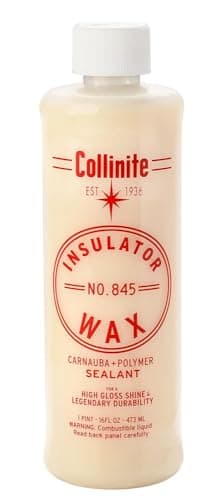
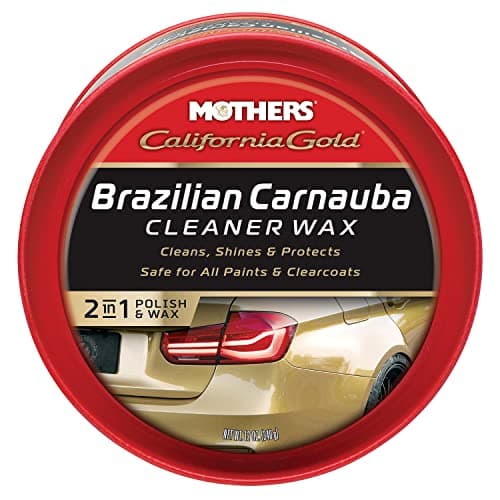
A cleaner wax contains mild abrasives and chemical cleaners alongside the protective ingredients. On dark paint that is a compromise — the cleaning is too mild to correct properly and the abrasives are unnecessary once the paint is corrected. On white paint it is exactly right, because the problem is a surface layer of oxidation, staining and embedded film rather than scratches.
The effect on a dull white car is more dramatic than on any other color: the panel goes from flat gray-white to bright, and the wax then seals what it just cleaned. That is why a cleaner wax wins this page and would not win the general wax roundup.
Yellowing, and what actually causes it
White paint yellows for several reasons, and only one of them is fixable with wax. UV degradation of the clear coat is real and permanent. Embedded contamination, road film and old wax residue are not permanent, and account for most of what people call yellowing.
The test is simple: decontaminate a small area properly with an iron remover and a clay bar, then look at it beside an untreated section. If the treated area is noticeably whiter, the problem was contamination and a cleaner wax will keep it that way. If it looks the same, the clear coat itself has degraded and you are looking at correction or a repaint.
Water spots are the recurring enemy
On white paint, mineral deposits from hard water dry into visible chalky rings that dark paint mostly hides. Any wax reduces them, but the more relevant property is how easily water leaves the panel in the first place — a slick, hydrophobic surface sheets water off before it can sit and evaporate.
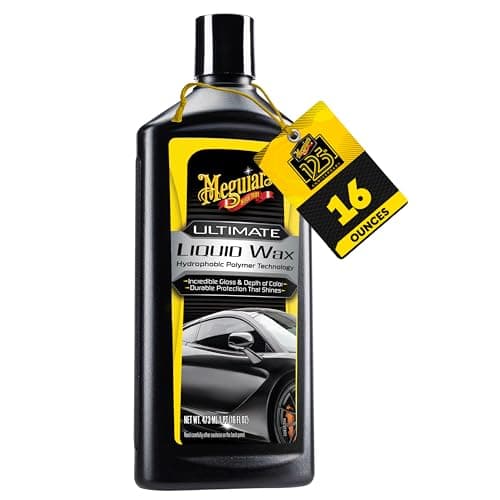
That is the argument for including a synthetic and an SiO2-infused product on this page rather than five carnaubas. The trade-off is the look: synthetics give a cooler, glassier reflection, and carnauba gives warmth. On white paint, most of that warmth is invisible anyway, which makes the synthetic penalty much smaller here than it would be on black. The full comparison is in carnauba vs synthetic wax.
What white paint does not need
It does not need an aggressive correction regime. If your paint has no visible defects from three feet away in the sun, polishing it removes clear coat for a benefit you cannot see. Wash, decontaminate, use a cleaner wax, and spend the saved time on the wheels and glass — which is where a white car actually looks neglected. If you do want a machine pass, a mild one-step from our polishing compound picks is as far as this color needs to go.
How to choose a wax for white paint
Rank on cleaning ability first, stain and water-spot resistance second, durability third, and depth of gloss last. That is nearly the reverse of the priority order for black paint.
Cleaner wax or pure wax?
- Cleaner wax — mild abrasives plus protection. The right default for white paint that has gone dull. It brightens visibly and seals in one pass.
- Pure wax or sealant — protection only. The right choice immediately after a machine polish, or on a new car where there is nothing to clean off.
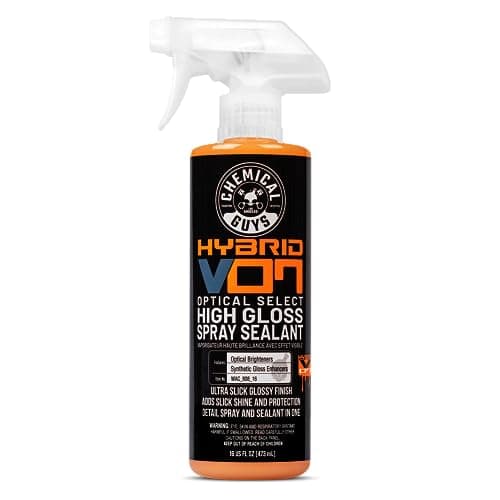
Do not use a cleaner wax every month. Its abrasives are mild but not nothing, and there is no reason to keep abrading paint that is already clean. Twice a year is plenty; use a pure wax or a spray sealant in between.
Durability against the sun
A white car is not immune to UV — the clear coat above the white is the same clear coat as on any other car, and it degrades the same way. If the car lives outdoors, durability matters more than look, and the picks in best car wax for UV protection are the more appropriate list.
Application matters less here
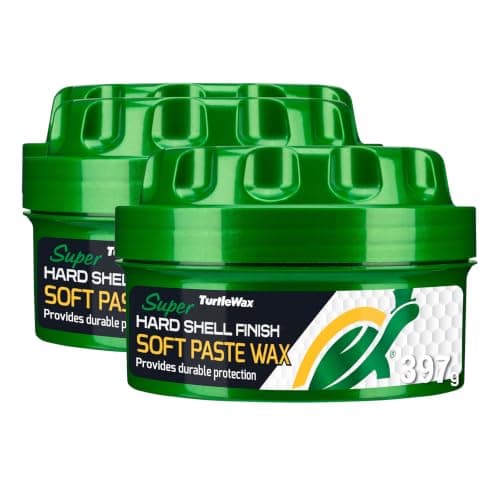
One genuine advantage of white paint: application marring is far less visible. A slightly imperfect applicator, an extra pass with a towel, buffing off a wax that has set a little too hard — all things that show as fine haze on black are invisible here. That makes white paint far more forgiving to work on, and it is why paste waxes with a reputation for being hard work are perfectly reasonable choices on a white car.
Watch the trim
The one thing that does show on a white car is wax residue on black plastic trim. A paste wax that chalks white in a trim seam is glaringly obvious against the surrounding paint. Either tape the trim, use a product formulated not to stain plastic, or keep a soft brush handy for the seams before the wax fully dries.
The maintenance rhythm
Wash more often than a dark-car owner would, because road film is what actually dulls white paint, and it builds up long before you would notice it on black. Two thorough washes for every wax application is a reasonable rhythm, and how often to wax a car covers how to tell when the protection is genuinely gone rather than guessing.