Skip to content
Pad & Polish

GUIDES · Guides

How to Wax a Car by Hand

Waxing is the one job in car care that hands do as well as machines. Here is the method, and the four mistakes that make it look worse than not waxing.

By Stephen V.Updated How we research
#ad

We earn a commission when you buy through our Amazon links, at no extra cost to you. It never affects our rankings, and we say so when the cheaper product is the better buy. How this works.

Waxing is genuinely the one step in this whole process where doing it by hand costs you nothing. A machine spreads wax faster and with less arm-ache, but it does not spread it better — wax is not being worked into the paint, it is being laid on top of it, and a hand applicator does that perfectly well. If you only ever do one detailing job by hand, this is the one to keep.

What does matter is what is underneath. Wax adds a clear layer over whatever the paint currently looks like; it removes nothing. Waxing over a dirty or contaminated panel seals the contamination in, and waxing over swirls hides them for about a fortnight. If the paint needs correction, that comes first — car wax vs polish covers the order.

Prepare properly, or do not bother

  1. Wash and dry. A proper two-bucket wash with a pH-neutral shampoo, dried with a plush towel. Any grit left on the panel gets dragged around by the applicator.
  2. Check for bonded contamination. Slide a hand in a thin plastic bag across the paint. If it feels gritty rather than glassy, clay it first — see how to clay bar a car.
  3. Work in shade, on cool paint. Wax on a hot panel flashes almost instantly and becomes miserable to remove. Early morning or a garage.
  4. Have enough clean microfibers. Two or three plush towels minimum, and a towel that has been used for compound never touches wax.

The method

  1. Load the applicator lightly. A paste wax needs the pad wiped across the surface of the tin once, not pressed into it. A liquid needs three or four small drops. Almost everyone uses several times too much.
  2. Thin, even coats. This is the entire technique. A thin coat protects exactly as well as a thick one and buffs off in a quarter of the time. A thick coat is wasted product that becomes a streaking problem.
  3. One panel at a time. Half a bonnet, one door. Waxing the whole car before buffing any of it is how people end up scrubbing cured wax off a roof.
  4. Overlapping straight passes. Circles are traditional and they are also how you leave a circular pattern if there is any grit at all on the pad.
  5. Keep it off the trim. Wax dries white in textured black plastic and is genuinely annoying to remove. Tape narrow trim, or apply carefully and wipe immediately if you catch an edge.
  6. Let it haze, then check with the swipe test. Drag a finger lightly across the waxed area. If it wipes clear and leaves no smear, it is ready to buff. If it smears, give it another minute.
  7. Buff off with a clean, plush microfiber, folded into quarters. Turn to a fresh face as soon as it starts to load. A saturated towel spreads wax instead of removing it — that is what most streaking actually is.
  8. Final pass with a second, completely dry towel. Light pressure. This is the pass that produces the gloss.

The four mistakes

Too much product. The most common by a wide margin. It does not protect better, it costs more, and it makes buffing off three times the work.

Waxing in direct sun. The wax flashes before you have finished the panel and bakes on. Shade, always.

Leaving it too long. Especially with harder paste waxes and polymer products, which set firm. Use the swipe test rather than the clock.

Buffing with a loaded towel. Once a towel is full of removed wax, it smears rather than removes. Fold in quarters, turn often, and have a spare.

Two coats, or one?

A second coat adds very little on most modern waxes, because the first has already bonded to the paint and the second largely bonds to the first. If you do apply one, leave a proper interval — an hour or so, or overnight for the harder waxes — so the first has fully cured. One well-applied thin coat beats two rushed ones every time.

How often

Let the water tell you. When it stops beading and starts lying flat on the panel, the protection has gone. Carnauba waxes typically last weeks to a couple of months; synthetic sealants stretch to several months. See how often to wax a car for what shortens it.

And if the frequency starts to annoy you, that is the argument for a sealant or a ceramic coating — the same protection job on a much longer interval.

The short answer

Quick picks

#ProductBest forScorePrice
01
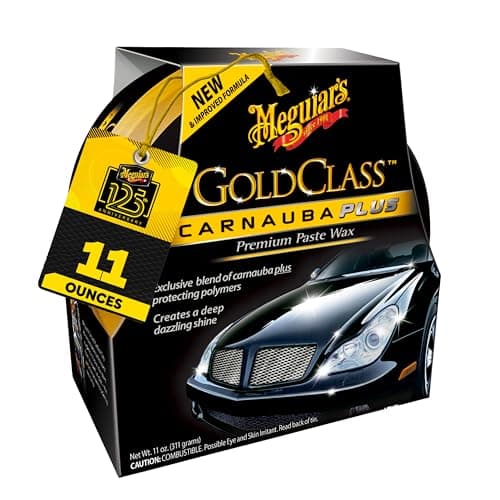
Meguiar's Meguiar's Gold Class Carnauba Plus Paste Wax
Meguiar's Gold Class Carnauba Plus Paste Wax

A carnauba paste that gives that warm, wet traditional glow while staying beginner-easy to apply and remove — the classic first paste wax, and still a good one.

A warm carnauba glow that's easy to apply
8.3
$15.57Amazon
02
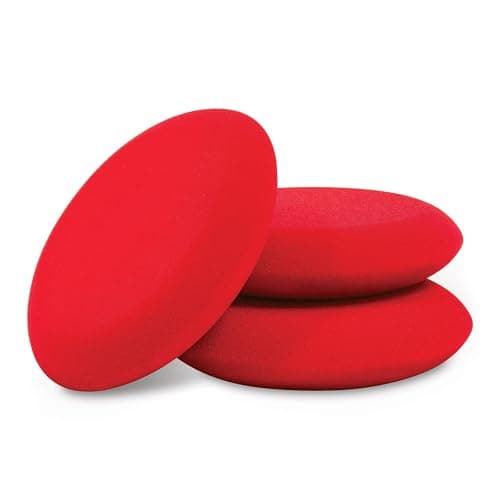
Griot's Garage Griot's Garage Hand Wax Applicators (Set of 3)
Griot's Garage Hand Wax Applicators (Set of 3)

Thicker, deeper foam than the flat rounds, with enough body to grip properly — the difference shows on a long panel, where a thin applicator leaves your fingertips doing the pressure control.

Waxing a whole car by hand without hand fatigue
8.8
$10.53Amazon
03
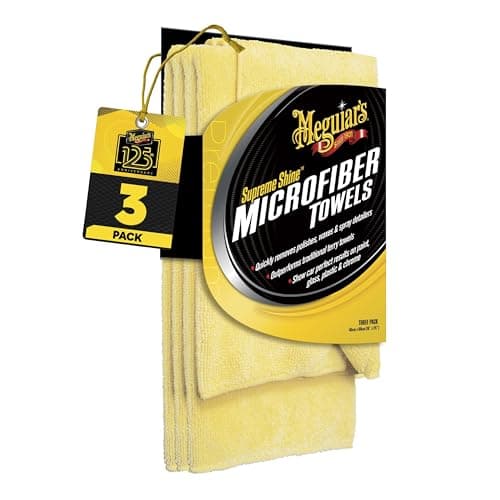
Meguiar's Meguiar's Supreme Shine Microfiber Towels
Meguiar's Supreme Shine Microfiber Towels

The mid-priced middle ground: plusher than a bulk cleaning cloth, cheaper than a boutique edgeless towel, and stocked in every auto-parts store when you need one today.

A safe, affordable towel for wax buff-off
8.1
$11.73Amazon

#ad · Live prices from the Amazon Product API, as of Sep 4, 2026. Where we have no verified live price, we show none — we would rather leave a gap than print a number that has rotted.

In detail

The picks, in full

01
Meguiar's Meguiar's Gold Class Carnauba Plus Paste Wax

A warm carnauba glow that's easy to apply

Meguiar's Gold Class Carnauba Plus Paste Wax

Carnauba blendPasteEasy on/offWarm gloss
8.3/10

A carnauba paste that gives that warm, wet traditional glow while staying beginner-easy to apply and remove — the classic first paste wax, and still a good one.

Durability
7
Looks & warmth
8.8
Ease of use
8.6
Value
8.6

Pros

  • Warm, wet carnauba look
  • Very forgiving to apply and buff
  • Widely available and affordable

Cons

  • Carnauba durability is weeks, not months
  • Paste is slower to apply than a liquid

Don't buy this if…

you want to wax once and forget it for a season — a polymer sealant lasts far longer.

$15.57View on Amazon

Price as of Sep 4, 2026. Prices change — Amazon's is the one that counts.

#ad · we may earn a commission from this link to Meguiar's Gold Class Carnauba Plus Paste Wax

02
Griot's Garage Griot's Garage Hand Wax Applicators (Set of 3)

Waxing a whole car by hand without hand fatigue

Griot's Garage Hand Wax Applicators (Set of 3)

Set of 3Deep foam bodyMachine washableWaxes, polishes, dressings
8.8/10

Thicker, deeper foam than the flat rounds, with enough body to grip properly — the difference shows on a long panel, where a thin applicator leaves your fingertips doing the pressure control.

Application evenness
8.8
Comfort
9
Durability
8.8
Value
8.4

Pros

  • Thick enough to hold comfortably through a full car
  • Even pressure across the face, so wax goes on in a consistent film
  • Machine washable and genuinely long-lived

Cons

  • Costs roughly twice what the basic foam rounds do
  • Bulky in tight spaces like mirror bases

Don't buy this if…

you only ever wax one panel at a time — the cheap flat rounds are fine there.

$10.53View on Amazon

$15.7833% off

Price as of Sep 4, 2026. Prices change — Amazon's is the one that counts.

#ad · we may earn a commission from this link to Griot's Garage Hand Wax Applicators (Set of 3)

03
Meguiar's Meguiar's Supreme Shine Microfiber Towels

A safe, affordable towel for wax buff-off

Meguiar's Supreme Shine Microfiber Towels

3-pack16 x 16 inPlush pileWax and sealant buff-off
8.1/10

The mid-priced middle ground: plusher than a bulk cleaning cloth, cheaper than a boutique edgeless towel, and stocked in every auto-parts store when you need one today.

Absorbency
8
Plushness
8
Durability
8
Value
8.4

Pros

  • Plush enough for paint without boutique pricing
  • Available almost anywhere, including physically in stores
  • Holds up well to repeated washing

Cons

  • Stitched border is a marring risk that edgeless towels do not have
  • Only three towels per pack

Don't buy this if…

you are buffing a fresh coating off black paint — go edgeless for that step.

$11.73View on Amazon

$12.708% off

Price as of Sep 4, 2026. Prices change — Amazon's is the one that counts.

#ad · we may earn a commission from this link to Meguiar's Supreme Shine Microfiber Towels

How we picked

We do not run a testing lab

We compiled published specifications, manufacturer data sheets and aggregated owner reviews, computed the cost of ownership from real sizes and coverage, then scored each product against a published rubric. The scores are judgments from documented research — they are not measurements we took, because we do not own a lab and we are not going to pretend we do. Where a number came from someone else, we name them and link them in Sources.

Questions

Frequently asked

How do you wax a car by hand without leaving streaks?
Apply thin coats, work one panel at a time out of direct sun, use the swipe test to check it has hazed before buffing, and buff with a clean plush microfiber folded in quarters — turning to a fresh face as soon as it loads up.
How much wax should you use?
Far less than most people do. A paste wax needs the applicator wiped across the surface of the tin once; a liquid needs three or four small drops per panel. A thin coat protects exactly as well as a thick one and buffs off far more easily.
How long should you leave wax on before buffing?
Until it hazes, then use the swipe test — drag a finger across it, and if it wipes clear without smearing it is ready. Timing varies with temperature, humidity and product, so the test is more reliable than the clock.
Is waxing by hand as good as by machine?
For applying wax, effectively yes. Wax is laid on top of the paint rather than worked into it, so a hand applicator does the job as well as a machine — a machine is faster and easier on your arms, not better.
Do you need two coats of wax?
Usually not. The first coat bonds to the paint and a second largely bonds to the first, adding little. If you do apply a second, let the first cure fully — an hour at minimum, overnight for harder paste waxes.
How do you get dried wax out of black trim?
A dedicated trim cleaner or a soft detailing brush with a little all-purpose cleaner. Prevention is easier: tape narrow trim before you start, or wipe any overlap off immediately while it is still wet.

Keep reading

Receipts

Sources

We do not run a testing lab, and we do not pretend to. Where a measured number came from someone else's lab, we name them and link them. Where we could not verify something, we say so on the page rather than quietly leaving it out. Read our full method.