A ceramic coating is not a finish-and-forget product, and almost everyone who is disappointed by one was told it was. What a coating actually does is make maintenance dramatically easier and more forgiving — dirt releases with less effort, contamination bonds less readily, and the paint stays glossy with a fraction of the work. What it does not do is survive indifference. The coatings that reach their advertised life are the ones that got washed properly.
The good news is that the routine is genuinely simple, and cheaper in both time and money than waxing. Here it is.
Wash every two weeks, properly
Frequency matters less than method, but a fortnightly wash keeps contamination from bonding in the first place, which is the entire point of the coating. Longer than about a month in dirty conditions and you start relying on the coating to fight things it would rather not have to.
- Rinse first, thoroughly. Every particle you remove before a mitt touches the car is a particle that cannot scratch it. A coating resists marring; it does not make grit harmless.
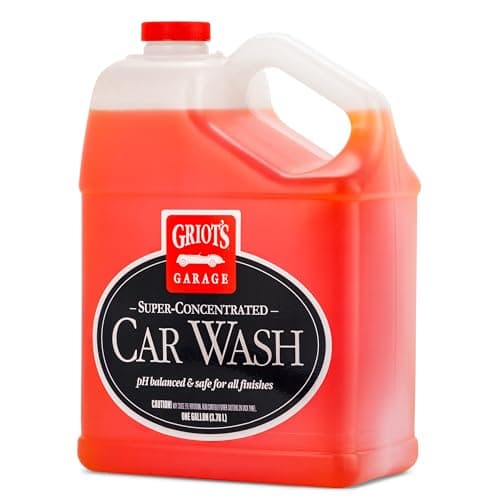
- Use a pH-neutral, coating-safe shampoo. Not a strip wash, not household detergent, not dish soap. Degreasers are designed to remove protection, and they will happily start on yours.
- Two buckets, both with grit guards. One with shampoo, one with clean rinse water for the mitt. Almost all wash-induced swirls come from putting a dirty mitt back onto paint.
- Top down, straight lines. Wheels and lower panels last, with a separate mitt. Straight passes rather than circles, so any mark you do introduce is far less visible.
- Dry with a plush microfiber or a blower. A coating sheets water well, so there is much less to remove than on uncoated paint. A drying aid or a light detail spray adds lubrication for the towel — see the detail spray picks.
Soap choice is the decision people get wrong
A coating-safe shampoo does two things: it cleans without stripping, and it rinses cleanly enough that nothing is left sitting on the coating to dull it. Several brands state explicitly that their shampoo will not strip waxes, sealants or coatings — that sentence on the label is what you are shopping for.
What to avoid: dish soap (a degreaser, and it will shorten a coating's life), wash-and-wax products (they leave a film that masks the coating's own behavior), and any shampoo sold as a "strip" or "prep" wash. The wider field is ranked in best car wash soap for detailing.
Topping: what it does and when
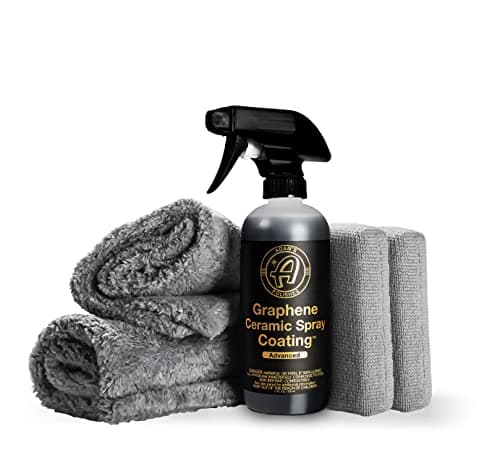
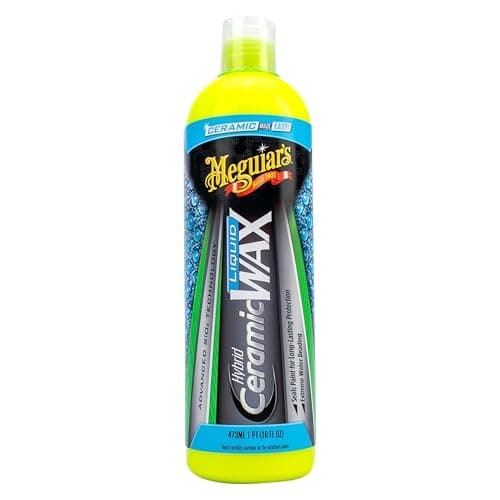
A SiO2 topper or ceramic spray applied over a cured coating restores the slick, sheeting water behavior that makes a coated car pleasant to own, and it adds a thin sacrificial layer that takes wear instead of the coating itself. It is the single highest-value maintenance habit there is.
Every few months, or whenever water stops sheeting the way it used to, is a sensible rhythm. Apply it to a clean, dry car, work panel by panel, and buff it off — it is a twenty-minute job, not an afternoon. This is also the correct direction for layering: durable coating underneath, sacrificial layer on top. The reverse does not work, for reasons covered in can you apply ceramic coating over wax.
Decontaminate once or twice a year
Coatings resist bonded contamination; they do not make the car immune to it. Iron particles from brake dust and rail dust still land, and over a year they embed. An iron remover, used a couple of times a year, dissolves them chemically without touching the coating — spray it on, let it turn purple as it reacts, rinse it off.
Claying a coated car is a different matter and mostly a mistake. Clay is mildly abrasive and will thin the coating. If the paint genuinely feels rough after chemical decontamination, use the least aggressive clay option available and accept you are spending coating life to do it — clay bar alternatives covers the gentler options.
The four habits that kill coatings early
- Automatic car washes with brushes. Spinning brushes put in fine marring faster than any coating can resist. Touchless washes are survivable occasionally, but their chemicals are usually harsh and high-pH.
- Letting bird droppings and bug residue sit. Both are acidic and both will etch through a coating given a hot day. Carry a detail spray and a towel; deal with them the same day.
- Washing in direct sun. Water evaporates before you can dry it and leaves mineral deposits sitting on the coating — water spots that then need mechanical removal.
- Reaching for the wrong soap. A single wash with dish soap will not destroy a coating, but making it your routine reliably shortens one.
Water spots, the coated-car problem
Ironically, the better a coating sheets water, the more concentrated the droplets that do stay behind are. If those dry in sun, the minerals bake onto the surface. Prevention is the entire strategy: dry the car rather than letting it air dry, do not wash in direct sunlight, and keep it out of sprinkler range.
If spots have already formed, start with a dedicated water spot remover or a diluted vinegar solution on a cool panel, and only escalate to machine polishing if that fails — because polishing removes coating along with the spot, and then that panel needs recoating.
Knowing when it is finished
Coatings do not fail suddenly; they fade. The signal is behavioral rather than visual: water that used to sheet off now sits in flat sheets and dries on the paint, the surface stops feeling slick under a towel, and dirt takes more effort to release than it used to. When topping no longer restores that behavior for more than a wash or two, the coating has worn through and it is time to prep and reapply.
Expected service life and what shortens it are covered in how long does ceramic coating last.
When it genuinely is finished, do not coat over it. A new coating bonds to whatever is underneath, so applying one on top of a dying layer inherits the dying layer's condition and its remaining life. How to remove a ceramic coating walks through the strip-and-polish sequence, and its first section is a check worth running before you commit to any of it — a great many coatings that look dead are simply contaminated.
One thing not to add to the routine above is a carnauba wax. Can you wax over a ceramic coating covers why it flattens the beading you are maintaining, and which cleaner-wax products on the same shelf genuinely do remove coating.
One thing worth adding is the glass. The windshield is the only surface on the car where a coating changes how you drive rather than how the car looks, it wears out on a completely different schedule from the paint, and it needs its own chemistry — best windshield coating ranks the field and explains why a paint coating must never go on a screen.