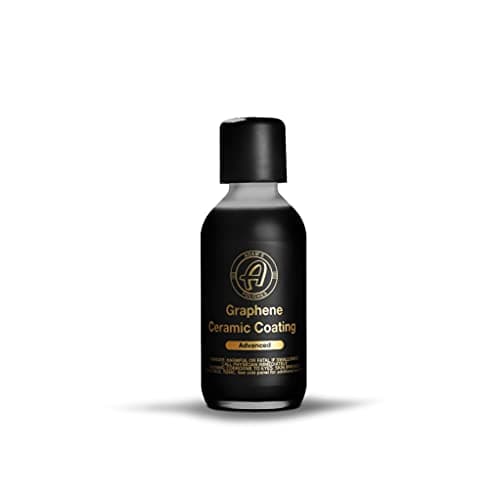
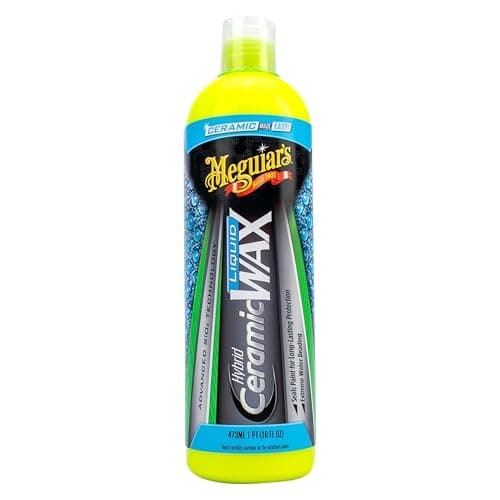
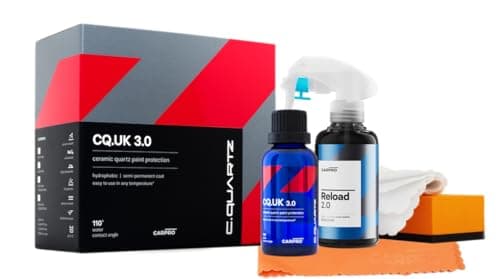
CQuartz UK 3.0 is the coating that keeps getting recommended to people attempting their first serious install, and unusually for a consensus pick, the reasoning is specific rather than tribal. It is a genuine bonded SiO2 coating with a longer, more forgiving working window than most, sold in a kit sized for one car. That combination is why it appears in so many first-timer threads.
The disclosure first: we have not run this coating against a gloss meter or a salt-spray cabinet, and we have not aged panels side by side for two years, because we do not operate a lab and are not going to imply otherwise. What follows is built from CarPro's published data, the chemistry those specifications imply, and the patterns in aggregated owner reporting. Our method is on how we research.
What the "UK" in the name means
It refers to the formulation, not the market. CarPro produces variants tuned to different ambient conditions, and the UK version is the cooler, damper-climate formulation — which in practice means it flashes and cures more slowly than the warm-climate variants. That matters far more than the name suggests, because the working window is the single thing most likely to defeat a first-time installer.
A coating that flashes fast punishes hesitation: you apply a section, get distracted checking a reflection, and the product has hardened into a high spot that now needs polishing off. A slower window gives you time to level properly. That forgiveness is the main practical reason to choose this coating over a nominally similar one — and it is why UK 3.0 holds its place among the professional-grade coatings you can actually buy, where the installer-only CQuartz Professional and Finest Reserve cannot appear at all.
The install, honestly described
This is not a spray-and-wipe product, and pretending otherwise does new buyers a disservice. A proper install means washing, chemically decontaminating with an iron remover, claying if the paint is still rough, correcting whatever defects you want gone permanently, then a panel wipe to strip the polishing oils, then panel-by-panel application with a suede-wrapped applicator, leveled within the working window, followed by a cure period where the car stays dry.
Realistically that is a full weekend for a first attempt on an average car, and most of it is preparation rather than coating. Anyone who tells you it is a two-hour job is either skipping the correction or skipping the decontamination, and both show up later as a coating that fails early. The sequence in full is in how to apply ceramic coating.
What you are actually buying
Not gloss, primarily. A properly corrected panel is already glossy; the coating adds a hardness and a slickness on top of that, plus a marked change in how water behaves.
What you are buying is easier maintenance for years. A coated car holds less dirt, releases what it does hold with far less agitation, and dries faster because water sheets rather than clinging. Over a two- or three-year horizon that is a lot of Saturday mornings, and it is the honest case for the product — much stronger than the day-one photographs everyone posts.
Where it disappoints
Three places. First, it is unforgiving of prep failures: a coating over polishing oils bonds to the oils and can be gone in months. Second, high spots are real and they are your problem — an unleveled patch that cures is a machine-polishing job, not a wipe-off. Third, it locks in whatever the paint looked like on install day. Coating over swirls protects the swirls, and getting rid of them later means polishing the coating off first.
None of these are flaws in the product. They are the cost of the durability, and they apply to every real coating. But they are the reason a well-applied paint sealant genuinely beats a rushed coating install.
Who should buy something else
Buy the graphene coating ranked second below if you want a similarly serious install with a slightly different chemistry and a longer manufacturer durability claim — the comparison is laid out in ceramic coating vs graphene.
Buy the hybrid liquid ranked third if you want most of the water behavior with none of the risk: no cure window, no high spots, no correction prerequisite, and re-application when you feel like it. If you park outside, wash at a coin-op, lease the car, or cannot guarantee a dry weekend, that is not a compromise — it is the correct product, and the full argument is in ceramic coating vs sealant.
The verdict
CQuartz UK 3.0 is the coating to choose if you have decided to do the job properly and want the widest margin for error while you learn. Its longer working window is a genuine beginner advantage, and its reputation is earned rather than inherited. It is not the product to buy if the honest answer to "will I correct the paint and keep the car dry for the cure period?" is no — in which case you want a sealant or a hybrid, and there is no shame in that at all.