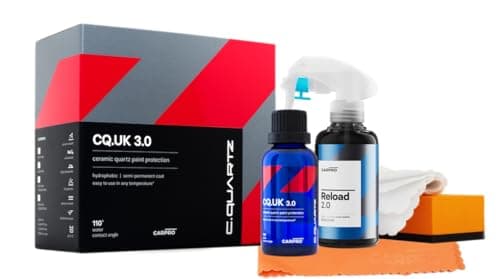
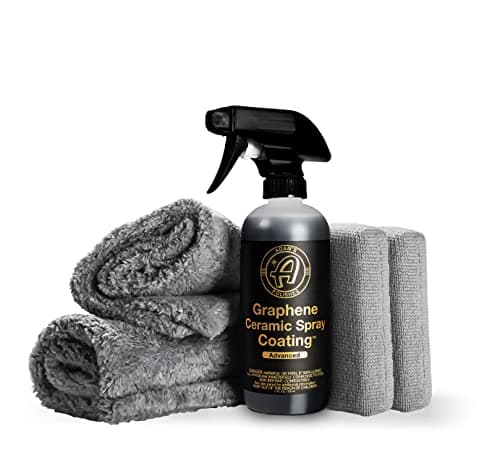
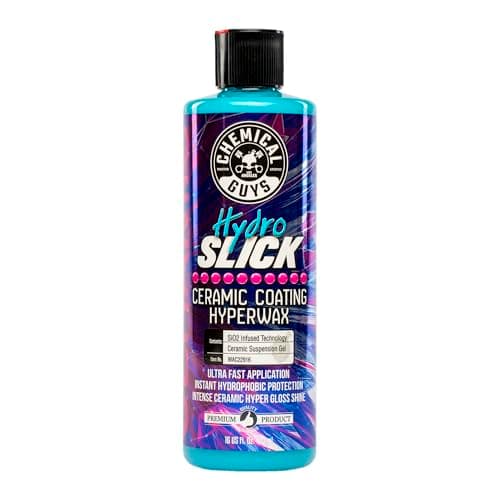
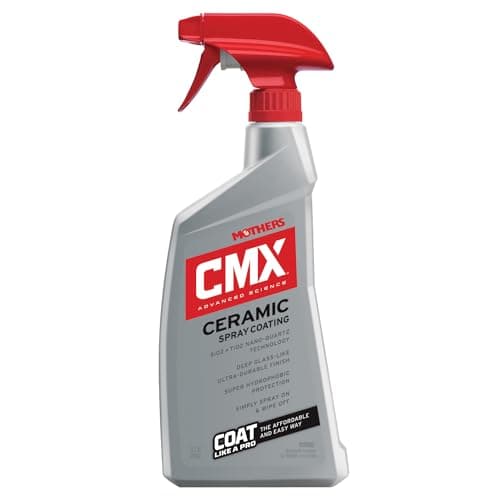
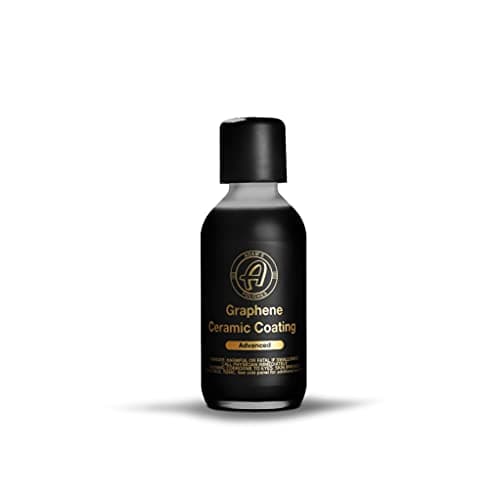
Black paint is the reason ceramic coatings sell. Nothing else in car care produces that wet, liquid depth on a dark car, and no wax gets close to holding it for years rather than weeks. Black is also the paint that punishes a coating application more than any other color, because every high spot, streak and missed section is visible from across a parking lot in a way it simply is not on silver.
So the ranking criteria change for dark paint. Raw durability still matters, but two other things move up the list: how forgiving the product is during the leveling window, and how it handles standing water. The wash, dry and correction changes that get you to a coatable black panel in the first place are in how to detail a black car. Both are the difference between a black car that looks extraordinary and one that looks extraordinary except for the streak across the trunk lid that you cannot now remove without polishing it off.
The coating cannot fix what is underneath it
This is the single most expensive lesson in coating a dark car. A coating is optically clear and locks in the surface it bonds to. Every swirl mark, every bit of marring, every hologram is still there afterwards — now sealed under a hard layer with a multi-year lifespan, and only removable by polishing the coating off and starting again.
On a light-colored car you might get away with it. On black you will not, because black is exactly the paint that shows those defects. Correct first. Our black-paint compound guide covers the correction stage, and the alcohol wipe-down before coating is not optional — it is how you find out whether you actually corrected the paint or just filled it with polishing oils.
High spots are the black-car failure mode
A high spot is coating that was not leveled off before it cured — a streak or smear left sitting proud of the surface. On black they show as an obvious dull or rainbow-edged patch, and once cured the fix is mechanical: polish it off and re-coat that panel.
Two things prevent them. Work in small sections under bright, raking light so you can actually see the coating flash and level, and choose a product with a longer, more tolerant working window. That second point is why the ranking below is not identical to our general coating roundup: forgiveness is worth more on dark paint than the last few months of stated durability.
Water spots, and why sheeting beats beading here
Tight beading photographs beautifully and, on a dark car parked outside, is also how you get water spots. Beads sit on the surface, evaporate, and leave behind the minerals they were carrying — as pale rings that are glaringly obvious on black.
Coatings that sheet water off rather than holding it in tall beads reduce that considerably, which is the practical argument for the graphene-infused products near the top of this list. The chemistry behind that difference is in ceramic vs graphene coatings.
Finally: keep a coated black car swirl-free with the wash routine, not the coating. A coating makes washing safer by reducing drag, but it does not make an automatic wash with brushes safe. Plush, edgeless drying towels and a two-bucket routine are what actually keep it looking corrected.
How to choose and apply a coating on dark paint
Full coating or spray coating?
A full coating gives the deepest gloss and the longest life, and demands correct paint, a controlled environment and careful leveling. A spray coating gives most of the slickness and beading with a fraction of the risk, lasts months rather than years, and is effectively impossible to ruin. On a black car you have not corrected, a spray coating is the smarter buy — it does not lock defects in for three years.
Judge the working window, not just the durability claim
Every coating has a flash time: apply, wait for it to rainbow, then level it off. Short windows in a warm garage on a big panel are how high spots happen. Products with longer, more forgiving windows cost you a little durability on paper and save you a re-polish in practice.
Light is equipment, not a luxury
You cannot level a coating you cannot see. A bright, single-source light held at a low angle across the panel reveals the coating flashing and any residue left behind. Diffuse overhead garage lighting on black paint hides all of it until the car is outside and cured.
Small sections, always
Two-foot squares, cross-hatch application, level within the stated window, then inspect under the light before moving on. Trying to do a whole hood in one go is the most common route to a cured streak.
Then leave it alone
Coatings continue curing after they feel dry. Keep the car dry and out of rain for the period the manufacturer states — typically a day or more — and do not wash it for considerably longer. Water on a partially cured coating is how the first water spots get locked in.
The common mistake
Coating a black car that has not been corrected, because the paint looked good in the garage under diffuse light. It will look magnificent for a week and then, on the first sunny day, reveal every swirl now permanently sealed under a hard layer. Correct, wipe down with alcohol, inspect under a bright light, and only then open the coating. The full sequence is in how to apply ceramic coating.