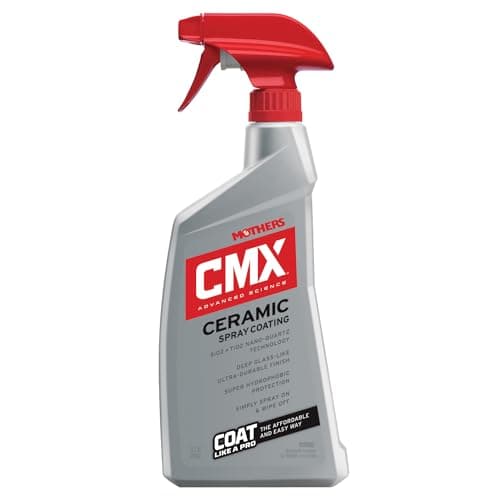
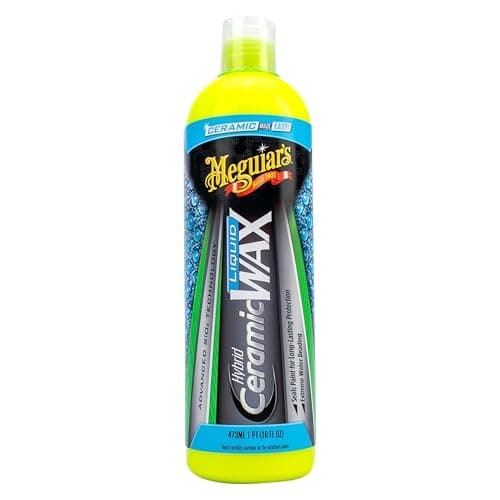
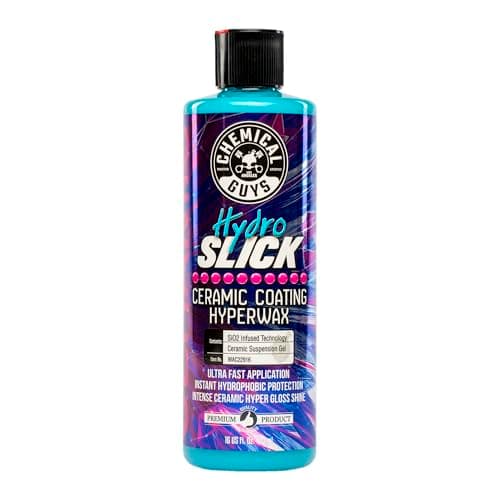
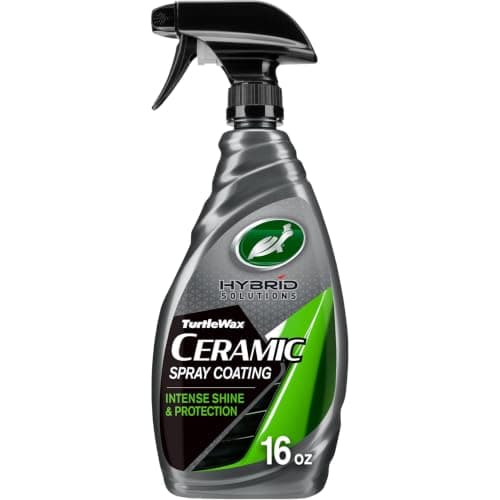
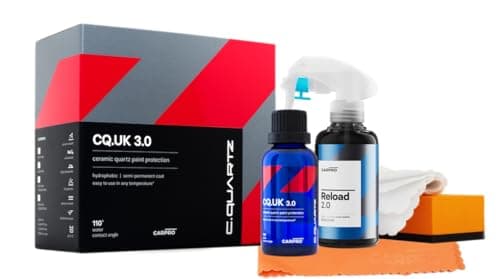
Almost every ceramic coating roundup is implicitly written for dark paint. Gloss, depth, the wet look, how well it hides swirls — those are black-car criteria, and they are the wrong criteria for white. Swirls on white paint are close to invisible without a torch held at the right angle. What white owners actually notice is a completely different list: yellowing along the lower panels, brake dust staining, road film that turns the rockers gray, water spots, and traffic film in the door shuts.
So this page ranks coatings on the properties that address that list — chemical resistance, ease of cleaning, water behavior and hydrophobic longevity — rather than on the gloss metrics that decide our black-car ranking. Several products appear in both, ordered differently, because they are genuinely better at different jobs.
Does white paint actually yellow?
Mostly, no — not in the way people fear. What is usually described as a white car "yellowing" is contamination sitting in and on the clear coat: traffic film, diesel residue, industrial fallout and embedded iron, all of which read as a dull yellow-gray cast because white has no color of its own to disguise them. Chemically decontaminate a car like that and most of the yellow leaves with the fallout.
Genuine oxidation of the clear coat is a real thing, and it does turn a white car dull and chalky, but it is a condition of neglected older paint rather than a property of the color. If your car has it, the fix is correction before coating — see best compound for oxidized paint.
What a coating actually does for white paint
It stops the staining bonding in the first place. A coating's hard, slick surface gives brake dust, road film and industrial fallout far less to grip. On white paint that is the whole game, because the staining is the visible problem.
It makes the lower panels rinse clean. Rockers, lower doors and the area behind the wheels are where a white car looks worst, and a coated surface releases that film with a rinse rather than a scrub.
It resists chemical etching. Bird droppings and bug residue etch uncoated clear coat. A coating gives you a buffer — not immunity, but time to notice.
What it will not do is make white paint look deeper. Gloss on white reads as brightness and cleanliness rather than depth, which is why the "wet look" language on most coating packaging is largely irrelevant to you.
The water-spotting trade-off
Here is the one genuine complication. Highly hydrophobic coatings make water bead into tight droplets, and a tight droplet drying in the sun concentrates its dissolved minerals into a small, hard ring. On dark paint that ring is obvious immediately; on white it is less visible but just as real, and it builds up unnoticed over a season until the paint looks hazy.
Two practical consequences. First, coatings that sheet water off rather than beading it into tight droplets are worth preferring on white. Second, drying the car matters more than the coating choice — never let a coated white car air-dry in sun. The full maintenance routine is in how to maintain a ceramic coating.
Prep on white paint: one thing changes
The sequence is the same as for any coating — wash, chemically decontaminate, clay, correct, panel wipe. The difference is emphasis. On black paint, correction is the step that matters most, because every swirl shows. On white, chemical decontamination matters most, because iron and fallout are what you are actually seeing.
Use a dedicated iron remover and give it time to work — the purple bleed on a white car is genuinely startling the first time, and it is a good visual demonstration of why the paint looked dull. Then clay, then panel wipe. Correction is still worth doing, but a light one-step is usually enough on white where a dark car would need two stages. The picks are in best iron remover for a car.
How to choose a coating for white paint
Prioritize chemical resistance over gloss
The specification that matters most on white is resistance to acidic and alkaline contamination — bird droppings, bug residue, harsh wash chemicals — because etching and staining are what you will actually see. Gloss and depth claims are aimed at dark paint.
Prefer sheeting to extreme beading
Tight beading looks impressive in photographs and concentrates minerals into hard spots when it dries. A coating that sheets water off the panel leaves less behind to evaporate. On a color where you will not notice spots forming until they have built up, that is the safer property.
Match the commitment to the car
- A true multi-year coating if you will do full prep and correction — the best stain resistance available, and years of easy washing.
- A hybrid ceramic liquid or spray if you want most of the benefit for twenty minutes of work, reapplied a few times a year.
- A budget ceramic spray for a lease car or one you plan to sell, where keeping the lower panels clean for a season is the whole requirement.
Do the decontamination first, whatever you buy
Coating over embedded iron seals the staining in under a hard film for years. On white paint this is the single most consequential mistake available, because the staining is the thing you were trying to fix.
Keep a detail spray in the car
Bird droppings on white are both more visible and, because you notice them sooner, more likely to get removed before they etch. A bottle and a towel in the boot is the cheapest protection on this page — see the detail spray picks.