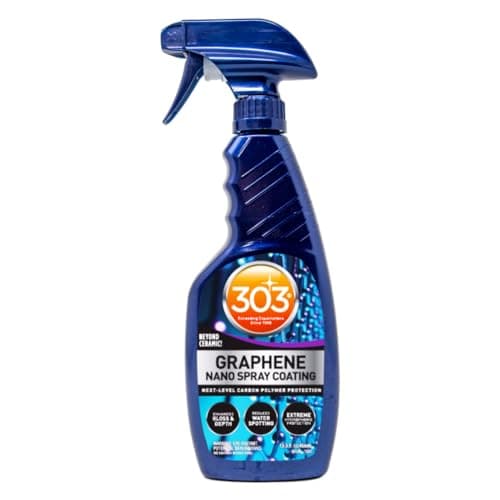
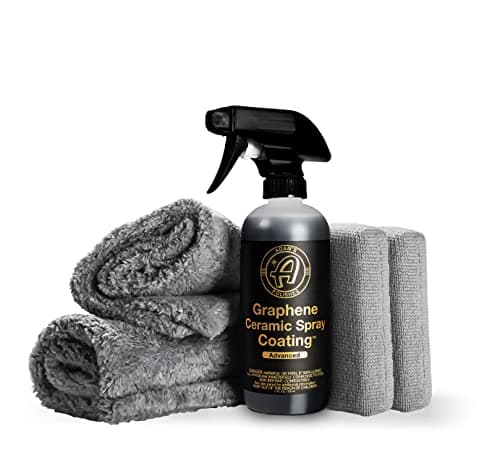
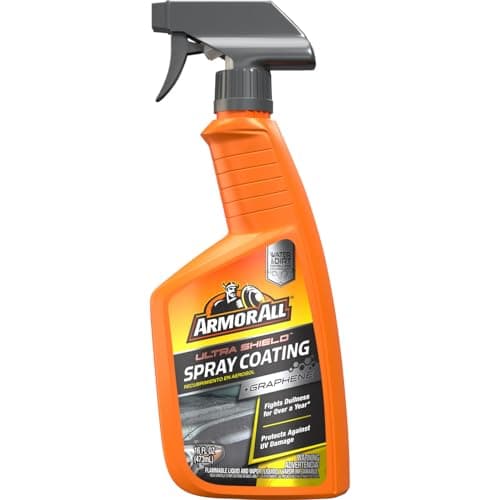
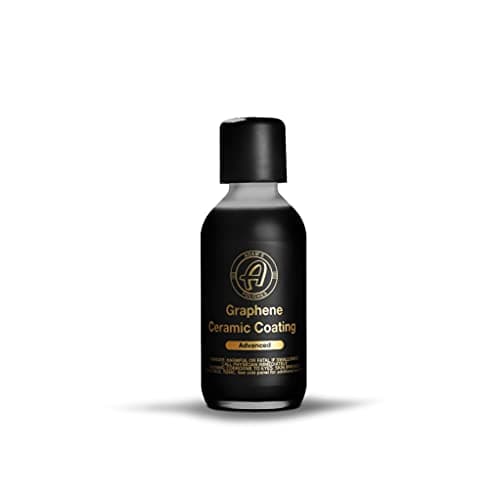
If you want the longest protection and you are willing to prep the paint properly, buy Adam's Advanced Graphene Ceramic Coating — it is the only product here that is a genuine wipe-on, cure-in-place coating rather than a spray, and it is rated in years rather than months. If you want the realistic answer for most people, buy 303 Graphene Nano Spray Coating: it carries the longest durability claim of any sprayable graphene we could verify (up to 12 months), costs a fraction of a real coating, and takes twenty minutes instead of an afternoon.
Everything else on this page exists because the category is a mess. “Graphene” appears on bottles that range from a cured ceramic coating to a paste wax, with durability claims from a few months to “over a year,” and the number on the label is frequently the only thing separating two products that feel identical in the hand. So this ranking is built on what each maker is willing to publish and what their chemistry can actually support — not on which bottle looks most technical.
What graphene is doing in a coating
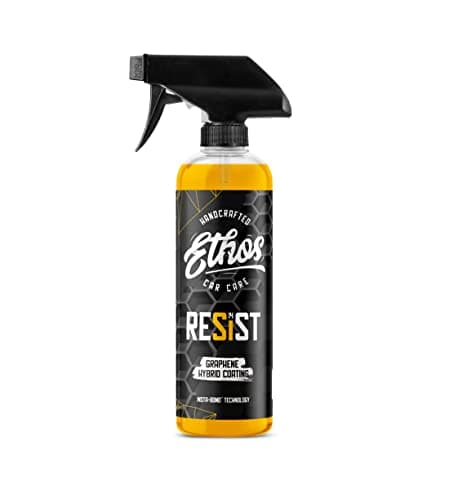
Almost every product sold as a graphene coating is still a silica coating. The film that bonds to your clear coat and does the work is SiO2 — the same chemistry as a conventional ceramic coating — with a small amount of graphene oxide, usually reduced graphene oxide, dispersed into it. Ethos is unusually direct about this and describes RESIST as an rGO and SiO2 hybrid. Armor All describes its product as graphene plus SiO2-based technology. The graphene is an additive, not a replacement.
That matters because it sets a ceiling on what the word can promise. The claimed benefits of the additive are a slightly more flexible film, a little more heat rejection and resistance to the water spotting that plagues SiO2 on dark paint. Those are real, plausible, incremental improvements to a film type we already understand. What graphene does not do is change the category a product belongs to: a graphene spray is still a spray, with a spray's life, and a graphene wax is still a wax. We set the whole argument out in ceramic coating vs graphene coating, which is worth reading first if you are deciding whether the premium is worth paying at all.
How we ranked these
Four criteria, in this order. Nobody here ran a twelve-month outdoor exposure test, including us, so the honest ranking rewards the products whose makers commit to a figure.
- A published, specific durability claim.“Up to 12 months” is a claim a brand can be held to. “Long-lasting protection” is not. Where a maker publishes a number we quote it and attribute it; where they publish “months” we say so and rank the product below the ones that committed.
- Cost per application, not price per bottle. A 16 oz spray that does a car four times is cheaper per use than a 30 mL coating, even when the bottle costs less. That is the number that decides whether you actually keep the paint protected.
- How much prep the claim assumes. Every one of these bonds to what you leave on the paint. A product that needs a panel wipe and a polish to hit its number is a bigger commitment than one you can wipe onto a freshly washed car, and the ranking says which is which.
- Honest failure mode. What goes wrong, specifically — streaking on dark paint, high spots that cure in place, beading that quietly stops at month four. Every pick on this page has cons listed, because every one of them has them.
The field, in one table
| Pick | Type | Maker's durability claim | Best at |
|---|
| Adam's Advanced Graphene Ceramic Coating | Wipe-on, cures in place | Years (patented UV technology) | The longest protection, if you prep |
| 303 Graphene Nano Spray Coating | Spray coating | Up to 12 months | The best balance for most people |
| Ethos RESIST Graphene Spray Coating | rGO + SiO2 spray | 6+ months standing alone | A specific, conservative, honest number |
| Adam's Graphene Ceramic Spray Coating | Sprayable graphene oxide | 18+ months | Topping up a coated car |
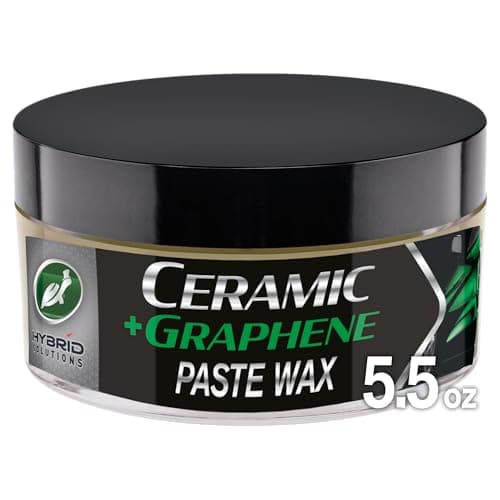
| Turtle Wax Ceramic Graphene Paste Wax | Graphene paste wax | Months of beading | Graphene by hand, the old-fashioned way |
| Armor All Ultra Shield Graphene | Graphene + SiO2 spray | Over a year, by wash count | The cheapest way to try graphene |
Coating, spray, or paste — pick the format first
The single most expensive mistake in this category is buying the wrong format and blaming the chemistry. The three formats are not competing versions of the same product; they are three different levels of commitment.
A true graphene coatingis a resin you wipe on panel by panel, level before it flashes, and leave to cure for a day or more before the car sees water. It is rated in years. It also punishes you for every shortcut: a high spot that cures in place has to be polished off, and the published life assumes the paint underneath was decontaminated and corrected first. Adam's is the one on this page, and our Adam's Graphene Coating review goes through the application in detail.
A graphene sprayis misted on and wiped off in minutes with no cure window. Four of the six picks here are sprays, and their claims cluster between six and eighteen months — which is genuinely useful, and is also the band where you should be most skeptical of the top of the range. A spray cannot build the film thickness a wipe-on coating does, so the realistic answer is “a season or two of beading, then do it again,” which is fine when the job takes twenty minutes.
A graphene paste waxis a wax with graphene in it. Turtle Wax's version is the only one here, and it is on the page for a specific reason: a lot of people enjoy waxing by hand and will keep doing it regardless of what a spray can do faster. The graphene content buys real beading a carnauba cannot manage, and the binder still means it will never match a coating.
Where graphene genuinely earns its premium
Two situations. The first is dark paint in hard water. SiO2 coatings are notorious for holding water spots — mineral deposits etch into the silica layer and leave rings that need a dedicated remover or a light polish. The flexibility and water-release behavior claimed for graphene films is aimed squarely at that, which is why it comes up constantly on black cars. If that is your problem, our picks for the best ceramic coating for black cars overlap with this page deliberately.
The second is heat. A graphene film is claimed to reject more heat than plain silica, which matters most on a dark roof and hood in summer sun. Nobody publishes a temperature delta you can plan around, so treat this as a directional benefit rather than a number.
The limits nobody prints on the bottle
A graphene coating is not a paint protection film and will not stop a stone chip or a key. It does not hide swirls — it makes them glossier and therefore slightly more visible, which is why correction comes first and protection second, in that order, every time. And it does not fix bad prep: every durability figure on this page assumes a decontaminated, wiped-down surface, so a coating sprayed over old wax will fail early and look like the product's fault.
If your paint still has visible swirl marks, stop here and go to how to polish a car before a ceramic coating first. Sealing defects under a multi-year film is the one mistake on this site we repeat the most often, because it is the one that costs the most to undo.
Getting the number the bottle promises
Decontaminate, then panel wipe
A wash removes dirt. It does not remove embedded iron, bonded road film or the wax you put on in spring, and a graphene layer bonded to any of those lasts exactly as long as the layer underneath it. Clay or use an iron remover, then wipe the panel down with a dedicated prep solvent — the field is ranked in best panel wipe for ceramic coating. This single step is the difference between a spray lasting four months and lasting twelve.
Work cool, shaded and in small sections
Every product here flashes faster in heat and sun, and a flashed graphene spray is a streak you have to buff out rather than wipe off. Two feet square at a time, two towels — one to spread, one to finish — and stop if the panel is warm to the touch.
Less product, not more
Graphene sprays are thin and go further than they look. Over-application is the main cause of the smearing people blame on the formula, especially on black paint. Two or three mists per section, spread immediately, buffed within seconds.
Give a real coating its cure time
If you bought the wipe-on coating rather than a spray, the car needs to stay dry while it cross-links — Adam's and every other maker in this class publish a window, and rain inside it is how a coating ends up blotchy. Plan the weekend, not the afternoon.
Top up before the beading stops, not after
The practical maintenance rhythm is a graphene spray every few months over whatever is underneath. It is far easier to refresh a layer that is still partly working than to strip a failed one, and the routine is the same one in how to maintain a ceramic coating.
Do the glass while you are there
Paint coatings do not belong on a windshield — the wipers tear them up and the smearing is dangerous at night. Glass takes a different chemistry entirely, ranked separately in best windshield coating, and Adam's sells a graphene version if you want to keep one brand across the car.