Ceramic coating pricing confuses people because two completely different things share the name. One is a bottle of coating you apply yourself. The other is a professional service where most of what you are paying for is labor — often two full days of paint correction before any coating touches the car. Comparing the price of the first to the price of the second is comparing a tin of paint to a decorator's invoice.
A note on numbers: we are not going to publish specific dollar quotes for professional installs, because they vary enormously by region, vehicle size, paint condition and which coating line the shop carries, and a made-up national average would be worse than no number at all. What we can do is show you exactly what each side of the bill is made of, and the arithmetic that lets you compare them for your car. Live prices for every product below come straight from Amazon and are stamped with the date they were checked.
What the DIY route actually costs
The coating is rarely the biggest line. A realistic first-time DIY coating bill has five parts, and skipping any of them is what makes coatings fail early.
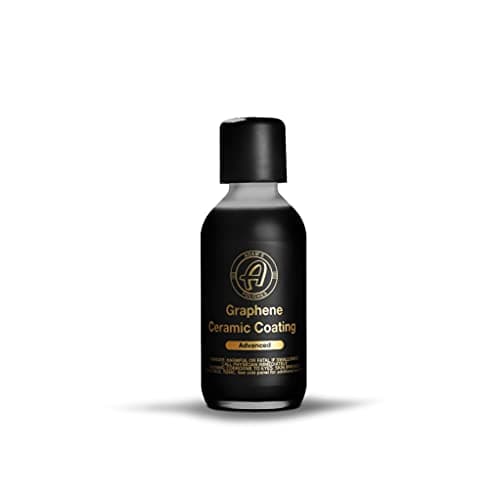
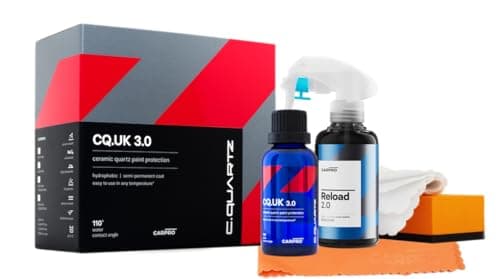
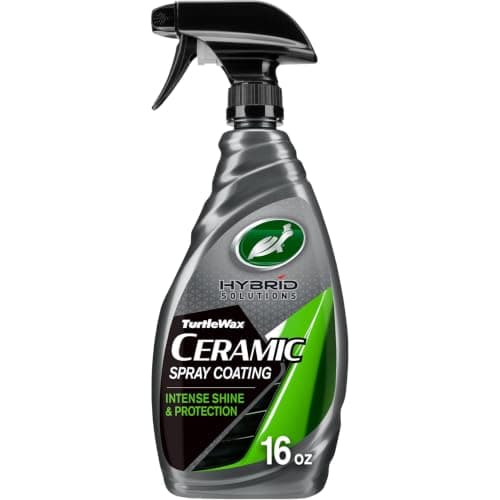
- The coating itself. Consumer coatings span a wide range, from cheap ceramic sprays through mid-range graphene kits to pro-grade bottles. The picks below deliberately cover all three tiers.
- Decontamination. A clay bar or clay mitt and an iron remover. Not optional — the coating bonds to whatever is on the surface, including embedded iron particles. See the clay picks.
- Paint correction. A coating locks the paint's current condition in for years, so any swirls you do not remove first become permanent for the life of the coating. For most cars that means a dual-action polisher, pads and compound — the single largest line if you do not already own one, and the one that keeps its value for every future job.
- Panel wipe. A dedicated solvent wipe removes polishing oils so the coating bonds to clear coat rather than to residue. Cheap, and non-negotiable — the panel wipes.
- Towels and consumables. Several clean, plush microfibers for buffing residue, plus applicators. Reusing a contaminated towel is a reliable way to install streaks.
If you already own a polisher and pads, a DIY coating is genuinely inexpensive. If you do not, the first coating carries the cost of a tool you will use for the rest of the car's life — which is why the honest comparison is cost per year, not cost today.
What a professional quote is made of
A professional coating quote is essentially a paint correction quote with a coating attached, and the correction is where the hours go. The main variables:
- Vehicle size. A large SUV has substantially more panel area than a compact hatchback, and the price scales with it.
- Paint condition. A new car needing a light one-step is a very different job from a ten-year-old daily driver needing multi-stage correction. This is the single biggest swing in any quote.
- Correction level. Shops usually sell a one-step, two-step or multi-stage correction. Each adds hours.
- Coating tier and warranty. Professional-only coating lines are sold with stated durability tiers, often with a warranty tied to inspections and maintenance washes at the shop. You cannot buy those lines yourself, but most of the same companies sell a retail sibling — best professional ceramic coating you can buy ranks them, which is the fair DIY comparison to a pro quote.
- Extras. Wheels off, wheel faces and barrels, glass, trim and interior coatings are usually priced separately.
Whatever the number, ask what correction is included before comparing two quotes. A cheap coating quote with no correction is not a bargain — it is a coating applied over swirls, which locks them in.
The comparison that actually matters
Work it out as cost per protected year, for your car, both ways:
DIY: (coating + prep consumables + any tools you do not already own) ÷ the years you realistically expect from it. Tools are a one-time cost that gets amortized across every future job, so run the sum twice — once including the polisher, once without — to see what the second coating will cost you.
Professional: (quoted price + any required maintenance washes) ÷ the warranted years. Include the maintenance requirement; several warranties are void without it.
Then compare both against the wax alternative: a good sealant costs very little and protects for months rather than years, so its cost per year can be surprisingly competitive if you enjoy applying it. That comparison is worked through in ceramic coating vs wax and is ceramic coating worth it.
Where a cheap coating makes sense
A ceramic spray is not a lesser version of a real coating so much as a different product with a different job. It goes on in twenty minutes with no correction, gives you real beading and gloss for months rather than years, and reapplies whenever you like. For a lease car, a car you plan to sell soon, or anyone who simply is not going to spend a weekend correcting paint, it is the sensible spend — see best ceramic coating spray.
Where cheap coatings go wrong is being sold as equivalent to a multi-year install. They are not, and the durability arithmetic in how long does ceramic coating last shows why.