A ceramic spray trades the multi-year durability of a full coating for something almost anyone can apply correctly in an afternoon: wipe or spray on, buff off, no cure window to plan around. That tradeoff is the whole category, so we ranked these six on what actually differs between them — rated durability, how forgiving the wipe-off is, and what you're really paying for versus a plain SiO2 formula with better marketing.
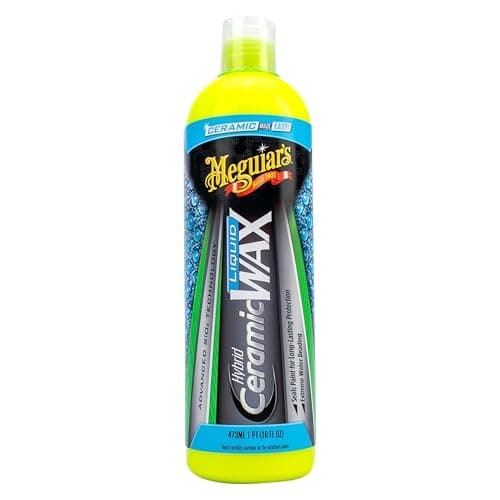
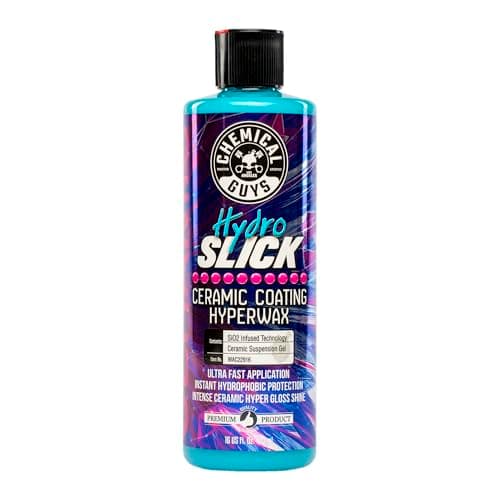
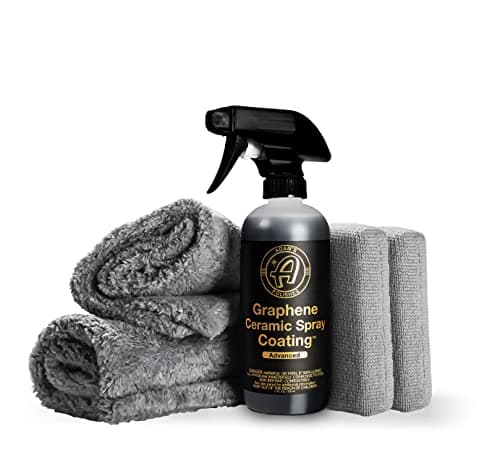
Adam's Graphene Spray tops the list because it stretches furthest past the "spray wax" durability of the others while staying just as easy to apply. Meguiar's Hybrid Ceramic sits at the opposite, foolproof end — spray it on wet paint, rinse, done — which makes it the one we'd hand to someone who's never used any ceramic product before. HydroSlick is worth a separate look too: it applies like a paste wax rather than a spray, but earns its spot here on slickness and gloss rather than outright durability.
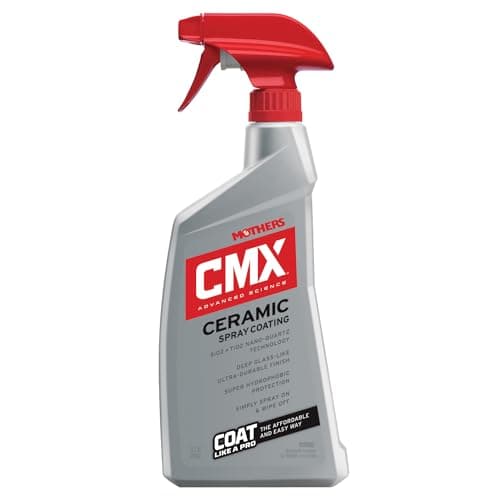
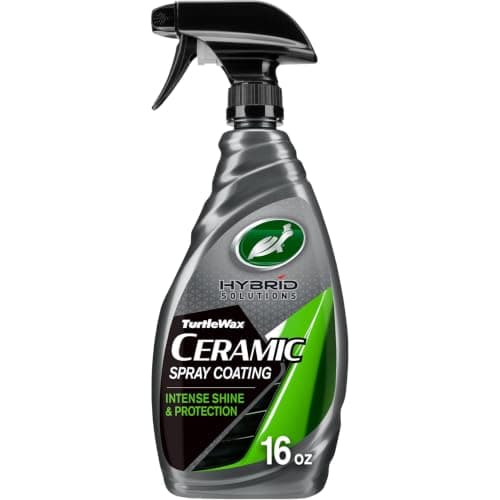
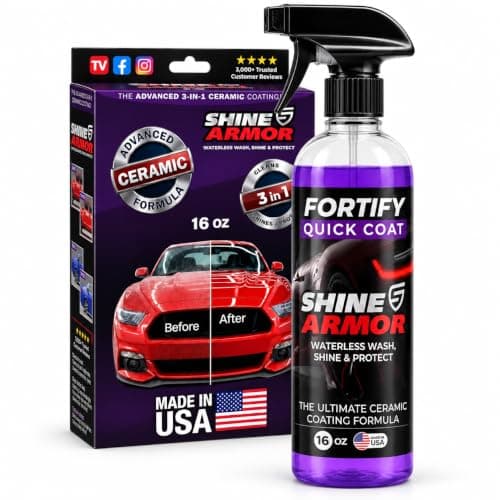
Mothers CMX and Turtle Wax's Hybrid Solutions spray sit in the middle of the pack — solid, mainstream SiO2 sprays at a friendlier price than the graphene formulas, and a sensible choice if you just want beading back after every wash rather than the longest possible hold. Shine Armor Fortify is here mainly so you can compare it fairly: it's marketed hard as a 3-in-1 wash-and-coat, but a plainly labeled SiO2 spray from Mothers or Turtle Wax gets you the same beading and gloss for less, which is worth knowing before the marketing talks you into paying more for the same chemistry.
If a spray still feels like a half-measure and you want the full multi-year commitment instead, see best ceramic coating for cars for the genuine coatings. And if you're weighing a spray against just keeping up a wax routine, ceramic coating vs. wax has the full cost and durability comparison.
Worth being clear about what a spray is and is not before you buy one. Ceramic spray vs ceramic coating compares the two families on durability, prep, application risk and the cost of getting it wrong — the decision this ranking sits inside.
How to choose a ceramic spray
Every bottle in this category claims "ceramic" — the differences that actually matter are narrower than the marketing suggests.
The specs that matter
- Rated durability. Consumer sprays span roughly a couple of months to nearly two years depending on the formula — check the manufacturer's own number rather than assuming every spray behaves the same.
- Wet vs. dry application. Some sprays, like Meguiar's Hybrid Ceramic, go on wet paint straight after a rinse with no buffing; others are wipe-on/wipe-off on dry, clean paint. Using the wrong method for the product usually causes streaking.
- Graphene content. Graphene-added sprays are marketed for reduced water spotting and a longer working window versus plain SiO2 — a real, if incremental, upgrade.
- Bottle size and coverage. A 24 oz bottle you reapply every few weeks can still cost less per year than a small bottle of a "premium" spray — do the math per application, not per bottle.
- "3-in-1" and waterless marketing claims. A product billed as a wash, wax and coating in one bottle is still an SiO2 spray underneath — judge it on durability and beading, not on the marketing checklist printed on the label.
The cost math
Sprays are a maintenance cost, not a one-time purchase, so the honest comparison is cost per year including how often you'll actually reapply — not the price on the shelf. A cheap spray reapplied every three weeks can cost more over a year than a pricier one that holds up for three months; see ceramic coating vs. wax for the full worked example against both a coating and a wax.
The common mistake
Spraying over paint that's still swirled or contaminated. A spray adds gloss and beading, but it doesn't correct anything underneath it — wash and, ideally, clay the paint first, or you're just adding shine on top of defects that are still there.
If the bottle says graphene
Several of the sprays above have graphene-infused siblings, and a few products are sold on the additive alone. The graphene field is ranked separately in best graphene coating, where every pick is listed with the durability figure its maker actually publishes rather than the adjective on the label.