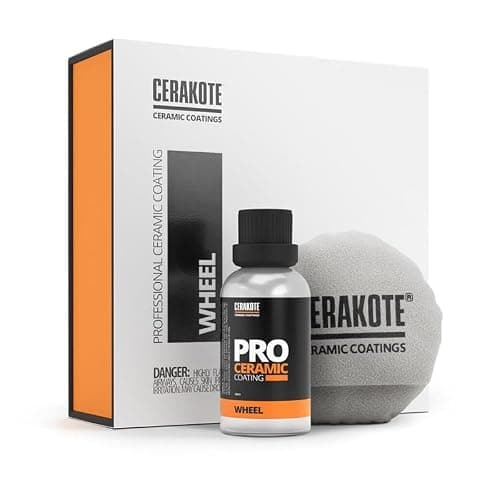
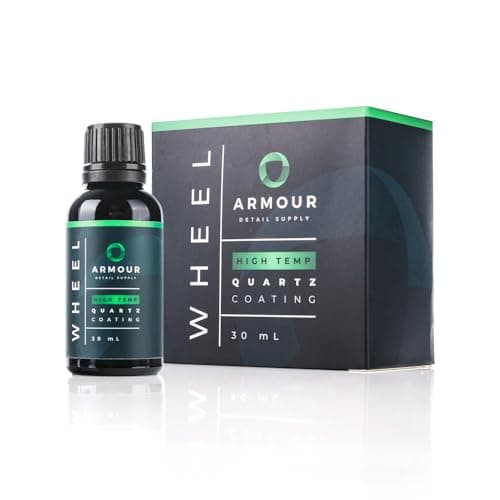
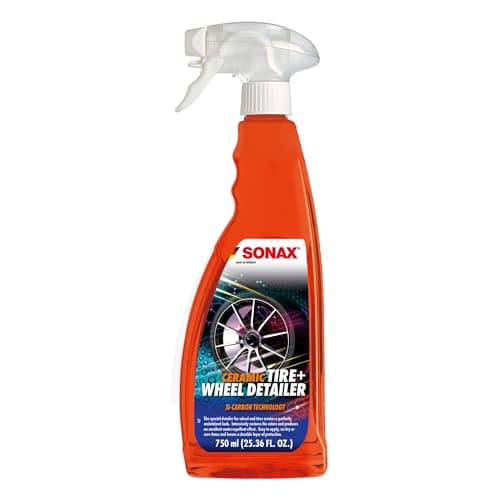
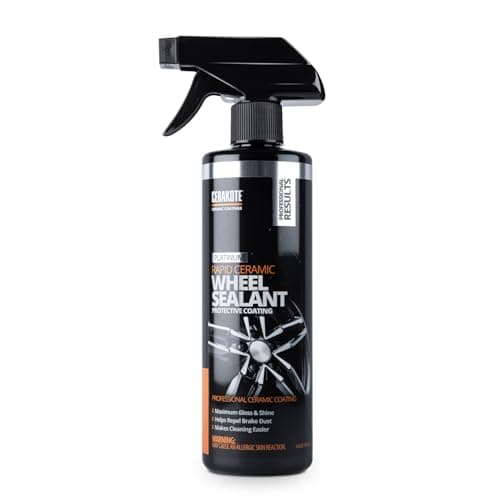
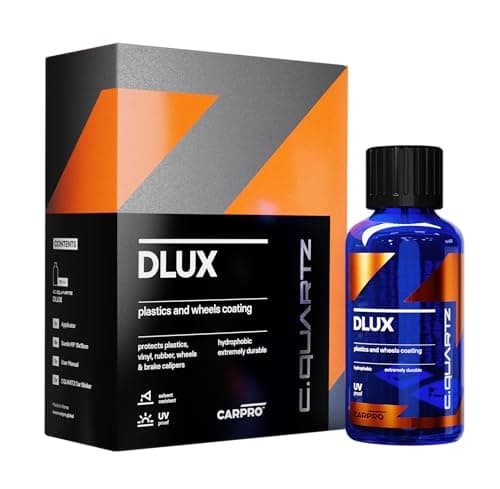
If you only ever coat one part of a car, coat the wheels. They collect more contamination than every painted panel combined, the contamination is worse, and they are the surface you least enjoy cleaning. A coated wheel does not stay clean — nothing does — but the brake dust sits on top of the coating rather than bonding into the finish, so it comes off with a rinse and a soft brush instead of an acid wheel cleaner and a lost afternoon.
The catch is that wheels are a genuinely harsher environment than paint, and the coating you use on a hood is not automatically right here. A brake rotor puts serious heat through a wheel repeatedly, and the coating has to survive that cycle without breaking down. Products built for wheels say so.
Coating or sealant: pick your effort level
The category splits cleanly in two, and the split is about how much work you are willing to do.
A true wheel coating is a bonded SiO2 or quartz layer, applied with an applicator to a scrupulously clean, decontaminated wheel, ideally with the wheel off the car so you can reach the barrel. It cures, and it lasts a long time. It is also unforgiving: high spots show, prep failures show, and the whole job takes most of a day for four wheels done properly.
A wheel sealant spray is a spray-on, wipe-off layer that goes on with the wheels still on the car in about the time it takes to make coffee. It is nothing like as durable — weeks to a few months rather than years — but it is repeatable at every wash and it requires no commitment. For a lot of people that is genuinely the better product, and two of the picks below are exactly this.
Prep is more of the job than the coating
A wheel coating bonds to what it is applied to. If that is a layer of baked-on brake dust, the coating bonds to brake dust and fails early — and you will blame the product. The prep sequence is not negotiable:
- Wash the wheel thoroughly, including the barrel and behind the spokes.
- Chemically decontaminate with an iron remover. This is the step that dissolves the bonded brake dust nothing else touches.
- Clay or use a decontamination mitt if the wheel still feels rough.
- Wipe with a panel wipe so no oils, dressing residue or wheel-cleaner film sits between the coating and the wheel.
- Apply, level, and respect the cure window.
Skipping step 2 is the single most common reason a wheel coating disappoints. Iron particles embedded in the finish are exactly what makes an old wheel look gray no matter how hard you scrub it.
Wheels off, or wheels on
Coating a wheel on the car means the barrel — the inside face, where most brake dust actually accumulates — gets little or no product. That is not a disaster; the outer face is what you see and most of what you clean. But if you are going to spend a day and the money on a bonded coating, taking the wheels off doubles the benefit and makes the application far easier. If you are not willing to do that, a spray sealant is the more honest purchase.
One more thing worth knowing: several wheel coatings also work on exterior plastic trim, because trim faces a similar UV-and-heat problem. If that applies to your car, a dual-purpose bottle stretches further than a wheels-only kit. One caveat, though — a coating locks in whatever color the trim currently has, so plastic that has already gone chalky gray needs the color putting back first. Best trim restorer covers that order and the three chemistries that claim to do the job.
How to choose a wheel coating
Four inputs: how much prep you will realistically do, whether you are taking the wheels off, what finish your wheels have, and how often you are prepared to re-apply.
Match the product to your patience
- Full weekend available, wheels coming off — a bonded coating. Longest protection, best brake-dust release, and it will still be working next year.
- An hour, wheels staying on — a spray sealant. Weeks of protection, re-applied at each wash, no cure window to worry about.
- Already have a coating and want to maintain it — an SiO2 spray layered on top extends the base coating rather than replacing it.
Wheel finish matters
Painted, powder-coated and clear-coated wheels take coatings the same way paint does. Polished, machined and bare metal finishes are more particular — check that the product states compatibility rather than assuming, because some coatings can leave a haze on bare polished aluminum. Anodized and matte finishes are the ones to be most careful with, and a test on the inside of one spoke costs you nothing.
Heat tolerance is the real spec
Every wheel product claims heat resistance; the meaningful difference is whether it was formulated for the repeated thermal cycling of a brake rotor or simply survives being warm. Products sold specifically as wheel coatings are formulated for it. A paint coating applied to a wheel usually is not, and the failure mode is gradual — the coating stops shedding brake dust long before it visibly disappears.
Do not forget the calipers and the barrel
If the wheels are off anyway, the caliper faces and the inner barrel take the same product and benefit at least as much. Coated calipers stay legible instead of turning brown, and a coated barrel is the difference between a wheel that cleans in one pass and one that never quite does.
Maintenance after coating
A coated wheel wants a pH-neutral wash, not an acid cleaner. The reason people buy acidic wheel cleaners is bonded contamination, and once the wheel is coated that contamination stops bonding — so the harsh chemistry becomes both unnecessary and actively harmful to the coating you just paid for. Rinse, soft brush, dry. If it starts needing more than that, top up with an SiO2 spray rather than escalating the chemicals.