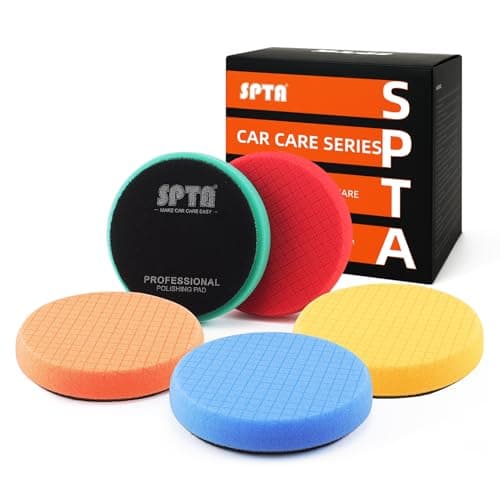
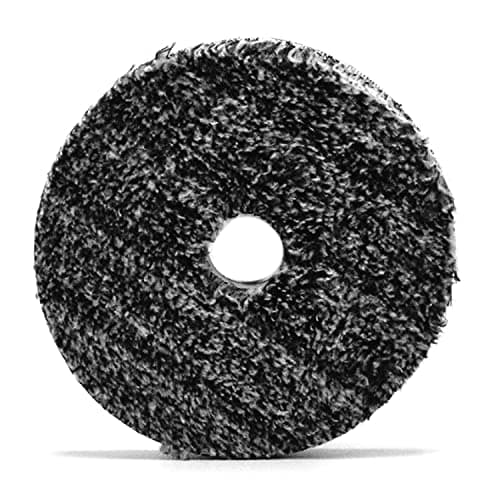
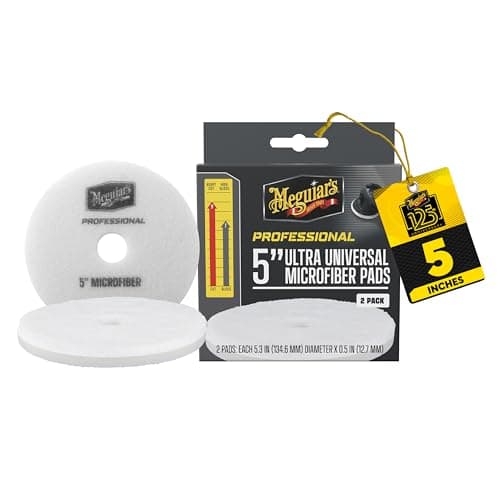
Meguiar's Professional 5-inch DA Microfiber Cutting Pad is the best pad under $25 for most people — a two-pack of a pad Meguiar's rates for both heavy cutting with a compound and refining with a polish, so one purchase covers two grades. The budget pick is the SPTA 5.5-inch multi-pack, which is the cheapest way to fill a pad drawer and usually ships with a backing plate, so a beginner can practice without spending finishing-pad money on every color. Every pad on this page was under $25 with a live Amazon price as of November 23, 2026.
The reason to put a price cap on pads rather than on a machine is that pads are the only consumable in paint correction that people systematically under-buy. A polisher is one purchase. A bottle of compound does several cars. Pads saturate: spent abrasive, removed clear coat and pad dust fill the foam cells within two or three panels, and a saturated pad stops cutting and starts smearing product around. The honest requirement for a single sedan, corrected properly, is four to six pads — at least two cutting, one polishing, one finishing, and a spare of whichever grade you are leaning on hardest.
That arithmetic is why a $12 pad you own three of genuinely beats a $30 pad you own one of. It is not a compromise argument; it is how the process works. One premium cutting pad on a whole car means you are running a saturated pad for two-thirds of the job, and the result looks like it.
The good news is that under $25 is not a squeeze in this category. Several of the pads on this page are the same products we rank in our full grade-by-grade roundups, because most quality foam and microfiber pads live under this line anyway. What $25 excludes is a narrow set — large multipacks from the premium lines, 6.5-inch heavy-duty orbital pads, and microfiber systems sold as complete sets — and the page says so where it matters.
How we ranked these
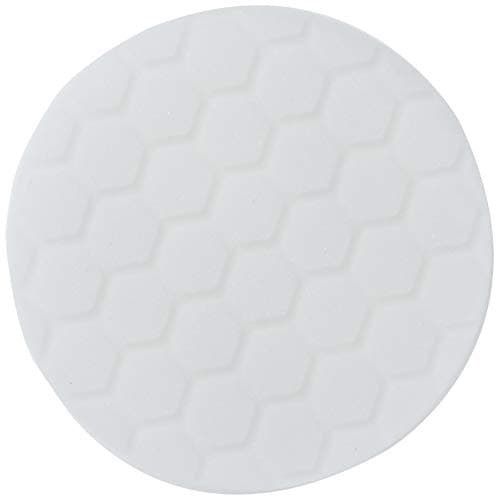
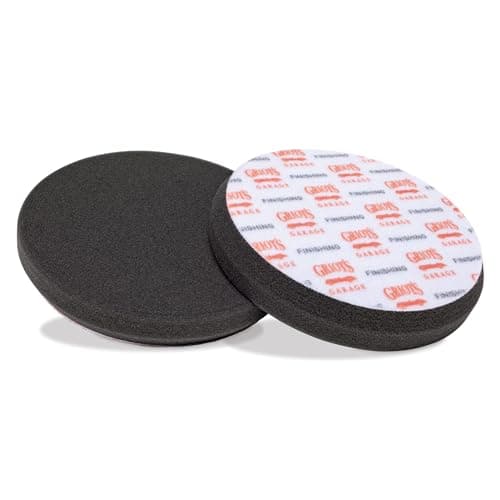
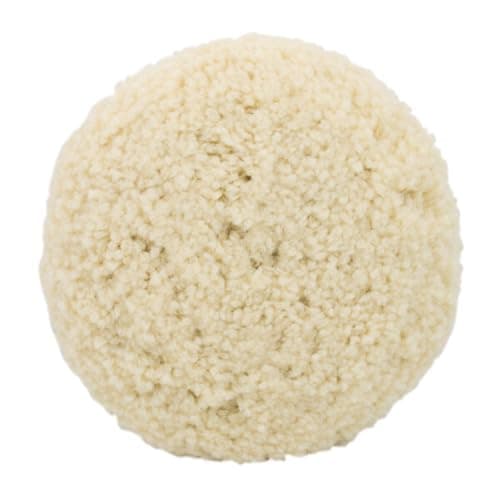
Coverage of the whole range, first. Six pads that are all cutting pads would be useless. The picks below deliberately span microfiber cutting, foam light-medium polishing, soft foam finishing, a mixed multipack and rotary wool, because a correction needs a sequence rather than a favorite.
Then price per pad, not price per listing. A $20 four-pack is $5 a pad; a $20 single is $20 a pad. Both appear under the cap, and only one of them lets you rotate. Where a pick is a single pad, it is here because the grade is hard to buy cheaply or because the pad does two jobs.
Then versatility within the pad.Meguiar's rates its microfiber face for compounding and for refining, so the liquid you prime it with sets how aggressive the pass is. That is two grades from one purchase, which in a capped band is worth more than a marginally better single-purpose pad.
Then washability. A pad you can wash and reuse twenty times is a different economic proposition from one that compresses after three. Where a maker states machine washable, we have used it; how to clean polishing pads is the routine that makes the difference, and how often to replace polishing pads is when to stop trying.
And no claimed testing.We have not run a wear-life comparison on these pads. Every cut rating, diameter and pack size below comes from the maker's own current listing.
How many pads one car actually needs
Worth being specific, because this is the number nobody tells you before you buy a polisher.
- A two-step correction on a sedan: two to three cutting pads, two polishing or finishing pads. The cutting pads saturate fastest because they are doing the removal.
- A one-step on a sedan: two pads of the single grade you are using, swapped halfway.
- An SUV or truck: add one of each. Surface area is roughly half again, and vertical panels load pads faster than horizontal ones because gravity is not helping.
- Heavily oxidized paint: more than you expect. Dead paint comes off into the pad, and a wool or microfiber face clogs with it.
Washing mid-job is possible but slow — a pad has to be genuinely dry to work, and a damp pad throws product everywhere. Swapping to a fresh one takes four seconds, which is the whole argument for buying in quantity.
Which grade is worth paying above $25 for
One honest exception to this entire page: if you run a long-throw machine — a 15 mm or 21 mm orbit — the heavy-duty orbital pads built with a thicker, better-supported backing are worth the money, and most of them sit above this cap. A thin pad designed for an 8 mm tool flexes and overheats under a 21 mm orbit, and it will fail at the glue line before it wears out at the face. Our finishing pad picks and microfiber cutting pad picks both cover the heavy-duty options alongside the budget ones. Everyone running a 5 mm, 8 mm or 9 mm DA — which is most people — can buy entirely within this band without compromise.
How to assemble a set under $25 a pad
Match the pad to your backing plate, not your machine
A 5.5-inch pad belongs on a 5-inch plate; a 6.5-inch pad belongs on a 6-inch plate. The pad should overhang the plate slightly so the plate edge never touches paint, and never so much that the foam folds under load. Buying a pad that does not match the plate is the most common ordering mistake in this category and it produces a pad that hops instead of gliding. Best backing plate for polisher covers sizing, and 5-inch vs 6-inch polishing pads covers the trade.
Buy the cutting grade in quantity and the finishing grade in quality
Cutting pads are consumables in a way finishing pads are not — they do the material removal, they clog with it, and they wear at the face. Finishing pads mostly just need to be soft and clean. So if the budget is fixed, spend it on quantity at the cutting end and buy one good finishing pad rather than three mediocre ones.
Do not mix grades on one pad, ever
A finishing pad that has had compound on it is a cutting pad now, whatever the color says. Residual abrasive stays in the foam through a wash. Label them, keep them separate, and if cost means you can only own two pads, own one cutting and one finishing rather than two of either. The pad color guide explains what the colors do and do not tell you, and polishing vs finishing pads draws the line between the two soft grades.
Foam first, microfiber second, wool only if you need it
Foam covers the whole cut-to-finish range on its own and is the most forgiving material, so a first set should be foam. Foam vs microfiber pads covers when to add a microfiber cutting pad — the short answer is when foam and a good compound have stopped making progress. Wool belongs on a rotary and on genuinely neglected single-stage paint; best polishing pads for rotary is the page for that machine, and foam vs wool pads is the comparison.
Prime every new pad
A dry new pad absorbs most of the first application and does almost nothing with it. Spread product across the whole face before the first pass, or you will blame the compound for a pad problem. How to prime a polishing pad is the two-minute version.
What the cap excludes, and whether you care
- Large premium multipacks. Six-packs from the better foam lines are usually $30 to $50. Better value per pad than anything here, if you can spend it in one go.
- 6.5-inch heavy-duty orbital pads. The right choice on a 15 mm or 21 mm machine, and almost all above the line.
- Complete microfiber systems. Sold as cut-plus-finish sets with matched liquids, and priced accordingly.
- Nothing you actually need for a 5 mm to 9 mm DA. Which is the point of the page: the standard enthusiast machine can be fully supplied from under this line.
A final note on the one thing pads cannot do. A pad does not decide how much a pass removes — the compound does most of that, and the machine does the rest. If a job is not progressing, the fix is more often a more aggressive liquid or a longer orbit than a more aggressive pad. Our cutting compound picks are the other half of every pairing on this page.