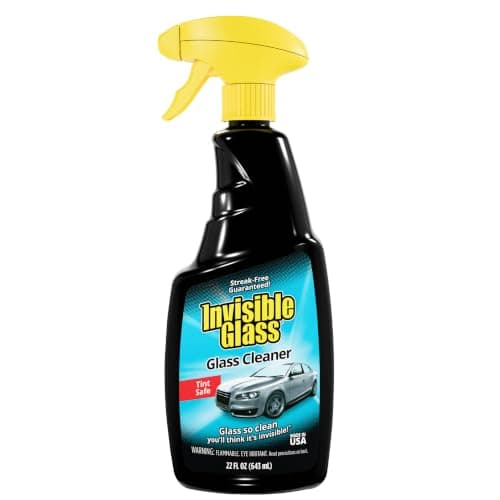
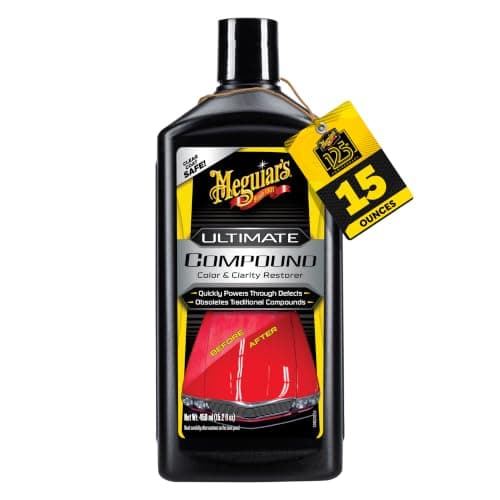
If you are replacing one Chemical Guys bottle, start with Meguiar's Ultimate Compound — it is the swap for VSS, the product this search names most often, and it corrects moderate swirls by hand or machine while finishing glossy enough that many people skip the follow-up polish. The budget pick is Invisible Glass, the cheapest bottle on this page and an ammonia-free, tint-safe 22 oz alternative to the Signature Series glass cleaner. If what you want is longer protection than JetSeal for less money, Collinite 845 is the answer. Prices come from the live price layer, as of November 23, 2026.
A word on framing, because it matters. Chemical Guys is not a bad brand and nothing on this page is an argument that it is. Several Chemical Guys products are ranked first in their category elsewhere on this site. The brand's defining strength is breadth — there is a Chemical Guys bottle for essentially every job in car care, backed by an enormous tutorial library and shelf space in every parts store, which makes it the easiest brand in the category to start with.
Breadth is also why people search for alternatives. A range that wide cannot be best in class at every single job, so the useful question is never "is Chemical Guys good" — it is "is this particular bottle the best thing I can buy for this particular job". That is the question this page answers, product by product.
The swaps, line by line
VSS Scratch & Swirl Remover → Meguiar's Ultimate Compound. VSS is a one-step abrasive. Ultimate Compound does the same job, is explicitly clear-coat safe with no fillers, works by hand as well as by machine, and costs noticeably less per bottle. If you need more cut than either, the heavy-cut route is on best cutting compound for paint correction.
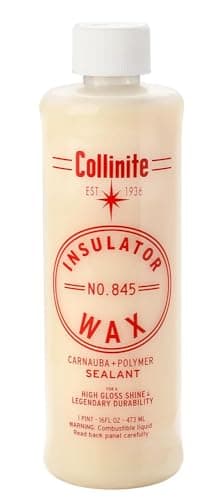
JetSeal → Collinite 845 Insulator Wax. JetSeal is the long-life synthetic sealant in the Chemical Guys range and genuinely good at it. Collinite 845 is the durability swap: a carnauba-and-polymer liquid Collinite rates at 4 to 7 months, with a cult following for winter and salt protection, at a lower price per bottle. The trade is technique — 845 has to go on thin or it is fussy to buff.
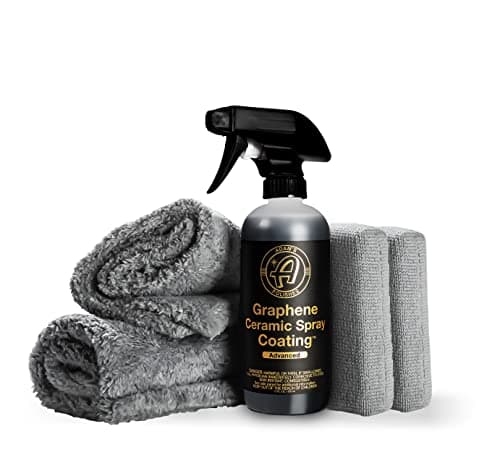
HydroSlick SiO2 HyperWax → Adam's Advanced Graphene Ceramic Spray. HydroSlick is a paste-cream that delivers coating-like slickness with wax-like application. The graphene spray is the swap if durability is what you wanted: Adam's claims 18 months or more against HydroSlick's wax-plus durability, with the same wipe-on-wipe-off ease.
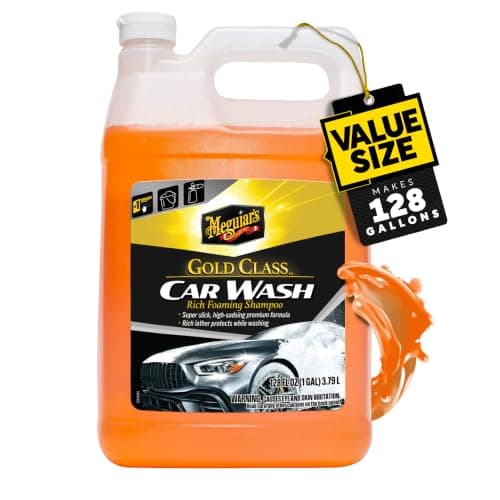
Mr. Pink → Meguiar's Gold Class Car Wash gallon. Mr. Pink is a pH-balanced shampoo sold in 64 oz bottles. The Gold Class gallon is the value swap, and it is a large one — the lowest cost per wash of any shampoo we rank, stocked in essentially every parts store in the country. You give up some foam density; best car wash soap for detailing has the whole category.
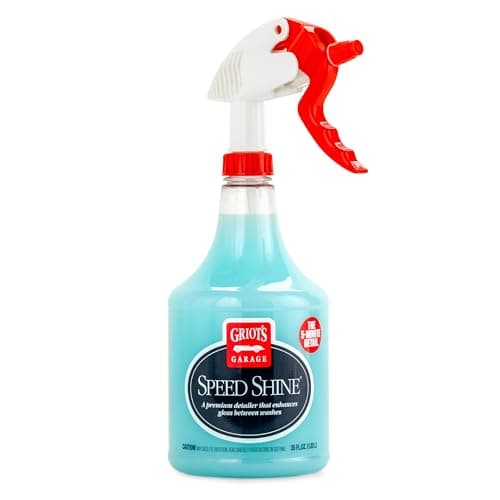
Speed Wipe → Griot's Garage Speed Shine. Both are quick detailers. The Griot's bottle is 35 oz rather than 16, and it is slippery enough to clay with safely — which is a meaningfully higher bar than wiping dust off, and it means one bottle covers two jobs.
Signature Series Glass Cleaner → Invisible Glass. Both are ammonia-free and tint-safe. Invisible Glass is 22 oz at a household-cleaner price with a controlled spray pattern that genuinely reduces overspray onto dash plastics. It leaves no water-repellent component behind, which the dedicated windshield coatings exist for.
How we picked the swaps
Match on a stated strength or a lower price. Every pick here either does the same job for less or beats the Chemical Guys product on one specific, published property — durability, bottle size, cut, cost per wash. We do not claim a swap is better across the board, because none of them is.
Registry products only. Every alternative above is a product we already rank somewhere else on this site, with its own full write-up, pros and cons and don't-buy-if. Nothing was added to fill a slot.
No comparative testing claims. We have not run these side by side against their Chemical Guys counterparts. Every durability figure above is attributed to the maker that published it, and how we research sets out exactly what our scores are built from. If you want the brand-versus-brand view rather than the product-versus-product one, read Meguiar's vs Chemical Guys. And since two of the six swaps above are Meguiar's products, it is worth knowing the reverse page exists too: Meguiar's alternatives works through the Meguiar's bottles people want to replace, and is equally clear about the ones where the original still wins.
Switching brands without wasting money
Swap one bottle at a time
Replacing an entire shelf at once means you cannot tell what changed. Pick the one product you are least happy with, swap that, and keep everything else constant for a wash or two. This is also the cheapest way to find out whether the bottle was the problem or the technique was.
Do not mix abrasives mid-correction
Compounds and polishes are calibrated as systems with their pads. If you switch abrasive brands, re-run a test spot and re-establish the least aggressive combination that works before you start on the car — paint correction for beginners has the procedure.
Check the layering order before mixing protection brands
A sealant from one brand under a wax from another is fine, as long as the sealant goes on first and gets its cure time. Reversing it means the sealant bonds to wax rather than clear coat. Wax vs sealant vs coating covers the hierarchy.
Dilution ratios do not transfer
Two shampoos at the same price are not the same concentration. Read the new bottle's ratio rather than pouring the same glug you used before — under-diluted soap leaves a film, over-diluted soap costs you lubricity when you most need it.
Keep the Chemical Guys products that are genuinely best in class
Switching brands wholesale on principle is how people end up with worse results and a cupboard of part-used bottles. Several Chemical Guys products win their category on this site on merit. If a bottle is working, the correct number of alternatives to buy is zero.
Judge the swap on cost per use, not per bottle
A 35 oz detailer at a slightly higher price is cheaper per panel than a 16 oz one. A gallon of shampoo is dramatically cheaper per wash than a 64 oz bottle. Most of the savings on this page come from size and dilution rather than from the sticker.