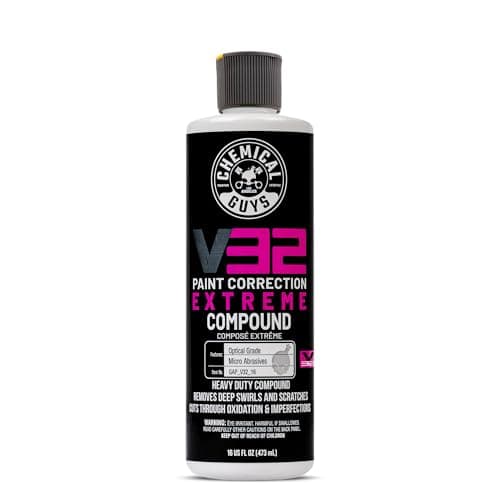
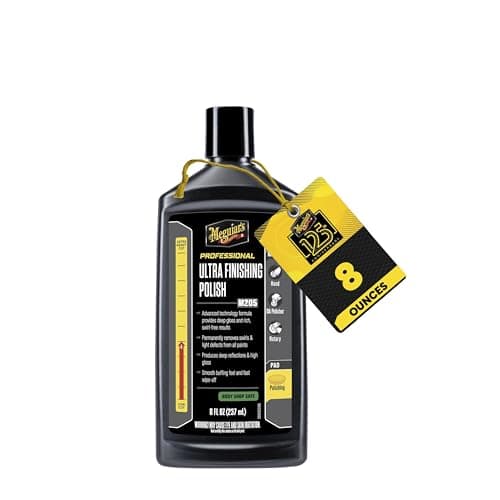
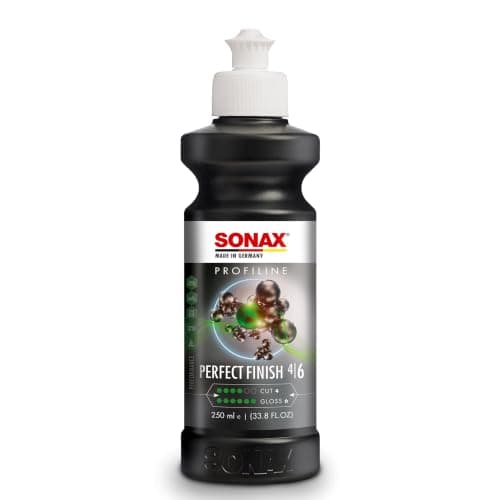
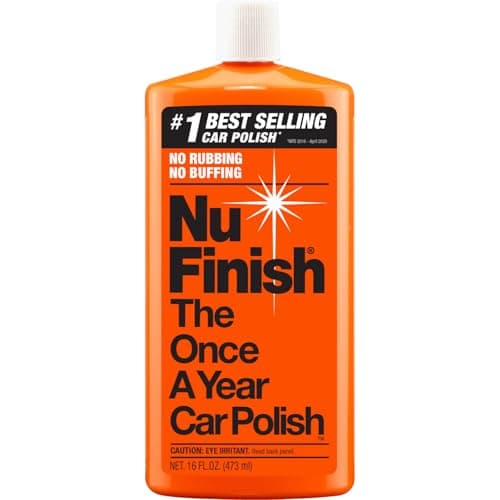
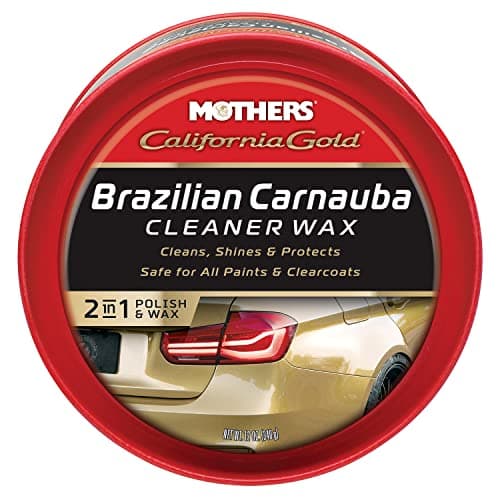
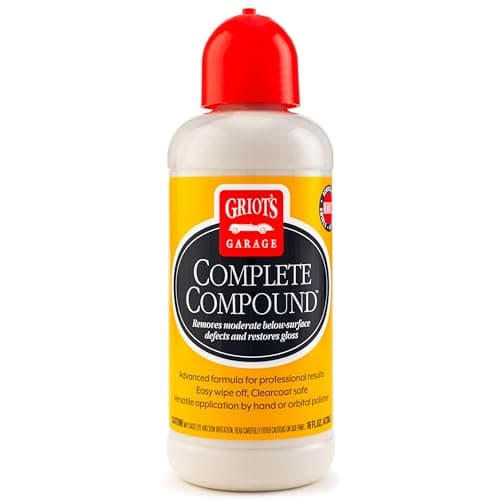
Griot's Garage Complete Compound is the best polish for white cars for most people — enough cut to clear the chalky, gray-looking oxidation that actually dulls white paint, and a clean enough finish that on a light color you can stop right there. The budget pick is Mothers California Gold Carnauba Cleaner Wax, which does a mild version of the whole job — lift, brighten, protect — in one pass out of one tin. Every price on this page is rendered from the live price layer, as of November 23, 2026.
The reason white paint needs its own page is that it inverts the normal priority. Swirl marks are visible because they scatter light against a dark background; on white, silver and light metallic paint there is no dark background, so the swirls your neighbor's black sedan displays like a crime scene are close to invisible on yours. That is the good news, and it is why white is the easy color to keep looking acceptable.
What white paint does show is everything swirls hide. Oxidation reads as a flat, chalky, faintly gray cast that makes the panel look dusty when it is clean. Embedded road film reads as a dingy tint along the lower third of the car that washing does not touch. On older single-stage white, and on white roofs and hoods especially, there is often a genuine powdery layer of dead paint. And any yellowing — from UV, from a previous wax, from tree sap residue — is immediately obvious in a way it would never be on a dark color.
None of that is a swirl problem, and none of it is solved by the fine finishing polish that dark-paint pages recommend. It is solved by abrasive cleaning: a compound aggressive enough to take the dead layer off, which on white you can use with far more confidence than you could on black, because the marring such a product leaves behind is the exact defect your paint color is best at hiding.
How we ranked these
Cleaning ability before finishing ability. On dark paint we rank the other way round. Here, the product that strips oxidation and film most effectively wins, because the haze it leaves costs you almost nothing visually. Compare that with the dark-paint compound picks, where the same logic produces a different order from the same shelf.
Then whether one pass can be the whole job. Two-step correction is correct on dark paint and frequently unnecessary on white. A product that cuts and finishes well enough in one pass is worth more here than a heavier compound that mandates a second step.
Then what it does about yellowing specifically. This is the white-paint complaint that has nothing to do with defects. Cleaner waxes and polymer polishes with mild abrasives address it directly; pure finishing polishes largely do not.
Then cost per car. White is the color most likely to be on a work vehicle, a fleet van or a daily driver nobody is precious about, and two of these picks are deliberately here because they are the cheapest things on the page.
Silver and light metallic, while we are here
Everything above applies to silver and light gray, with one addition: on a metallic the aluminum flake sits in the paint film, and a heavy abrasive used carelessly can dull the sparkle by scuffing the clear above it rather than cleaning it. That is an argument for the one-step products on this page rather than the heaviest cutter, not an argument for a finishing polish. If what you actually want is to keep the flake bright after correction, our silver car wax picks deal with the protection half of that.
Where white paint still needs the careful approach
Three exceptions to all of the above, because "white hides everything" is a useful rule rather than a law.
Pearl white and tri-coat white. These have a translucent layer over a base and a tinted mid-coat. They read as white at a distance and behave like a dark metallic up close, and an aggressive pass can visibly change how the pearl reads. Treat a tri-coat as dark paint and work up from the mildest product that does anything.
White paint with clear-coat failure.Peeling, flaking or delaminating clear is not oxidation and cannot be polished — compounding a failing clear coat accelerates it. If the surface is shedding rather than chalking, stop. Will rubbing compound damage clear coat covers how to tell.
Older single-stage white. There is no clear coat at all, so you are abrading color, and every pass removes pigment permanently. The products still work; the restraint has to be greater. Best compound for single stage paint is the page for that car.
How to choose
Start with the wash test, not the product
Wash the car properly, dry it, and then run a clean hand over the dried paint. If it feels rough, the problem is bonded contamination and no polish will fix it — decontaminate first with an iron remover and clay, then look again. A surprising share of "dull white paint" is a smooth layer of iron and road film, and is perfectly clean under it.
Then pick by what the panel looks like dry
- Flat and faintly gray, feels smooth — oxidation. A one-step compound handles it in a single pass.
- Chalky, leaves residue on a cloth — dead paint. The heavy cutter, then a polish.
- Yellow cast, especially on horizontal panels — a cleaner wax or a polymer cleaning polish, which lift the stain rather than cutting the paint.
- Looks fine but flat in sunlight — a fine polish is all that is called for, and honestly a good sealant may be the whole answer.
Pad choice matters less than it does on black
A light-cut foam pad with any of these compounds is a sensible default, and because you are not chasing a flawless finish you can run a more aggressive pad than a dark car would tolerate. Polishing pads under $25 covers a full cut-to-finish set at the price white-car owners tend to want to spend, and best polishing pads for DA is the broader ranking.
Protect it, or the chalk comes straight back
Oxidation is UV damage, and a polished white panel is bare clear coat with no UV screen on it at all. The chalky look returns faster after correction than before it if nothing goes on top. A sealant or ceramic spray beats a carnauba here — not for looks, but because the failure mode you are protecting against is sun, not water. Best car wax for white cars ranks that step, and best ceramic coating for white cars covers the multi-year version.
The one thing white-car owners over-buy
Finishing polish. It is the product every polishing guide ends on, and on white paint it is frequently the product that changes the least. If you are choosing between spending money on a dedicated finishing polish or on a better sealant, buy the sealant: it addresses the thing that actually degrades a white car, and the jeweling pass addresses a defect your paint color does not display. That is not an argument against finishing polishes — they are the right answer on dark paint — it is an argument about priority on this color.
The other frequent over-buy is a heavier compound than the car needs. White forgives aggression, which is different from rewarding it. Every pass still spends clear coat, and clear coat does not come back. A paint thickness gauge is the only way to know how much you have left on an older vehicle.