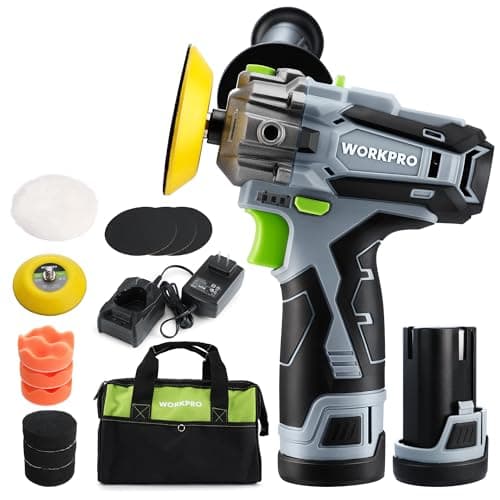
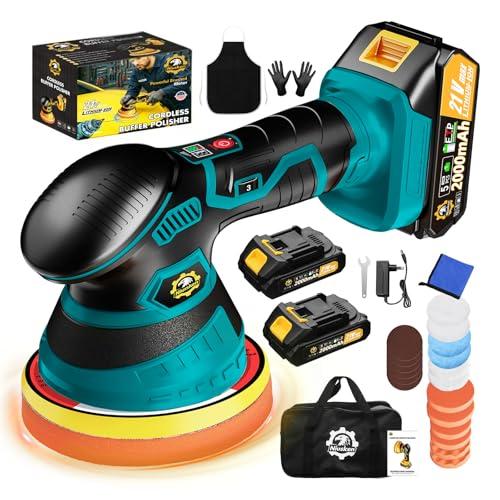
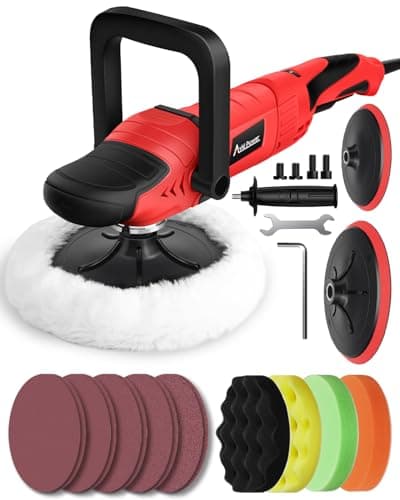
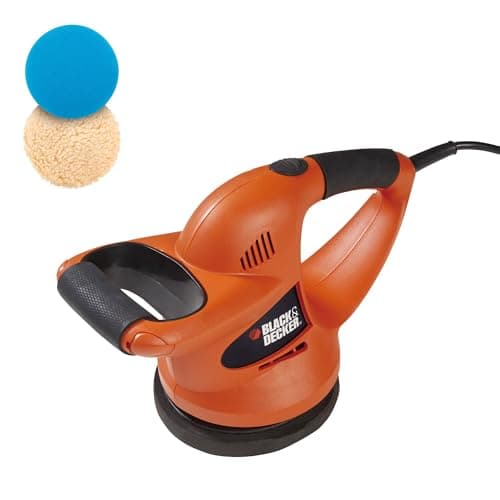
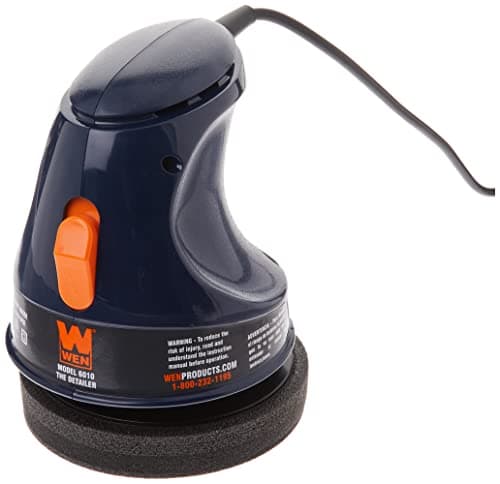
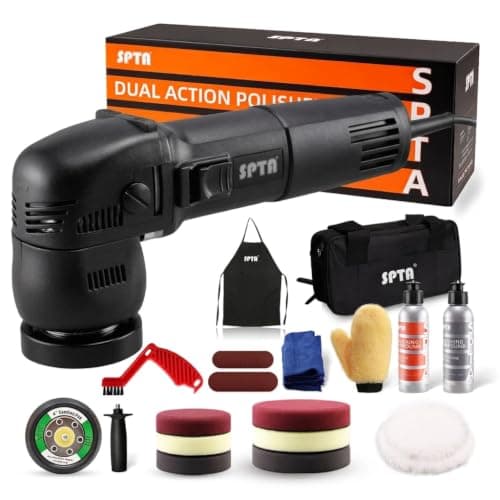
The SPTA 3-Inch Mini Orbital is the best car polisher under $100 for most people — a corded 3-inch dual-action with a 10 mm throw, a 780 W motor and the pads already in the case, which makes it the only tool in this band that corrects defects properly rather than approximately. The budget pick is the WEN 6010 at the bottom of the page: it is the cheapest powered tool here that still does a job worth doing, but the job is applying and buffing wax, not removing swirls. Every price below comes from the live price layer, and every machine on this page was under $100 as of November 23, 2026.
That split is the whole reason this page exists. Search for a cheap car polisher and you are shown two completely different kinds of machine under the same word. One kind has a real dual-action backing plate and takes standard foam pads; it can remove swirls. The other has a spindle and a stretchy bonnet; it can make wax easier to apply and it will never correct anything. Both are called polishers. Only one of them is what you probably wanted.
What under $100 actually buys
Three things, and you have to pick which one matters.
A small corrective tool. The 3-inch dual-actions — corded or cordless — have real orbits and take real pads. They correct paint as well as anything, just very slowly, because a 3-inch pad covers a fraction of a 5.5-inch pad's area. On a whole car that is punishing. On a hood, a bumper, a set of headlights or a motorcycle tank it is genuinely the right tool.
Raw cutting power, with a warning attached. A budget rotary buys real motor wattage and four pads for well under the band, and on heavily oxidised single-stage paint it will cut where nothing else here can. A rotary has no stall protection, so on thin modern clear coat the same power is how people burn through to primer. We rank it, and we rank it below the dual-actions for that reason.
Wax application. The orbital waxers are the cheapest things here and the safest things here, and they remove the arm-ache from waxing a whole car. They correct nothing at all. If your paint is already good and you simply hate hand-buffing, this is money well spent and you can stop reading.
How we ranked them
Correction ability first. Can it remove a defect? The tools that can rank above the tools that cannot, regardless of price, because the search almost always comes from someone looking at swirls.
Beginner safety second. Stall-protected dual action beats direct drive, and direct drive beats rotary. On a first machine this matters more than power.
What is in the box. At this price a bare tool is a false economy — pads, plates and a battery are a second order that can cost as much as the machine.
Value. Cost against what it genuinely does, not against what the listing implies. We run no lab; how we research says exactly what the scores are built from.
The honest advice about this band
If your plan is to correct a whole car, the under-$100 band is the wrong place to shop and the extra money is the cheapest part of the project. A full-size dual action with a 5.5 or 6-inch pad finishes a car in an afternoon; a 3-inch tool takes a weekend and three times the pads. Our best car polisher under $200 page is the tier where whole-car correction starts, and best for the money covers the value argument across the whole range.
Where this band is genuinely the right answer: a second tool for the tight panels a big machine cannot reach, a dedicated headlight and trim tool, or a first powered tool for someone who wants to stop waxing by hand. All three are real reasons to spend under a hundred dollars on purpose rather than by accident.
One more thing worth knowing before you buy: the machine is rarely the limiting factor. Pads and abrasives decide how a correction turns out, and they are a separate budget. A cheap machine with the right compound and a decent pad beats an expensive machine with the wrong ones every time.
And if a hundred dollars is still more than this purchase is worth to you, the band below is a real place with real tools in it — it is just a band of wax applicators rather than correctors, and best car polisher under $50 is explicit about which of them do what.
Buying a sub-$100 machine without regret
Decide whether you need correction or application
Look at the paint in direct sun. If you can see fine circular scratches, you need a corrective tool and a waxer will disappoint you. If the paint looks good and you just want protection on faster, a waxer is the better buy and half the price. How to remove swirl marks shows what correction actually involves.
Check what pads it takes before you buy it
A tool with a proprietary bonnet or a non-standard plate thread locks you into whatever the seller stocks. Standard 3-inch and 5-inch hook-and-loop plates have a huge aftermarket; anything else does not. This is the single biggest hidden cost in the budget band.
Avoid a rotary as a first machine
The cutting power is real and so is the risk. A rotary keeps spinning when the pad binds, which means heat builds in one spot, and modern clear coat is thin. If you want serious cut on a budget, buy the dual action and a more aggressive compound instead. Dual action vs rotary explains the mechanism.
Budget for pads separately
Two cutting pads and two finishing pads is the realistic minimum, and on a 3-inch machine you will go through them faster than on a full-size tool. Plan on roughly the price of the machine again in consumables for a first correction.
Cordless is a convenience, not a capability
A 12 V cordless mini is excellent for mirror caps, badges and headlights, where a cable genuinely gets in the way. It is not a whole-car tool: battery runtime and torque both run out. If the car is the job, buy corded.
Use it on the right jobs and it is a bargain
A small machine is the best tool on the site for headlight restoration, for a motorcycle tank, and for the pillars and returns a 5.5-inch pad cannot sit flat on. Bought for those jobs, nothing here is a compromise.