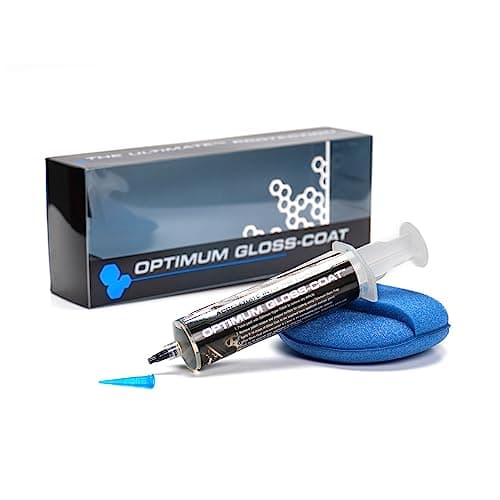
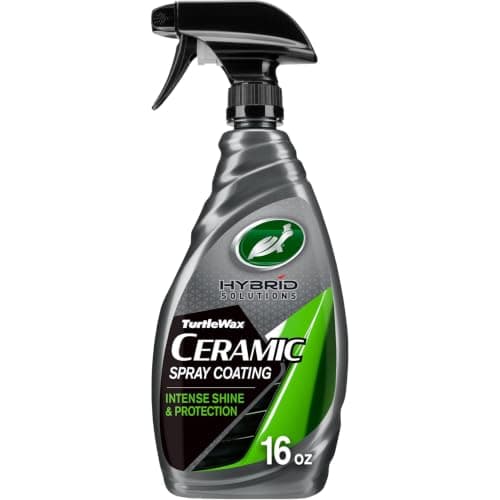
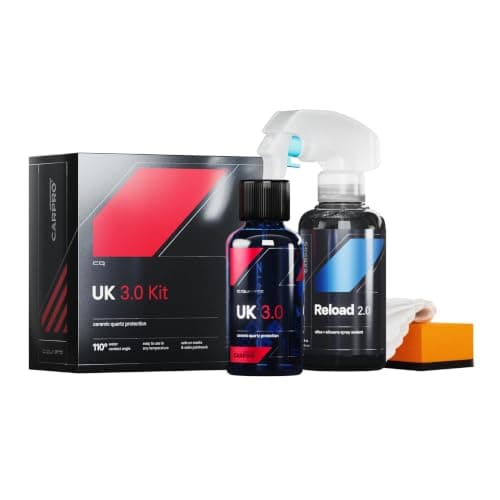
CarPro CQuartz UK 3.0 is the best ceramic coating for a truck if you are coating it yourself and want years rather than months — a real SiO2 quartz coating reformulated to cure in cooler, humid conditions, which matters a great deal when the vehicle is too big to fit in a heated garage. The budget pick is Turtle Wax Hybrid Solutions Ceramic Spray, cheap enough that spraying down a full-size pickup after every wash is not a financial decision. If you want the best cost per vehicle, Optimum Gloss-Coat is sold in a kit Optimum sizes for two vehicles. Prices come from the live price layer, as of November 23, 2026.
The three things that genuinely change when the vehicle is a truck are coverage, plastic, and the lower third. Everything else about coating a truck is the same job as coating a car, and our best ceramic coating for cars picks still apply to the paint itself.
Coverage: do the arithmetic before you buy one bottle
Coating bottles are sold in 30 mL and 50 mL sizes because that is roughly what a sedan takes. A crew-cab pickup has far more painted area — two more doors, a bed, a tailgate, long box sides and a much taller roof. The single most common mistake is buying one 30 mL bottle, running dry at the tailgate, and leaving a panel uncoated for a fortnight while a second bottle ships.
Two makers publish numbers you can plan against. Gyeon states 15 to 25 mL per car, which tells you a 30 mL bottle has very little margin on anything larger. Optimum sells Gloss-Coat as a 20 cc kit and explicitly describes it as a two-vehicle kit, which is the most useful published figure in this category — on one truck, that is a comfortable single-vehicle amount rather than a gamble. CarPro's CQuartz UK goes a long way per panel but publishes no per-vehicle consumption we can quote, so buy the larger kit.
The sprays sidestep the problem entirely. A 15 or 16 oz bottle of graphene spray covers a pickup several times over, which is why the spray options on this page rank well here despite claiming months rather than years.
Plastic: a truck has a lot of it, and paint coating is not for it
Bumper caps, fender flares, bed rails, mirror housings, the plastic bed liner lip and the step bars are all unpainted textured plastic, and that is a different surface with a different failure mode: it fades grey rather than losing gloss.
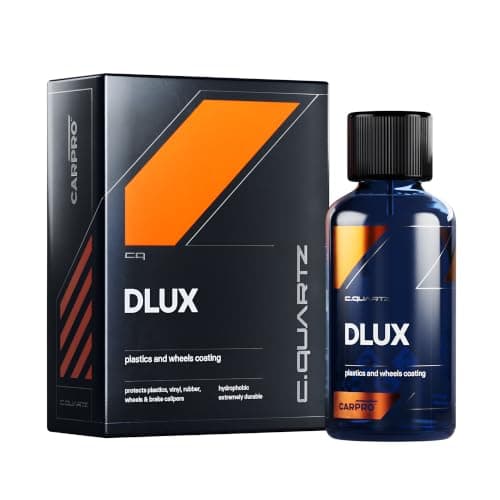
Two picks here are rated for it. Optimum lists paint, wheels, plastic trim, bumpers, aluminium and chrome as approved surfaces for Gloss-Coat — but explicitly not glass, so a truck windshield needs a separate product from best windshield coating. CarPro's DLUX is the dedicated answer: a solvent-based SiO2 layer built for brake-caliper heat on wheels that also restores and protects faded exterior plastic, which on a truck is a lot of square footage for one 30 mL bottle.
The lower third: be realistic about gravel
A coating is a chemical-resistance and hydrophobic layer a few microns thick. It does not stop a stone. On a truck that sees unpaved roads, the rocker panels and the leading edge of the bed will chip whatever you put on them, and no product on this page changes that — only film does, which is what ceramic coating vs PPF covers.
What a coating does buy on those panels is release. Mud, road film, tar and winter salt come off a coated rocker with far less agitation, and less agitation is less marring. That is the honest case for coating the bottom of a truck: not protection from impact, but a much easier wash.
How we ranked them
Coverage per bottle at truck surface area — weighted highest, because running out mid-vehicle is the failure mode unique to this size.
Approved surfaces — how much of a truck one bottle legitimately covers: paint only, or paint plus trim, wheels and bumpers.
Cure tolerance — a truck often will not fit indoors, so a coating that needs twelve dry hours out of direct sun is a harder commitment than one that does not.
Durability per dollar. We run no lab and have measured none of these ourselves; how we research sets out what the scores are built from, and every durability figure above is attributed to the maker that published it.
One caveat on all of the above if your vehicle is larger than a sedan: the bottle sizes here are sized for a car, and a crew-cab pickup has close to double the painted area. Best ceramic coating for trucks does the coverage arithmetic and adds the plastic-trim and bed-rail picks.
The DIY side of that comparison is cheaper than most people assume — best ceramic coating under $100 ranks six coatings under that line on live checked prices, and best ceramic coating for trucks covers what changes when the vehicle is bigger.
Several of these pro-tier coatings cost less than people expect. Best ceramic coating under $100 ranks the ones that sit under that line on live checked prices, including two from this page.
Both sides of this comparison are available for well under a hundred dollars, which is how the two end up being shopped against each other in the first place — best ceramic coating under $100 ranks them side by side with the prices checked.
Coating a truck without regretting it
Buy by volume, not by brand
Work out the painted area honestly — a crew cab with a 6-foot box is close to double a mid-size sedan — and buy accordingly. A two-vehicle kit used on one truck is the right amount, not an extravagance.
Correct the paint first, or you lock the defects in
A coating is optically clear and permanent for years. Whatever swirls are in the paint when you coat it are in the paint until the coating comes off. How to polish a car before ceramic coating is the order of operations, and on a truck it is a long day — plan two.
Decontaminate the bed rails and rockers properly
The dirtiest panels get the least attention and bond the worst. Iron fallout on the lower third of a truck is heavy; iron remover then clay then a panel wipe, with no shortcuts, or the coating fails first exactly where you most wanted it.
Watch the weather window, not the clock
Gyeon says keep it dry and out of direct sun for the first 12 hours. If the truck lives outside, that is a forecast problem rather than a product problem. The humid-cure formulations and the sprays are far more forgiving of a driveway install.
Coat the wheels — on a truck it pays twice
Truck wheels are large, often painted, and collect brake dust and road grime in volume. A dedicated wheel-and-trim coating takes the wheels and the flares in the same session. Best ceramic coating for wheels covers that category properly.
Maintain it or it does not last
Every durability claim on this page assumes maintenance washing. On a truck, that means a pre-rinse before anything touches the paint and a dedicated maintenance routine — how to maintain a ceramic coating is the follow-through, and a rinseless wash is the easiest way to do it on a vehicle this size.