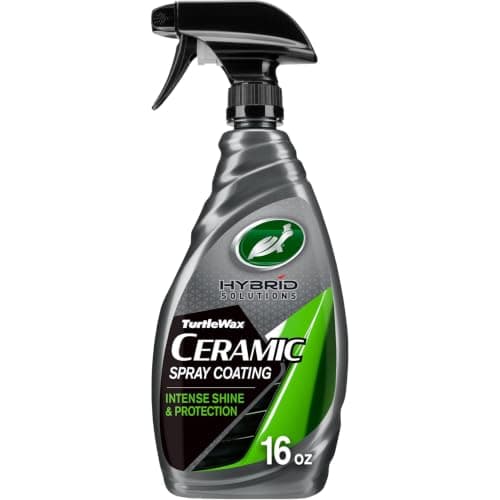
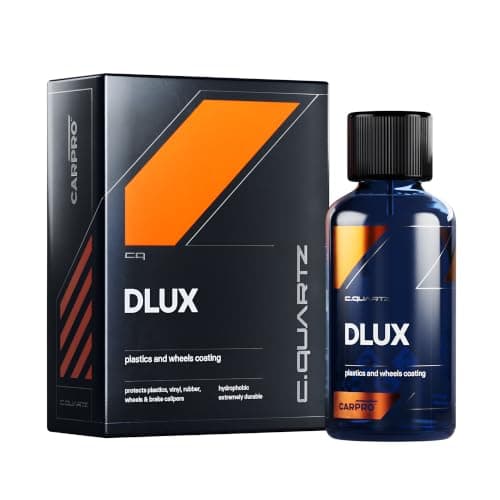
CarPro CQuartz DLUX is the best ceramic coating under $50 for most buyers — a genuinely bonded solvent-based SiO2 coating built for brake-caliper heat, which also does double duty on the plastic trim you were going to have to protect anyway. The budget pick is Turtle Wax Hybrid Solutions Ceramic Spray Coating, cheap enough to use after every wash, which is the whole point of a maintenance ceramic. Every product on this page was under $50 with a live Amazon price as of November 23, 2026.
This band needs a straight answer before a ranking, because the category sells the opposite one hard. Under fifty dollars you cannot buy a multi-year ceramic coating for paint.The retail coatings that genuinely cure into a sacrificial layer on a painted panel — Optimum Gloss-Coat, Gtechniq Crystal Serum Light, Gyeon Mohs EVO, CarPro CQuartz UK 3.0 — all start above this line, and our under $100 page is where they live.
What is actually under fifty dollars is more interesting than "cheap versions of those," which is why this page exists. Two of the six picks below are real bonded coatings with multi-year maker claims. They are simply not for paint: one is a wheel and trim coating, one is a windshield coating. Those are two of the three surfaces on a car where a coating pays back fastest, because brake dust and water spotting are the two kinds of contamination that are hardest to remove by hand.
The other four are SiO2 and graphene sprays, which is the honest answer for paint in this band. They are genuinely good at what they do — real water behavior, real gloss, a surface that releases dirt — and they ask nothing of your technique or your garage temperature. What they do not do is last years. Makers' claims in this group run from a few months to 18, and our view, stated plainly on ceramic spray vs ceramic coating, is that a spray is a maintenance product rather than a protection decision.
How we ranked these
Real bonded coatings first, by surface.A product that cures into a hard layer and carries a multi-year maker claim is doing something categorically different from a product you wipe on after a wash, and under $50 only two of these do it. They go at the top even though neither of them protects paint, because they are the band's genuine answer to the question the page title asks.
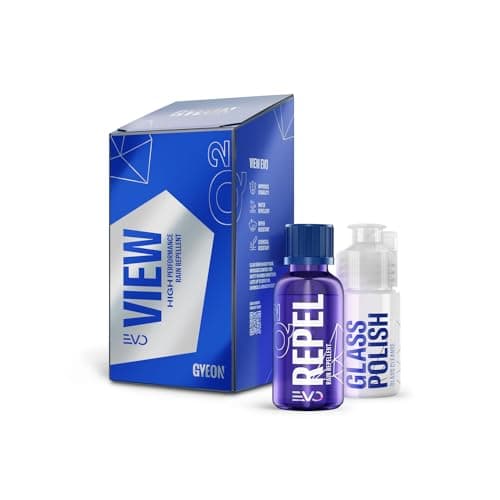
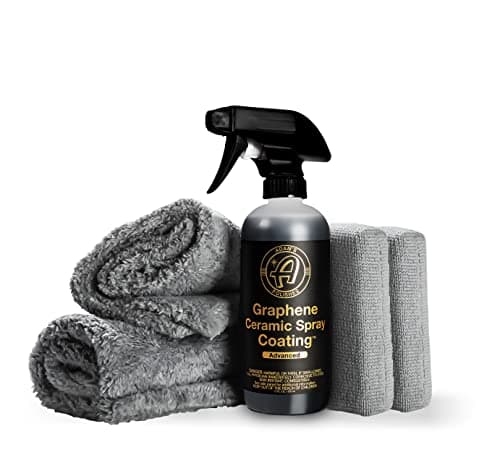
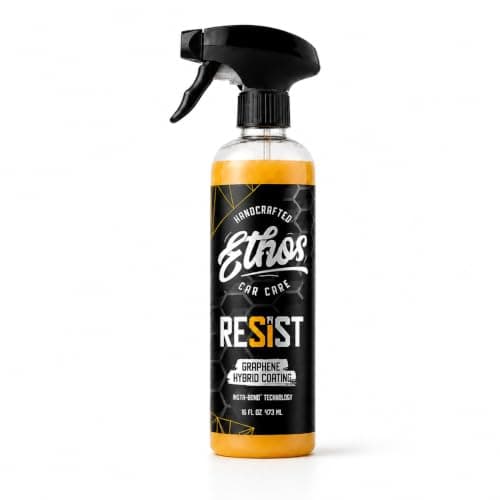
Then published durability, attributed.Gyeon rates View EVO at up to 24 months on a windshield and up to 36 on side glass. 303 rates its graphene spray at up to 12 months. Adam's claims 18-plus months for its graphene spray. Ethos rates RESIST at 6-plus months standing alone. Those are maker figures, not ours, and they are the only durability numbers anyone can honestly quote.
Then cost per application rather than cost per bottle. A 16 oz spray that does a car eight times is cheaper per use than a 30 mL coating that does it once, and in a price-capped band that arithmetic is the whole decision for some buyers.
Then headroom under the line.Five of these six sit well under the cap. One — the Adam's graphene spray — sits within a dollar of it, and if it moves above $50 between price refreshes the band claim on this page no longer covers it. The page says so rather than hiding it.
Where $50 buys the most protection per dollar
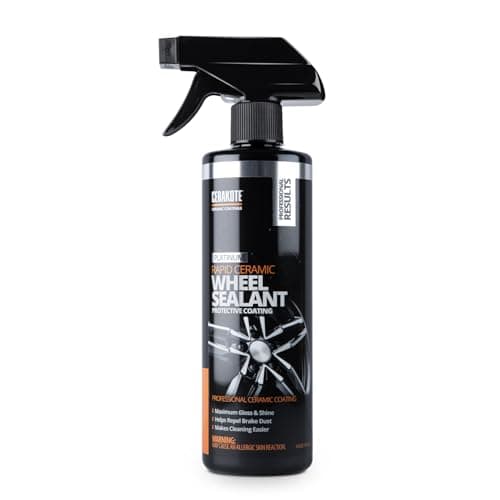
Wheels. Brake dust is hot iron particles embedded into whatever they land on. A coated wheel releases them with a rinse; an uncoated wheel needs a dedicated acid or iron remover every few weeks. This is the highest-return coating on a car and it costs under fifty dollars. See best ceramic coating for wheels for the full category and iron removers for wheels for what you stop buying.
Glass. A coated windshield sheds rain above roughly 45 mph without wipers and stops mineral deposits etching in. It is also the easiest install on the car: one flat panel, no curves, no trim to tape. Our windshield coating picks rank the category properly.
Trim. Faded black plastic is one of the most visible signs of age on an otherwise clean car, and a trim-capable coating prevents rather than disguises it. See best trim restorer for the repair side of the same problem.
Paint, with realistic expectations. An SiO2 or graphene spray on paint buys you months of easy washing and good water behavior for about twenty dollars and twenty minutes. Judged as that, it is excellent value. Judged as a coating, it will disappoint.
How to spend fifty dollars well in this category
Do not split it across surfaces
The common mistake is buying one cheap spray and using it everywhere. Wheels, glass and paint have different requirements — heat, optical clarity, and gloss respectively — and a single all-surface spray is a compromise on all three. If fifty dollars is the budget, pick the surface that annoys you most and buy the right product for it.
Coat the wheels off the car if you can
A wheel coating applied with the wheels on reaches the face and nothing else, and the barrel is where the brake dust actually collects. Thirty minutes with a jack doubles the value of the bottle. The spray sealant on this page exists precisely for people who will not do that, and it is an honest trade rather than a worse product.
Glass has to be genuinely clean first
More glass coatings fail from contaminated glass than from bad chemistry. Clay the windshield, then use a dedicated glass polish or a mild compound on the wiper-sweep area, then an alcohol wipe. If the coating goes onto a film of old rain repellent and road grime, it bonds to that. Best car glass cleaner covers the maintenance product afterwards.
Spray coatings need a clean, dry, bare surface too
They are forgiving about technique, not about prep. A spray applied over an old carnauba will sit on the wax and leave with it. If the car has been waxed, a stripping wash first costs nothing and roughly doubles how long the spray lasts.
Stack them in the right order
If you buy two products in this band, the correct order is the durable one first and the spray as its topper — coating the wheels, say, and spraying the paint. Spraying over a curing coating in the first 24 hours is the one combination to avoid.
What we deliberately left out of this band
Cheap "9H" bottled coatings. The hardness number on these refers to a pencil-hardness scale that has no agreed automotive meaning, and the products we could find under this line that market themselves that way did not publish a cure window, a coverage figure or a durability claim we could attribute. We do not rank what we cannot source.
Anything we could not confirm had a live offer. Every pick above had a live Amazon price at the as-of date stamped on this page. Where the price layer shows no offer, we show no number rather than a stale one.
Spray waxes marketed as ceramic. Several bottles in this price range contain enough SiO2 to put the word on the label and behave like a spray wax. Where a product is a spray wax, our spray wax page ranks it as one.